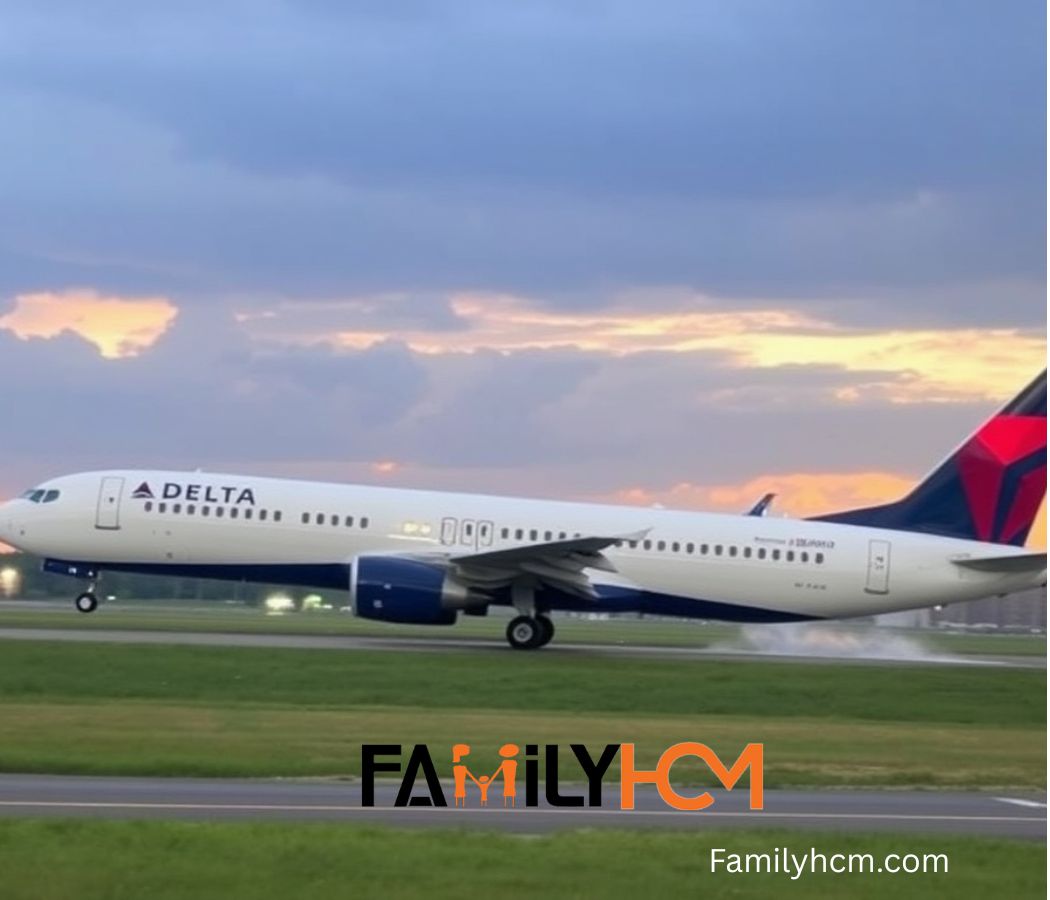
Delta Connection DL3543 Emergency Landing: Aviation often earns the title of the safest mode of transportation, but when an emergency occurs mid-flight—even one that ends without injury—it sends ripples through the industry and leaves passengers rattled. On July 6, 2025, Delta Connection Flight DL3543 captured the industry’s attention after the crew made an urgent return to Minneapolis just ten minutes into the journey.
What started as a routine short-haul flight turned into a scene of suspense, a technical success story, and a stark reminder of the vulnerabilities in regional air travel. Here is everything you need to know about the incident, the aftermath, and what it means for travelers.
Table of Contents
ToggleWhat Happened to Flight DL3543?
Flight DL3543 was a scheduled Delta Connection service operated by Endeavor Air, a regional subsidiary of Delta Air Lines. The aircraft, a sleek Embraer 170-200LR (tail number N259SY), departed from Minneapolis-Saint Paul International Airport (MSP) at 13:09 UTC, bound for Chicago Midway International Airport (MDW).
The flight was supposed to be a short, uneventful hop connecting two major Midwest hubs. However, barely ten minutes into the climb, the situation changed dramatically.
-
Altitude: The aircraft had reached approximately 21,000 feet when the crew halted the ascent.
-
The Signal: Without hesitation, the pilots squawked the universal emergency code 7700, indicating a general emergency that requires immediate priority from air traffic control.
-
The Diversion: The crew executed a swift turn, navigating the aircraft back toward Minneapolis.
Despite the urgency, the outcome was textbook aviation safety. Just 37 minutes after takeoff, Flight DL3543 landed safely on Runway 12R at Minneapolis-Saint Paul. It quickly taxied to stand C12, where passengers disembarked. While undoubtedly shaken, no injuries were reported among those on board.
The Technical Details: Aircraft and Cause
The aircraft involved, an Embraer 170-200LR, is a workhorse of regional aviation, often used for medium-density routes. While the specific technical reason for the emergency landing remains under investigation, aviation protocols dictate that any anomaly—even a suspected technical glitch—requires an immediate safety response.
According to reports surrounding the same date, technical malfunctions were a theme across multiple airlines. While United Airlines faced a cooling system issue on a Boeing 787, Delta’s DL3543 was reported to have experienced an engine issue shortly after departure, prompting the crew to err on the side of caution and return.
For Delta Connection and its parent company, maintaining airworthiness is paramount. Consequently, the aircraft was pulled from service for thorough inspection following the safe landing.
A Microcosm of Regional Air Travel Vulnerabilities
While major international flights often grab headlines, regional routes like Minneapolis-Chicago are the lifeblood of domestic travel networks. They connect business travelers and supply chains. The disruption of Flight DL3543 highlights how fragile these operations can be.
The Ripple Effect
An emergency return isn’t just a logistical hiccup; it triggers a cascade of consequences:
-
Schedule Changes: Other aircraft and crew assignments must be restructured.
-
Economic Cost: Fuel is burned for a journey cut short, and crews risk timing out under federal duty limits, leading to substitutions and delays for subsequent flights.
-
Reputational Risk: In an industry where reputation is currency, an emergency return is a public relations flashpoint.
Passenger Confidence Under Strain
In the age of social media, the emotional toll of such events is amplified. Passengers on DL3543 experienced a sudden shift from routine travel to fear as alarms sounded and the aircraft turned back.
Even though the crew acted swiftly and professionally, the uncertainty lingers. Modern travelers are more vocal than ever; a single incident can spark a surge of online commentary, amplifying concerns about airline safety and aircraft reliability. Airlines today face the dual challenge of restoring operational normalcy while calming traveler fears through transparency and rapid communication.
What Passengers Can Learn From This Incident
If you find yourself on a flight that declares an emergency or diverts, follow these steps to handle the situation effectively:
Stay Updated: Check your flight status using the airline’s app before heading to the airport, especially if weather or technical issues have appeared in the system.
Know Your Rights: Significant disruptions often entitle passengers to meal vouchers, accommodation, or rebooking options. In this case, Delta rescheduled passengers onto other aircraft.
Plan a Backup: If possible, book flights with longer connections if you have tight business appointments. A delay on a regional route can cause a domino effect on your travel plans.
Remain Calm: Trust the crew. The fact that the aircraft landed safely within 37 minutes is a testament to rigorous training and safety protocols.
Conclusion: Delta Connection DL3543 Emergency Landing
The Delta Connection Flight DL3543 incident serves as a stark reminder that safety always comes first. While the emergency disrupted travel and tested passenger confidence, the outcome highlights the effectiveness of modern aviation safety procedures.
For the travel industry, restoring trust is critical. Passengers need to believe not only in the safety of each flight but also in the airline’s ability to handle disruptions with grace and transparency.
As the summer travel season surges forward, all eyes will be on how airlines manage operational performance. One flight’s emergency landing may seem like a solitary story, but in the interconnected world of modern air travel, its reverberations echo far and wide—pushing airlines to combine technological reliability with seamless crisis management to ensure disruptions are rare and swiftly addressed.
Frequently Asked Questions (FAQs)
1. What happened on Delta Connection Flight DL3543?
Delta Connection Flight DL3543, operated by Endeavor Air, departed Minneapolis–Saint Paul International Airport (MSP) bound for Chicago Midway (MDW) on July 6, 2025. Approximately ten minutes after takeoff, the crew reported a possible engine issue, halted the climb at 21,000 feet, squawked 7700 (emergency code), and returned safely to Minneapolis.
2. Was anyone injured?
No. All passengers and crew members disembarked safely without any reported injuries.
3. What type of aircraft was involved?
The flight was operated on an Embraer 170-200LR (registration N259SY), a regional jet commonly used for short- to medium-haul routes.
4. Why did the flight turn back?
While the exact cause is under investigation, the crew declared an emergency due to a suspected technical issue—reported in some sources as a possible engine anomaly. The pilots followed standard safety procedures by returning to the departure airport.
5. How long was the flight in the air?
The flight took off at 13:09 UTC and landed back in Minneapolis approximately 37 minutes later.
6. Did passengers receive compensation or rebooking?
Delta Air Lines and Endeavor Air rebooked affected passengers on alternative flights. Depending on the delay length and individual circumstances, passengers may have been eligible for meal vouchers, hotel accommodations, or compensation in line with Delta’s customer service policy.
7. Is this type of emergency landing common?
Emergency landings are rare relative to the total number of flights. When they do occur, they are almost always precautionary—crews are trained to prioritize safety at the first sign of any abnormality.
8. What is Delta Connection?
Delta Connection is a brand used by Delta Air Lines for regional flights operated by partner carriers such as Endeavor Air, Republic Airways, and SkyWest. These flights typically use smaller jets and serve shorter routes.
9. Where can I find updates about the investigation?
The FAA and Delta Air Lines are reviewing the incident. Official updates are typically posted on the FAA’s website or through Delta’s newsroom.
10. Should I be concerned about flying on regional jets?
No. Regional jets like the Embraer E170 series undergo the same rigorous maintenance and safety standards as larger airliners. This incident, while unsettling, ultimately demonstrated how safety systems and crew training work effectively.
Stay tuned for updates as the FAA and Delta officials conclude their investigation into the specific cause of the engine issue on DL3543.