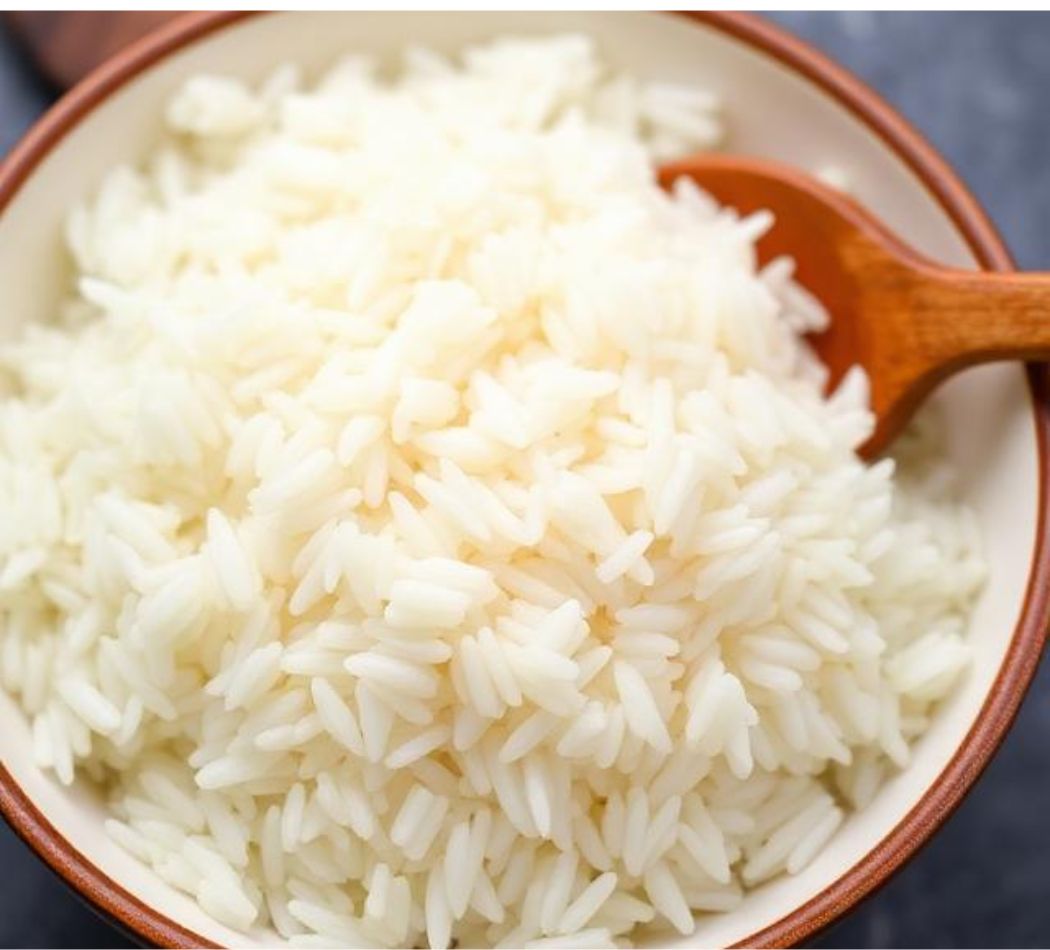
Have you ever stood in the grocery aisle, staring at the wall of rice options, and wondered: does it really matter which one I choose? The answer is a resounding yes. Over 3 billion people consume rice daily, making it a cornerstone of global cuisine. At the heart of this staple lies long grain white rice—the versatile, fluffy, and forgiving grain that has found its way into kitchens across the globe.
But here’s the thing: something so simple often holds the most complexity. What makes long grain white rice the go-to for fluffy pilafs and perfect side dishes? Is it a healthy choice? And does the “white” designation mean it’s been stripped of all nutritional value? In this comprehensive guide, I’m peeling back the husk of this everyday staple to reveal the insights that most articles miss. We’ll journey from its genetic identity to global market trends, and I’ll share the proven techniques to ensure your rice turns out perfect every single time.
Background and Context: Understanding the Grain
What Exactly Is Long Grain White Rice?
All rice is classified into three basic categories based on its length-to-width ratio. Long grain rice is distinguished by its slender, elongated kernel, which is four to five times longer than it is wide. This characteristic is crucial because it dictates how the rice cooks—long-grain rice is light, dry, and produces distinct, separate grains that don’t clump together.
The term “white rice” refers to the milling process. White rice has had its brown hull, bran, and germ removed. This process, while creating a milder flavor and extending shelf life, also removes the fiber and many nutrients found in whole-grain brown rice. However, in many countries, white rice is enriched with iron and B vitamins like folic acid to compensate for this loss.
The Scientific Divide: Indica vs. Japonica
Here’s a nuance most guides miss. All rice belongs to the species Oryza sativa, but it has two major subspecies: Indica and Japonica. Long grain white rice, including varieties like basmati and jasmine, is predominantly Indica rice. This is more than a botanical distinction. Indica rice is characterized by its long, slender grains and a higher percentage of amylose, a type of starch that doesn’t gelatinize during cooking. This is the scientific secret behind why long-grain rice remains fluffy and separate. Japonica rice, conversely, is short to medium-grain, stickier, and used in dishes like sushi and risotto. The global rice market, valued in the hundreds of billions, even tracks these two categories separately due to their distinct consumer bases.
Key Sub-Varieties: The Stars of the Category
Long grain white rice isn’t a monolith. It’s the family name for an incredible range of grains:
-
Standard Long-Grain White Rice (e.g., IRRI-6): This is the everyday rice, widely cultivated for its affordability and versatility. It’s a staple in many households and is extensively used in bulk applications like catering. Popularly grown in Pakistan, India, and the US, its grains are firm, non-sticky, and absorb flavors well.
-
Basmati: Grown in the Himalayan foothills of India and Pakistan, basmati is revered for its popcorn-like aroma and long, slender grains that can expand to more than twice their length when cooked. It’s a drier, fluffier rice, making it the undisputed king of biryani and pilafs.
-
Jasmine (Thai Hom Mali): A fragrant variety from Thailand, jasmine rice has a sweet, nutty, and floral aroma. It has a softer, more tender texture than basmati and a slight natural stickiness, making it a perfect companion for curries and stir-fries.
In-Depth Analysis: The Good, The Grain, and The Gluten-Free
Nutritional Profile and Health Considerations
Long grain white rice is often misunderstood from a nutritional standpoint. It’s not an “empty calorie” food, but it’s also not a nutritional powerhouse on its own. Understanding its composition is key to incorporating it wisely into your diet.
Nutritional Breakdown (Per 1 cup cooked):
-
Calories: ~205
-
Carbohydrates: 28g net carbs
-
Protein: 4g
-
Fat: <1g
-
Fiber: Minimal (<1g)
The most significant health consideration is the Glycemic Index (GI) —a measure of how quickly a food raises blood sugar. The GI of long grain white rice is generally medium, typically around 56-60. This is considerably lower than short-grain white rice (which can be over 70) because the higher amylose content in long-grain rice slows digestion. For those managing diabetes, this makes long-grain white rice a better option, though portion control and pairing it with protein and fiber-rich vegetables is still crucial.
The Most Common Misconception: “White rice is bad for you.” The truth is, it serves a different purpose. Brown rice, with its retained bran and germ, is indeed higher in fiber, vitamins, and minerals. However, white rice is easier to digest, has a milder flavor, and is often the preferred choice for those with sensitive digestive systems or for dishes where you want the rice to be a neutral canvas for other flavors. The phytic acid in brown rice’s bran can also interfere with nutrient absorption, a factor that makes white rice a crucial source of accessible carbohydrates in many cultures.
The Global Market: Supply, Demand, and Trends in 2026
The humble grain is a significant player on the world stage. As of 2026, the global rice market is experiencing a period of dynamic change. According to the International Grains Council (IGC), global rice production is on the rise, driven by a record year of production and consumption. Key takeaways from the latest market projections include:
-
Production: Global output for 2025/26 is projected to expand to a new high of 538 million tonnes (milled basis), up from 534 million tonnes the previous year.
-
Trade: International trade is expected to reach a record 59 million tonnes in 2026, with strong demand from buyers in Asia and Africa. India is set to remain the dominant exporter.
-
Market Shifts: There are interesting shifts happening in the US. Analysts predict a significant reduction in long grain acreage in 2026—by as much as 20-30%—as farmers potentially switch to other crops. This could impact US exports and global pricing, which was seen in early 2026 with US quotes dropping to $550 per ton amid weaker sales to Latin America.
-
The Basmati Exception: It’s worth noting that premium varieties like basmati are traded separately from the “Non-Basmati” long-grain market. Indian basmati, for instance, commands a price of around Rs. 283/Kg ($340/Kg) in some markets, reflecting its high value and specific consumer demand.
This data shows that long grain white rice is more than a pantry staple; it’s a vital economic and geopolitical commodity.
Practical Tips: Master the Art of Cooking Long Grain White Rice
After years of trial and error, I can confidently say that perfect rice is more about technique than recipe. Here is the definitive guide to cooking it to perfection.
How to Cook Long Grain White Rice on the Stove
This is the gold-standard method for most home cooks. It’s reliable and produces fantastic results.
Ingredients:
-
1 cup long-grain white rice (I recommend jasmine, basmati, or standard long-grain)
-
1 3/4 cups water
-
1/4 tsp salt (optional, to taste)
Method:
-
Rinse the Rice (Crucial!): Place the rice in a fine-mesh strainer. Rinse under cold running water for about 30 seconds, swishing it around, until the water runs clear. This washes away excess surface starch, preventing the rice from becoming gummy or mushy.
-
Combine and Boil: In a medium saucepan (with a tight-fitting lid!), combine the rinsed, drained rice and the water. Add salt if desired. Bring to a boil over medium-high heat. As soon as it’s boiling, turn the heat down to the lowest possible setting.
-
Simmer and Steam: Cover the pot and let it simmer for 18-20 minutes. Don’t lift the lid! Letting the steam escape will ruin the cooking process. The heat should be so low that only a few wisps of steam are visible.
-
The Resting Period (The Game Changer): This is the step 95% of recipes miss. After the simmer time is complete, turn off the heat entirely and leave the covered pot on the stove for 10 minutes. This allows the residual steam to evenly distribute moisture, making the rice perfectly fluffy.
-
Fluff and Serve: Remove the lid, and using a fork, gently fluff the rice to separate the grains. Serve immediately.
Alternative Cooking Methods
| Method | Ratio (Water:Rice) | Time (Approx.) | Notes |
|---|---|---|---|
| Instant Pot | 1:1 | 5 min high pressure, 10 min natural release | Rinse rice well. It’s a foolproof, set-and-forget method. |
| Rice Cooker | 1:1 | Varies by model | Follow the manufacturer’s instructions and use the markings on the pot. |
| Oven-Baked | 1.75:1 | 25 min at 375°F, 5 min rest | Excellent for cooking large quantities at once. |
| Pasta Method (Boil & Drain) | 4:1 | 10-15 min | Boil rice like pasta, drain, then let it steam. Produces very distinct grains. |
Common Mistakes and How to Avoid Them
-
Mistake: Mushy Rice.
-
Cause: Too much water or cooking it too long, often because it wasn’t rinsed.
-
Solution: Stick to the 1:1.75 ratio and set a timer.
-
-
Mistake: Crunchy Rice.
-
Cause: Not enough liquid or you didn’t let it rest.
-
Solution: The 10-minute rest often fixes it. If it’s still crunchy, add 2 tablespoons of water, cover, and cook on low for 5 more minutes.
-
-
Mistake: Sticking and Burning.
-
Cause: Heat was too high, or you have a bad pot.
-
Solution: The heat on the burner should be the lowest setting once it boils. A heavy-bottomed pot with a well-fitting lid is non-negotiable.
-
The Future of Long Grain White Rice
Looking ahead, long grain white rice will continue to be essential. Global demand is rising due to population growth, especially in Asia and Africa. We’re also seeing an increased focus on climate-resilient varieties and sustainable farming practices. The 2026 data suggests a potential production challenge, which may push up prices and encourage further innovation in farming. For the consumer, the future likely means more premium options, more transparent sourcing, and an even deeper appreciation for this ancient, essential grain.
Conclusion: Key Takeaways
Long grain white rice is a testament to the beauty of simplicity done right. It’s a global staple that, with a little knowledge, can be elevated to a centerpiece of delicious and nourishing meals.
-
It’s All About the Starch: The long, slender grain and high amylose content make it cook up light and fluffy.
-
Rinsing is Non-Negotiable: It washes away excess starch for perfect grains.
-
Rest Your Rice: The 10-minute, off-heat rest is the secret to that fluff you get from restaurants.
-
Health-Conscious Choice: It has a medium glycemic index, making it a better option for blood sugar management than shorter-grain rices when consumed in moderation.
-
A Global Commodity: The rice market is a dynamic, multi-billion dollar industry, and understanding its trends adds a new layer of appreciation for the bag in your pantry.
Frequently Asked Questions (FAQs)
1. Should I rinse long grain white rice before cooking?
Yes. Rinsing removes excess starch, leading to fluffier, less sticky rice. It’s a crucial step for optimal results.
2. What is the ideal water-to-rice ratio for long grain white rice?
The classic ratio is 1 cup of rice to 1 ¾ cups of water if you rinse the rice. If you don’t rinse it, use 2 cups of water.
3. Is long grain white rice healthy?
>It is a good source of energy (carbohydrates) and is low in fat. Thanks to its medium glycemic index of roughly 56–60, long grain white rice can be part of a blood-sugar-friendly diet, especially since it’s often enriched with iron and B vitamins for added nutritional value.
4. What is the difference between basmati and jasmine rice?
Both are aromatic long-grain rices. Basmati is drier, fluffier, and has a nutty, popcorn-like aroma. Jasmine is softer, slightly stickier, and has a floral, sweet fragrance.
5. How long can I store long grain white rice?
White rice has a very long shelf life due to the removal of the bran, which contains oils that can go rancid. Stored in an airtight container in a cool, dry place, it can last indefinitely, though best quality is within 2 years. Jasmine rice is best consumed fresh to preserve its fragrance.
6. Why is my rice always mushy?
Mushy rice is usually the result of using too much water, not rinsing the rice, or stirring it too much while cooking.
7. Can I cook long grain white rice without a measuring cup?
Yes! The “pasta method” uses a ratio of about 1 part rice to 4 parts water. Cook the rice in a large pot of boiling water (like pasta) until tender, then drain and let it steam for 10 minutes.
8. Is white rice gluten-free?
Yes, all rice, including long grain white rice, is naturally gluten-free, making it a staple for those with celiac disease or gluten sensitivity.
Sources and References
-
FoodStruct. “Rice nutrition: calories, carbs, GI, protein, fiber, fats.”
-
International Grains Council. Statement by the International Grains Council, 111th meeting of the WTO Committee on Agriculture, March 2025.
-
Simply Recipes. “How to Cook Rice on the Stove.”
-
The Kitchn. “These Never-Fail Methods Deliver Perfectly Fluffy Long-Grain Rice Every Time.”
-
US Rice Producers Association. “Market Update: Size of 2026 Rice Crop Should Impact Market.”
-
Pakistan Trade Portal. “Long Grain White Rice IRRI 6.”
-
January AI. “Consider Your Portions: Long Grain White Rice’s GI Factor.”
-
HowStuffWorks. “What’s the Difference Between Basmati and Jasmine Rice?”
-
Lose It!. “Calories of One Bowl of Rice.”
-
WTO Documents Online. World Trade Organization Data.