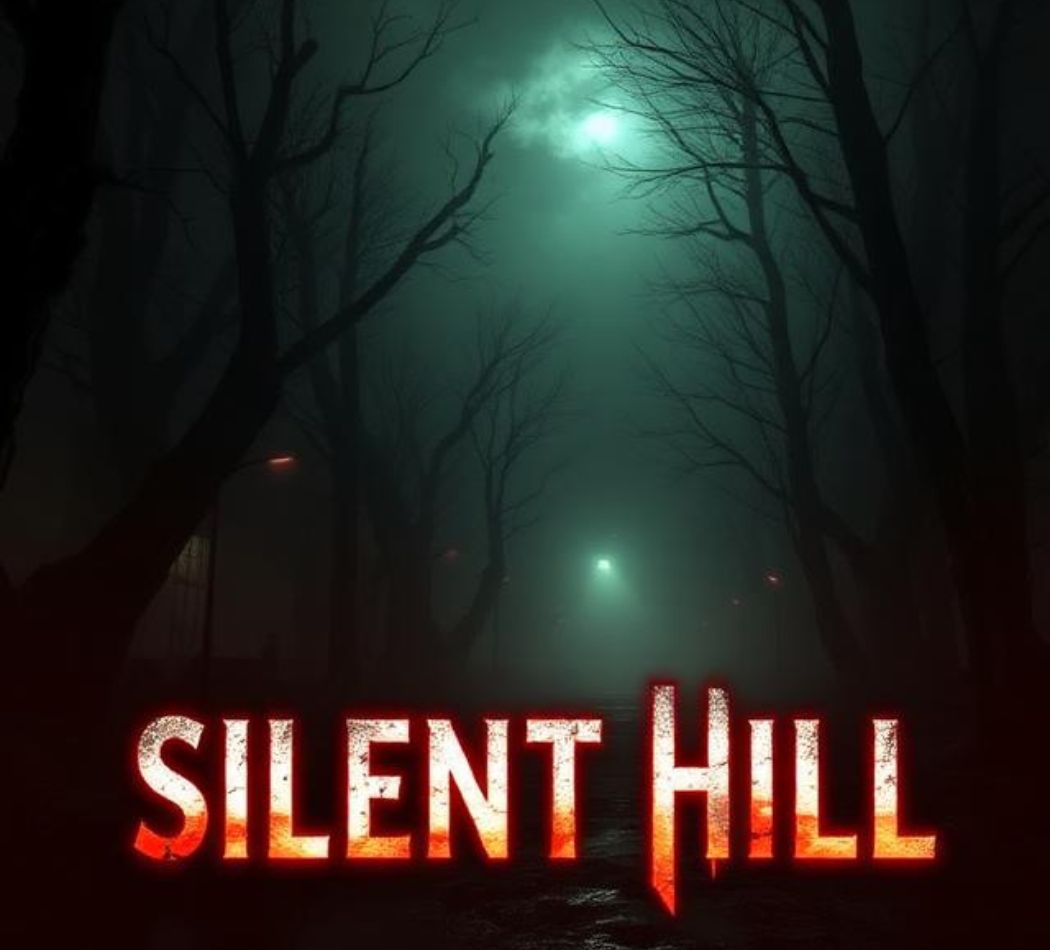
The fog rolls in, thick and suffocating. Your radio crackles with that familiar, terrifying static, and a shape stumbles out of the gloom. This is Silent Hill, but this time, you’re not just a player—you’re a scholar of fear, ready to understand the nightmare.
Table of Contents
ToggleIntroduction: More Than a Walkthrough, It’s a Descent into the Mind
For decades, the name “Silent Hill” has been synonymous not with jump scares, but with a deep, penetrating dread that lingers long after the screen goes dark. It’s a world of psychological horror where the true enemy isn’t the monsters, but the guilt, trauma, and repressed memories that shape them. Whether you’re a first-time visitor to the fog-drenched streets or a veteran seeking to uncover every last secret, this is your comprehensive Guia Silent Hill Geekzilla.
This guide isn’t about giving you a simple list of button presses. It’s a deep dive into the lore, the symbolism, and the mechanics that make this franchise a masterpiece. We will explore the town, analyze its tormented characters, and provide you with the strategies and insights needed to survive and, more importantly, to understand.
Part 1: Unraveling the Universe of Silent Hill
Silent Hill isn’t just a location; it’s a state of mind. To truly master the game, you first need to understand the rules of this twisted reality.
The Town Itself: A Psychological Mirror
Unlike other horror games where monsters are simply a threat to be eliminated, Silent Hill operates on a different principle. The town is a sentient force that acts as a psychological mirror, reflecting the inner demons of those who enter.
-
The Fog World: This is the perpetual state of the town. It’s a place of isolation, of denial. The thick fog obscures the truth just as the characters suppress their own traumatic memories.
-
The Otherworld: This is the nightmare realm. When the siren wails and the world shifts, you enter a place of rust, blood, and industrial decay. This represents a forced confrontation with the truth, where buried guilt manifests in its most grotesque form.
The Cult and Its Mythology
The town’s power is deeply rooted in the lore of “The Order,” a fanatical cult that worships a deity born from suffering. The story of Alessa Gillespie is central to this. As a child, she was used in a ritual by her mother, Dahlia, to birth their god. The horrific trauma and pain from this event are what originally twisted the town’s power, turning it into the nightmare we experience.
Part 2: Mastering the Gameplay: Survival is a State of Mind
The Guia Silent Hill Geekzilla philosophy is that gameplay mechanics are never random; they are designed to reinforce the feeling of vulnerability and tension.
Survival Strategies
Silent Hill is a survival horror game, and the emphasis is on “survival.”
-
Combat is a Last Resort: You are not an action hero. James Sunderland is a regular man, not a soldier. Conserve ammunition at all costs. Often, the smartest move is to avoid combat entirely. If you can run, do it.
-
Master Inventory Management: Your inventory is your lifeline. Prioritize health drinks and first aid kits. Save your ammunition for boss fights and situations where there is no escape.
-
Listen to the Static: Your radio is the most vital tool you have. The crackling static warns you of nearby monsters long before you can see them through the fog. Use it to orient yourself and avoid surprise attacks.
Iconic Monsters and Their Meanings
Every monster in Silent Hill exists for a reason. They are manifestations of the characters’ psychological state. Understanding this is key to the Guia Silent Hill Geekzilla experience.
| Monster | Symbolism | Representing |
|---|---|---|
| Pyramid Head | Guilt, punishment, and sexual repression. This executioner exists purely to torment James Sunderland for his actions. | James’s need for punishment for his “crime.” |
| Lying Figure | Suffocation and shame. These creatures are trapped in their own skin, representing a character’s feeling of being trapped by their emotions. | A general manifestation of repressed shame and suffering. |
| Bubble Head Nurses | Vulnerability and distorted desire. They are objects of fear and a perversion of the caretaker role, often seen in a state of aggression. | James’s fear of intimacy and guilt over Mary’s illness. |
Part 3: The Game-by-Game Breakdown
The franchise has evolved, but its core remains the same. Here’s your guide to the key entries.
The Masterpiece: Silent Hill 2
This is the psychological pinnacle. It’s not a direct sequel to the first game, making it the perfect entry point for new players. Follow James Sunderland as he searches for his dead wife in Silent Hill, only to find a world shaped by his own guilt.
Key Insights:
-
Thematic Depth: The game expertly explores the themes of guilt, self-deception, and the need for punishment.
-
Narrative Genius: The multiple endings aren’t based on simple choices but on how you play the game. Your actions reflect James’s mental state.
The Lore Continuation: Silent Hill 1 & 3
These games are more directly connected to the cult mythology of The Order.
-
Silent Hill (1999): The game that started it all. It follows Harry Mason’s desperate search for his daughter, Cheryl, and introduces the town’s terrifying secret.
-
Silent Hill 3 (2003): A direct sequel to the first game, following Heather Mason, who is the reincarnation of Alessa Gillespie.
The Experimental Entry: Silent Hill 4: The Room
This game is divisive among fans for its deviation from the formula. You are trapped in your apartment, and a hole in the wall leads to other “rooms” and worlds. It leans heavily into the theme of isolation, making it a unique and often underrated horror experience.
The Future is Now: Silent Hill f (2022)
The franchise is alive and evolving. The release of Silent Hill f in 2026 has proven the brand’s enduring appeal and ability to adapt. Set in 1960s Japan, it proves that a “Silent Hill” game doesn’t need the town itself to capture the series’ essence, but rather its emotional core: psychological terror.
Part 4: Advanced Tips: Puzzles, Endings, and Secrets
To be a true Geekzilla, you must learn to see beyond the surface.
Solving the Puzzles
Silent Hill puzzles are often cryptic, requiring attention to detail and lateral thinking.
-
Read Everything: This isn’t optional. Notes, memos, and diary entries are laden with clues that are crucial for solving puzzles and understanding the story.
-
Look for Thematic Consistency: A puzzle isn’t just a locked door; it’s a piece of the narrative. For example, the piano puzzle in the original game is linked to Alessa Gillespie’s memories.
Decoding the Endings
Your behavior shapes the conclusion of your journey. In Silent Hill 2:
-
“Leave” Ending: You’ve accepted your guilt and are ready to move on.
-
“In Water” Ending: You’ve succumbed to your despair.
-
“Rebirth” Ending: You are in complete denial.
-
The Dog Ending: A hilarious, secret ending available on New Game+, which is a classic Konami easter egg.
Conclusion: The Fog Never Truly Lifts
Mastering the Guia Silent Hill Geekzilla isn’t about “beating” a game. It’s about surviving an experience that changes you. Silent Hill stays with you not because it’s the scariest game, but because it’s the most honest. It holds a mirror up to the player and makes them question their own mind.
Key Takeaways
-
Silent Hill is a psychological mirror: The town reflects the character’s trauma and guilt. Understanding this is key to understanding the game.
-
Survival is about strategy, not firepower: Combat is a last resort. Master the art of inventory management and navigation.
-
Monsters are symbolic, not just threats: Each creature represents an internal conflict or fear.
-
Your actions matter: The game tracks your behavior, and subtle actions lead to different outcomes and story conclusions.
-
The future is bright: With Silent Hill f and other projects, the legacy of psychological horror is in good hands.
Frequently Asked Questions (FAQs)
What exactly is “Guia Silent Hill Geekzilla”?
It’s more than a simple walkthrough. It is a comprehensive, deep-dive guide into the Silent Hill series, focusing on psychological themes, lore, symbolism, and gameplay strategies, designed for both new and veteran fans.
Is Silent Hill a combat-heavy game?
No. Silent Hill is firmly rooted in survival horror and psychological tension, not action. Fighting is often optional and always a risk. The games reward caution, resource management, and awareness over brute force.
Do I need to play the games in order?
Not necessarily. While Silent Hill 1 and *3* are directly connected, Silent Hill 2 is a standalone masterpiece and the perfect starting point for newcomers.
Why are the monsters in Silent Hill so disturbing?
They are not random creatures; they are symbolic manifestations of the characters’ internal struggles, trauma, and guilt. This personal element makes the horror feel more profound and unsettling.
Is Silent Hill still relevant for new gamers in 2026?
Absolutely. The franchise’s focus on atmosphere, narrative, and psychological depth makes it an essential experience for anyone who values storytelling and mood in gaming. The recent release of Silent Hill f has also reinvigorated interest in the series for a new generation.