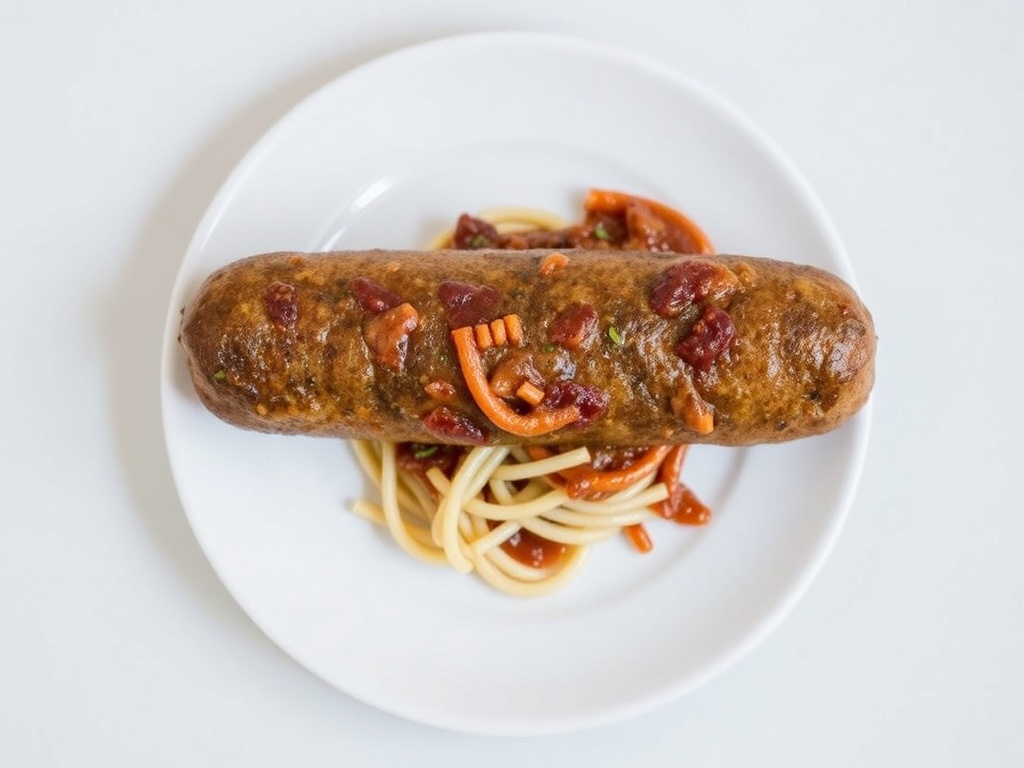
If you’ve ever heard a family member call for “mannacote” at the dinner table and wondered if it was a secret family recipe or just a slip of the tongue, you’re not alone. This hearty, cheesy, and sauce-drenched baked pasta is a beloved staple in many households, yet it remains a delicious mystery to others.
Is it a misspelling of manicotti? A regional dialect? Or something else entirely? In this ultimate guide, we’ll unwrap the secrets of mannacote, explore its Italian-American roots, and show you exactly how to make the perfect version in your own kitchen.
Table of Contents
ToggleWhat Is Mannacote? Unpacking the Name and the Dish
Let’s address the elephant in the room right away: mannacote is, in essence, the beloved Italian-American dish known as manicotti. The term is widely considered a phonetic, regional, or familial variation of “manicotti,” which translates to “little sleeves” in Italian.
However, language is fluid, especially in food. For many families in the Northeastern United States, “mannacote” is the only word they’ve ever used for this dish, passed down through generations from nonnas who brought their culinary traditions—and accents—from the Old Country. It’s a testament to how immigrant communities adapt and create new traditions.
So, while you won’t find “mannacote” in an Italian dictionary, you’ll find it at the heart of countless American dinner tables. It represents a rustic, oven-baked dish where large pasta tubes are stuffed with a creamy filling (usually ricotta-based), smothered in marinara sauce, covered with mozzarella, and baked until golden and bubbly.
Mannacote vs. The Classics: A Comparison
To truly understand mannacote, it helps to see how it stacks up against its Italian cousins. The table below breaks down the key differences.
| Feature | Mannacote (Manicotti) | Cannelloni |
|---|---|---|
| Origin | Italian-American; adapted by immigrants in the U.S. | Traditional Italian (especially Southern Italy) |
| Pasta Type | Large, ridged, pre-formed tubes (dried pasta) | Smooth, fresh pasta sheets rolled into tubes |
| Texture | Heartier and firmer; ridges help hold sauce | More delicate, soft, and tender |
| Typical Filling | Primarily ricotta, mozzarella, Parmesan, egg, and herbs | Often a mix of meats (beef/veal), spinach, or ricotta |
| Sauce | Classic marinara or tomato-based sauce | Béchamel (white sauce) or a rich meat ragù |
As you can see, mannacote is the practical, comforting American cousin to the more formal Italian cannelloni. It’s designed for convenience and big, satisfying flavor.
How to Make the Perfect Mannacote at Home
Ready to bring this comfort food classic to your kitchen? This recipe is designed for success, whether you’re a beginner or a seasoned pro.
Essential Ingredients
The beauty of mannacote lies in its simple, high-quality ingredients.
The Pasta Shells:
-
12 manicotti (manicotti) pasta tubes
-
Salt, for the pasta water
For the Classic Cheese Filling:
-
2 cups (15 oz) whole milk ricotta cheese, well-drained
-
1 ½ cups shredded low-moisture mozzarella cheese (plus more for topping)
-
½ cup grated Parmesan cheese (plus more for topping)
-
1 large egg, lightly beaten
-
2 tablespoons fresh parsley, finely chopped
-
Salt and black pepper, to taste
For the Sauce & Assembly:
-
3 cups of your favorite marinara sauce (homemade or store-bought)
-
1 tablespoon olive oil (for greasing the dish)
-
Fresh basil or parsley, for garnish (optional)
Step-by-Step Cooking Instructions
This method ensures your pasta is perfectly cooked, your filling is creamy, and your final dish is a showstopper.
Preheat & Prep: Heat oven to 375°F. Grease a 9×13-inch baking dish.
Cook Pasta: Boil salted water. Cook manicotti 5-6 minutes until al dente. Drain and lay on a parchment-lined sheet.
Make Filling: Mix ricotta, 1½ cups mozzarella, ½ cup Parmesan, egg, parsley, salt, and pepper until smooth.
Layer Sauce: Spread 1 cup marinara over the bottom of the dish.
Stuff Tubes: Transfer filling to a piping bag. Snip the tip, insert into each end of the tubes, and pipe gently until full.
Assemble: Arrange filled tubes in a single layer over the sauce. Top with remaining 2 cups marinara and sprinkle with extra mozzarella and Parmesan.
Bake: Cover with foil and bake 25 minutes. Remove foil and bake another 10-15 minutes until bubbly and golden.
Rest & Serve: Let rest 10 minutes before serving. Garnish with basil if desired.
Pro-Tips for the Best Mannacote
-
Use a Piping Bag: A spoon will tear the delicate pasta. A piping bag makes filling quick, clean, and damage-free.
-
Don’t Overboil: Remember, the pasta will continue to cook in the oven. Slightly undercooking it prevents it from becoming mushy.
-
Make it Ahead: You can assemble the entire dish (unbaked) up to 3 days in advance and keep it refrigerated. It’s also freezer-friendly for up to 2 months.
Delicious Variations to Make It Your Own
One of the best things about mannacote is its versatility. Once you’ve mastered the classic, feel free to experiment.
-
Spinach & Ricotta: Thaw a package of frozen spinach, squeeze it completely dry, and mix it into the ricotta filling. A pinch of nutmeg complements the spinach beautifully.
-
Hearty Meat Lovers: Brown 1/2 lb of ground beef or Italian sausage with a little onion and garlic. Drain the fat, let it cool, and mix it into your cheese filling for a richer, protein-packed version.
-
Creamy Chicken & Spinach: For a twist on the classic, use a creamy Alfredo sauce instead of marinara and fill the tubes with a mixture of ricotta, cooked shredded chicken, and spinach.
Nutritional Insights and Lighter Options
Mannacote is undoubtedly a comfort food, but it can certainly fit into a balanced diet. A standard serving (about two filled tubes) typically contains :
-
Calories: 420-550 kcal
-
Protein: 15-22g
-
Carbohydrates: 35-45g
-
Fat: 18-25g
With its combination of complex carbs from the pasta and protein from the cheese, it’s a satisfying meal. To make it a bit lighter without sacrificing flavor, try these tips :
-
Use part-skim ricotta and mozzarella.
-
Add vegetables like spinach or mushrooms to the filling to add bulk and nutrients.
-
Choose a high-quality, low-sodium marinara sauce or make your own.
-
Control your portions and serve it with a large side salad dressed with a light vinaigrette.
Frequently Asked Questions About Mannacote
Q: Is mannacote the same as manicotti?
A: Yes, they refer to the same dish. “Mannacote” is a regional or family variation of the name “manicotti”.
Q: Is mannacote a traditional Italian dish?
A: It is best classified as Italian-American. While inspired by Italian dishes like cannelloni, it was developed and popularized in the United States by Italian immigrants.
Q: Can I freeze mannacote?
A: Absolutely! It’s a great make-ahead meal. Assemble the dish unbaked, wrap it tightly in foil and plastic wrap, and freeze for up to 2 months. You can bake it from frozen, just add about 20-30 minutes to the covered baking time.
Q: What should I serve with mannacote?
A: To round out the meal, serve it with a simple green salad, some crusty garlic bread for sopping up extra sauce, and a side of roasted vegetables like broccoli or zucchini.
Conclusion: A Dish Wrapped in Tradition
Whether you call it mannacote or manicotti, this dish is so much more than the sum of its parts—pasta, cheese, and sauce. It’s a story of immigration, adaptation, and the powerful role food plays in keeping families connected to their heritage. It’s the warm, cheesy centerpiece of a Sunday dinner, a holiday celebration, or a cozy night in.
So, the next time you’re craving a hug on a plate, skip the complicated recipes and turn to mannacote. Its charm lies in its simplicity and its ability to bring people together, one delicious, cheesy bite at a time.