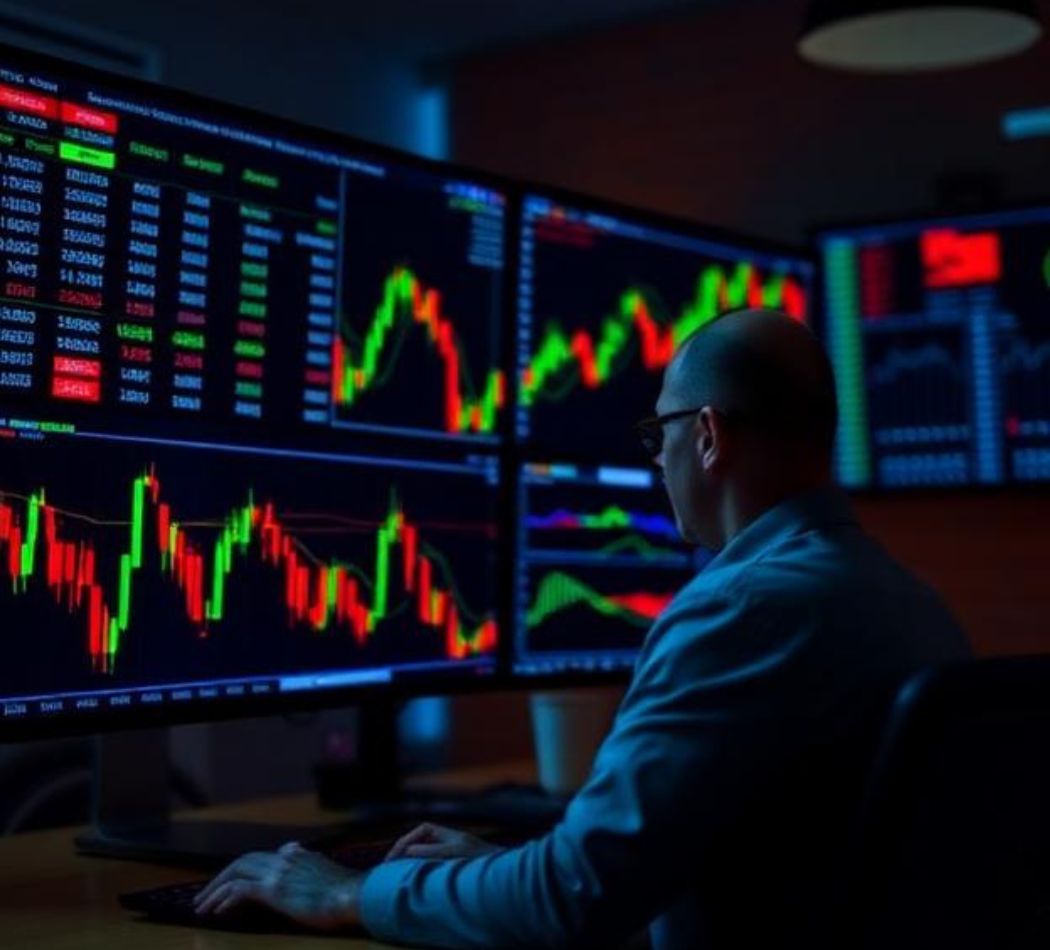
How to stay alert when trading without adderall: Picture this: It’s 2:00 AM during a volatile crypto session. You’ve been staring at charts for six hours straight. Your eyes are burning, your focus is shot, and your decision-making feels like wading through molasses. You find yourself wondering if that leftover Adderall from your college days might give you the edge you desperately need.
You’re not alone. In the high-stakes world of trading, the pressure to maintain razor-sharp focus is immense. The allure of cognitive enhancers—whether prescription stimulants or other “productivity hacks”—is real. But here’s the truth that elite traders understand: relying on Adderall for trading alertness is not only unsustainable—it’s dangerous.
Adderall and similar stimulants carry serious risks: dependency, cardiovascular strain, sleep disruption, and the dreaded “crash” that leaves you worse off than before. Not to mention the legal and ethical implications of using prescription drugs without a medical need.
But here’s the good news: you can stay alert, focused, and mentally sharp during trading sessions without ever touching a prescription stimulant. This guide reveals evidence-based strategies used by professional traders to maintain peak cognitive performance—naturally and sustainably.
Why Trading Is a Cognitive Marathon
Trading isn’t just about reading charts and executing orders. It’s a cognitive marathon that demands sustained attention, rapid decision-making, emotional regulation, and pattern recognition—all under intense pressure.
The Mental Demands of Trading
Financial markets present a unique cognitive challenge. Research shows that trading requires:
-
Selective attention—the ability to focus on relevant market signals while ignoring distracting noise
-
Rapid reaction times—responding to changing conditions in milliseconds
-
Emotional regulation—managing fear, greed, and frustration in real-time
-
Working memory—holding multiple data points in mind simultaneously
-
Cognitive flexibility—adapting strategies as market conditions shift
When you’re tired, stressed, or mentally depleted, every single one of these capacities suffers. Decision fatigue—the deterioration of decision quality after a long session of making choices—is a well-documented phenomenon that can decimate trading performance .
The Adderall Trap
Many traders turn to stimulants because they believe they need “more” to perform. But Adderall isn’t a performance enhancer in the traditional sense—it’s a medication for attention deficit disorders. Using it without a prescription:
-
Creates a dependency cycle that’s difficult to break
-
Disrupts natural sleep patterns, which further impairs cognition
-
Causes rebound fatigue when the drug wears off
-
May lead to anxiety, jitteriness, and poor judgment—a trader’s worst enemies
The smartest traders know: sustainable performance requires sustainable strategies.
The 7 Pillars of Natural Trading Alertness
1. Master the Caffeine-L-Theanine Synergy
Let’s start with the most powerful natural combination for cognitive enhancement: caffeine paired with L-theanine.
Caffeine is a well-known central nervous system stimulant that enhances alertness, vigilance, and attention. But it comes with a downside: jitters, anxiety, and the dreaded “caffeine crash” .
Enter L-theanine—an amino acid found naturally in green tea. Unlike caffeine, L-theanine promotes relaxation without drowsiness. Here’s the magic: when combined, they create a synergistic effect that enhances focus while eliminating jitters .
A landmark 2025 study published in the British Journal of Nutrition found that a high-dose L-theanine-caffeine combination (200mg L-theanine + 160mg caffeine) significantly improved selective attention, reaction time, and neural resource allocation in sleep-deprived individuals compared to placebo .
The Perfect Focus Protocol:
-
Dosage: 100–200mg L-theanine paired with 50–150mg caffeine
-
Ratio: 2:1 L-theanine to caffeine is optimal
-
Timing: Take together, 45–50 minutes before peak focus is needed
-
Upper limit: Keep total caffeine under 400mg per day
-
Evening: Avoid within 6–8 hours of bedtime to protect sleep quality
This combination works by increasing alpha brain waves (associated with relaxed focus) while supporting GABA activity (a calming neurotransmitter) . The result? Clean, sustained attention without the crash.
Trader Tip: Start your trading session with a cup of green tea (which naturally contains both compounds) or take a standardized L-theanine supplement with your coffee.
2. Engineer Your Environment for Flow
Flow state—that magical condition where you’re fully immersed, energized, and performing effortlessly—is the holy grail for traders. But you can’t force flow; you have to engineer it .
The Flow Architecture:
-
Pre-trade routine: Start with a 5-minute ritual that includes hydration, natural light exposure, and intentional breathing
-
Workspace optimization: Minimize distractions—close unnecessary tabs, silence notifications, create a calm environment
-
Clear plan: Know your strategy, profit targets, and stop-losses before you start
-
Single-tasking: Focus on one activity at a time—multitasking is a myth
According to psychology experts working with professional traders, the “check-in pause” is essential: periodically ask yourself, “Am I following my trading plan?” and “What is my emotional state right now?” .
3. Use Ultradian Rhythm Breaks
Here’s something most traders get wrong: staring at screens longer doesn’t make you sharper—it makes you less effective.
The human brain operates in ultradian rhythms—natural 90-minute cycles of focused energy followed by fatigue. Ignoring these rhythms leads to decision fatigue and impaired judgment .
The Break Protocol:
-
90/20 rule: Trade intensely for 90 minutes, then take a 20-minute break
-
Active recovery: During breaks, step away from screens—walk, stretch, or practice deep breathing
-
Mandatory pauses: After a significant loss, take a 15-minute break to reset your mindset
-
Drawdown days: If you’re in a losing streak, step away for the rest of the day
Learning to take proactive breaks isn’t “weakness”—it’s strategic. As one trading coach notes, “Taking a proactive break is not giving up, but rather a ‘positive protection’ for the account, avoiding mistakes due to fatigue” .
4. Manage Dopamine, Don’t Chase It
Dopamine is often misunderstood as the “pleasure chemical.” In reality, it’s the anticipation chemical—what keeps you refreshing charts, checking your P&L, and chasing quick wins even when you know better .
Here’s the problem: modern trading platforms are designed to deliver unpredictable dopamine hits (wins, losses, price movements), which can dysregulate your brain’s natural baseline. Over time, this leads to:
-
Reduced motivation
-
Brain fog
-
Compulsive checking behavior
-
Poor decision-making under pressure
Dopamine Reset Strategies:
-
Morning power-down: Don’t check your phone or charts until after your morning routine—make the dopamine hit earned, not automatic
-
Digital detox: Try a 1-hour daily “dopamine fast”—no screens, no music, just walking or quiet reflection
-
Replace stimulation with effort: When you crave stimulation, channel it into productive effort—exercise, tackling difficult tasks, physical movement
“The failure to manage biases is not just a psychological nuisance; it is a direct tax on the mathematical profitability of the trading system” .
5. Implement Structural Risk Management
One of the best ways to stay alert is to reduce the cognitive burden of decision-making by automating risk management.
The Structural Approach:
-
Fixed risk per trade: Risk no more than 1% of capital per trade
-
Predefined exits: Set stop-losses and profit targets before entering any position
-
Journaling: Track every trade, including your emotional state and thought process
-
Objective data: Base decisions on long-term probabilities (e.g., 100+ trades), not short-term emotions
When risk management is structural rather than emotional, you free up mental energy for actual decision-making. As one trading psychology expert explains, “This structural constraint chemically neutralizes emotional decision-making related to recent trades” .
6. Build Physical Foundations
You can’t out-supplement a bad lifestyle. Sleep, nutrition, and exercise are the bedrock of sustained cognitive performance.
The Physical Performance Protocol:
-
Sleep: 7–8 hours minimum—poor sleep increases caffeine sensitivity and impairs judgment
-
Hydration: Brain fog is often dehydration. Drink water throughout your session
-
Exercise: Regular physical activity releases endorphins that reduce stress and improve mood
-
Blood sugar management: Balanced meals with protein and vegetables prevent energy crashes
One trader notes: “A 15-minute brisk walk clears my mind and reduces tension. Stretching between trades keeps my body loose, preventing stiffness from sitting too long” .
7. Train Your Trading Mindset
The most successful traders don’t just manage their external environment—they manage their internal state through cognitive behavioral techniques .
Mindset Mastery Tools:
-
Cognitive bias detection: Identify and neutralize loss aversion, confirmation bias, recency bias, and anchoring bias
-
Emotion labeling: When strong emotions arise, mentally label them (“I’m feeling fear,” “I’m feeling overconfidence”)—this creates separation between emotion and action
-
Growth mindset: View losses as learning opportunities, not personal failures
-
Mindfulness: Practice present-moment awareness to reduce stress and improve focus
Dr. Brett Steenbarger, a clinical psychologist specializing in trader performance, emphasizes that “being ’emotionally diversified’ is crucial for long-term success”—meaning, building a fulfilling life outside of trading protects against burnout and over-identification with trading outcomes .
Natural Nootropic Stack for Traders
Beyond caffeine and L-theanine, here are evidence-backed supplements that can support trading performance:
| Supplement | Primary Benefit | Dosage |
|---|---|---|
| L-Theanine | Calm focus, reduces jitters | 100-200mg |
| Caffeine | Alertness, reaction time | 50-150mg |
| Bacopa Monnieri | Memory, cognitive function | 300mg daily |
| Rhodiola Rosea | Stress resistance, fatigue reduction | 200-400mg |
| Omega-3s | Brain health, neurotransmitter function | 1-2g daily |
Important: Always consult a healthcare professional before starting any supplement regimen.
Common Mistakes and Their Solutions
Mistake 1: Excessive Caffeine Consumption
The Problem: Too much coffee leads to jitters, anxiety, and impaired sleep.
The Solution: Pair caffeine with L-theanine and limit intake to under 400mg daily. Switch to herbal tea in the afternoon .
Mistake 2: Skipping Breaks
The Problem: Marathon trading sessions lead to decision fatigue and poor judgment.
The Solution: Implement the 90/20 rule and take mandatory pauses after losses .
Mistake 3: Overtrading After Losses
The Problem: Revenge trading and “chasing” losses amplify mistakes.
The Solution: Reduce position size to 25-50% of normal during drawdowns. Shift focus from recovery to process .
Mistake 4: Ignoring Cognitive Biases
The Problem: Subconscious biases distort judgment.
The Solution: Use a trading journal to track biases. Actively seek contradictory information to counter confirmation bias .
Mistake 5: Lack of Morning Routine
The Problem: Starting the day in reactive mode sets up a stressful session.
The Solution: Implement a 5-minute morning reset with hydration, sunlight, breathing, and intention-setting .
Future Trends in Trading Performance
As of 2026, the landscape of cognitive enhancement for traders is evolving rapidly:
1. Wearable Technology: Heart rate variability (HRV) monitors and EEG headbands are helping traders track stress levels and cognitive load in real-time.
2. Cognitive Training Tools: Apps and platforms designed to improve pattern recognition and decision speed are becoming more sophisticated.
3. Personalized Nootropics: Genetic testing is enabling personalized supplement stacks based on individual caffeine metabolism and neurotransmitter profiles.
4. Mindfulness Integration: Professional trading firms are increasingly incorporating meditation and mindfulness training into their programs .
5. AI-Assisted Trading: While not a replacement for human judgment, AI tools are helping traders reduce cognitive load by automating routine analysis.
The future belongs to traders who can sustain peak cognitive performance naturally. The “stimulant era” is giving way to a more sophisticated understanding of sustainable high performance.
Key Takeaways
-
Caffeine + L-Theanine is a proven natural combination that enhances focus without jitters
-
90-minute ultradian rhythm breaks prevent decision fatigue and maintain cognitive sharpness
-
Dopamine management is critical—avoid compulsive checking and start your day without screens
-
Structural risk management (1% per trade, fixed stop-losses) reduces cognitive load and emotional decision-making
-
Physical foundations—sleep, hydration, nutrition, and exercise—are non-negotiable for sustainable performance
-
Emotion labeling and mindfulness create space between feeling and action, preventing impulsive trades
-
Trading psychology is as important as technical skills—develop a growth mindset and treat losses as learning opportunities
FAQs About How to stay alert when trading without adderall
Q1: Is it safe to use L-theanine with caffeine daily?
A: Yes, for most healthy adults. The combination has been studied extensively and is well-tolerated. The 2:1 ratio (L-theanine to caffeine) is considered optimal. As with any supplement, consult your healthcare provider first .
Q2: How long before trading should I take L-theanine and caffeine?
A: Peak plasma concentrations occur around 45–50 minutes after ingestion, so time your dose accordingly .
Q3: Can I stay alert without any stimulants?
A: Absolutely. The strategies in this guide—breaks, environment management, mindfulness, physical health—work regardless of whether you use caffeine. Many elite traders rely primarily on these fundamentals .
Q4: What if I’m already dependent on Adderall?
A: Consult a healthcare professional about a supervised taper. Do not stop suddenly. The strategies in this guide can support your transition to natural focus .
Q5: How do I know if I’m experiencing decision fatigue?
A: Signs include impulsiveness, difficulty concentrating, poor judgment, and a tendency to deviate from your plan. If you notice these, take a break immediately .
Q6: What’s the single most important strategy for staying alert?
A: Sleep. No supplement or strategy can compensate for chronic sleep deprivation. Prioritize 7-8 hours of quality sleep every night.
Q7: How do elite traders stay focused during long sessions?
A: They work in structured blocks (90-minute sessions), take intentional breaks, use natural nootropic stacks, maintain strict routines, and practice mindfulness and emotion labeling .
Sources
-
Nawarathna, G.S., et al. (2025). “High-dose L-theanine-caffeine combination improves neurobehavioural and neurophysiological measures of selective attention in acutely sleep-deprived young adults.” British Journal of Nutrition, 134:195-204.
-
“How to Stop Coffee Jitters with L-Theanine: The Perfect Focus Protocol.” Ubie Health, 2026.
-
“7 Elite Trader Secrets: Proven Ways to Achieve Unstoppable Mental Mastery.” CoinMarketCap, 2025.
-
“What’s Really Fuelling Your Trading Motivation?” The Traders Journal, 2025.
-
“Dealing with Day Trading Stress.” The Human Capital Hub, 2025.
-
“Ep. 24: Dr. Brett Steenbarger — Using the Tools of CBT to Be a Better Trader.” Seth J. Gillihan, PhD.
-
Siva Kumar, Anand. TraderPsyche: From Bias to Breakthrough. Clever Fox Publishing, 2025.
-
“Top 5 Supplements to Boost Your Trading Performance.” Binance, 2023.
-
Ward, Steve. TraderMind: Get a Mindful Edge in the Markets. Wiley, 2014.