Whether you are planning a home renovation, cleaning out the attic, or redesigning your garden, you will eventually face the same challenge: Where do I put all this waste?
Many people search for the term “afruimwagen” (a common typo for afvalcontainer), but what they really mean is a waste container or dumpster.
In this comprehensive guide, we cover everything you need to know about renting and buying the right container. We’ll discuss prices, sizes, color codes (for recycling), and the local regulations you must follow.
What is an “Afruimwagen”? (Waste Container Explained)
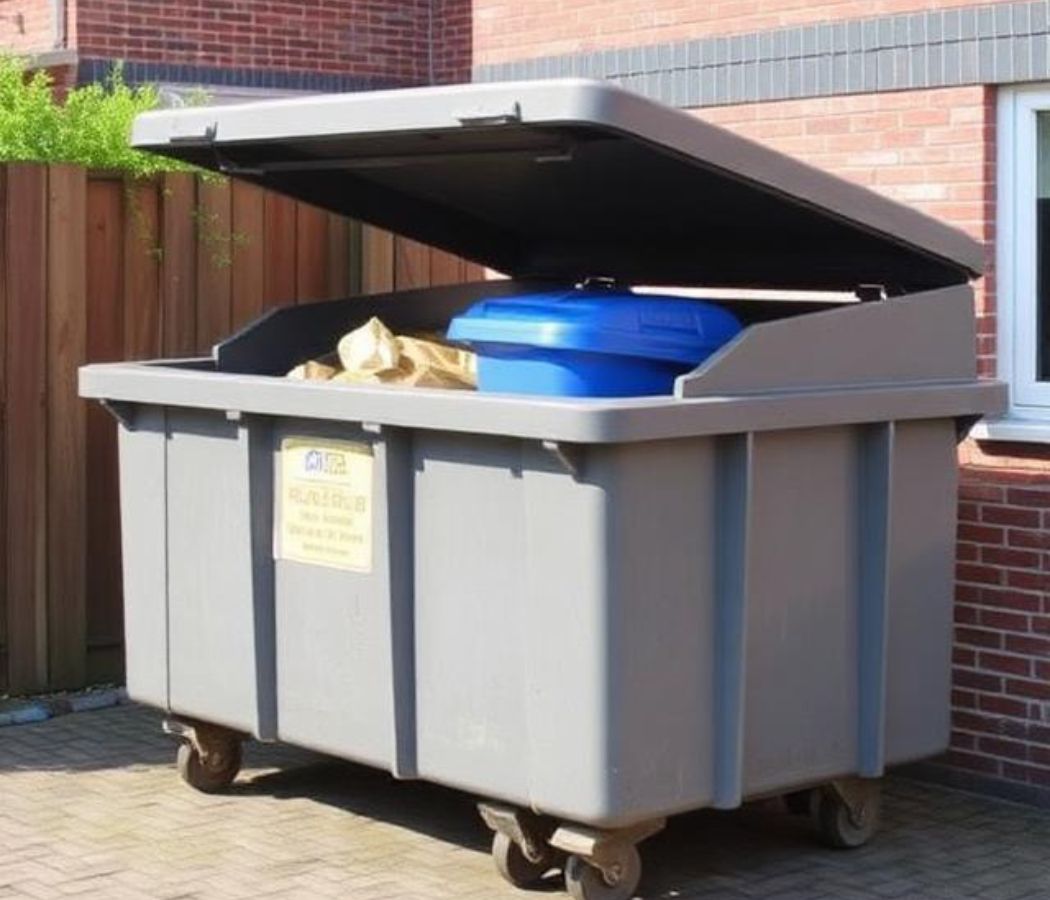
An “afruimwagen” (officially called an afvalcontainer or vuilcontainer) is a large bin designed to temporarily or permanently store waste. You see them everywhere: at homes (the classic green, blue, or gray bins on wheels) and on construction sites as large, open dumpsters.
There are two main categories:
-
Household Containers (Mini Bins): The standard 140L, 240L, or 300L bins provided by municipalities.
-
Construction Dumpsters (Big Containers): Large open-top bins ranging from 3m³ to 10m³ or larger that you rent for specific projects.
What Size Container Do I Need?
Choosing the correct size is essential to save money. Too small, and you won’t finish the job. Too large, and you are wasting cash.
| Type | Capacity (Liters / yd³) | Best For |
|---|---|---|
| Small | 140L – 240L (0.18 – 0.31 yd³) | Weekly household trash, organic waste, paper |
| Medium | 1.5m³ – 3m³ (2 – 4 yd³) | Garden waste, bulky trash, cleaning the shed/attic |
| Large | 6m³ (8 yd³) | Bathroom/kitchen renovation, rubble, debris |
| Extra Large | 10m³ – 20m³ (13 – 26 yd³) | Full house demolition, major landscaping, roofing projects |
Practical Tip: The 6m³ (8 yd³) dumpster is the most popular choice for an average home renovation. A 10m³ unit might seem large, but it fills up very quickly with lightweight materials like insulation or wood.
The Color Code System: Which Container for Which Waste?
In the Netherlands and Belgium, waste separation is heavily encouraged. Containers often use colored lids so you and the collection service know exactly what goes inside.
-
Grey / Black: Residual Waste. Anything that cannot be recycled.
-
Green: Organic Waste (GFT: Groente-, Fruit- en Tuinafval) – vegetable, fruit, and garden waste.
-
Blue: Paper & Cardboard.
-
Orange / PMD: Plastics, Metals & Drink Cartons (PMD).
-
Brown / Red: Occasionally used for textiles or specific industrial waste.
Important note: When renting a large construction dumpster (through companies like Afval.nl), you usually get one mixed container for Construction & Demolition Waste (C&D) , unless you specifically rent one for “soil” or “clean rubble”.
Renting vs. Buying a Container
Should you buy one or rent one? It depends entirely on the duration of your project.
Renting a Dumpster (Construction Containers)
You order this through specialized companies. They deliver the bin, you fill it up, and they haul it away.
-
Pros: No hassle with transportation; suitable for large volumes (6m³+).
-
Costs: “All-in” pricing. In the Benelux region, prices start around €129 (~$140 USD). This usually includes delivery, pickup, and up to 8 weeks of rental time. Extensions cost roughly €30 per 4 weeks.
-
Warning: Always check what is NOT allowed (e.g., asbestos, tires, chemical waste).
Buying a Container (Household Bins)
You buy these from your local municipality or a home improvement store for daily household waste.
-
Pros: Always on hand; hygienic for weekly trash.
-
Costs: Around €90 (~$98 USD) for a 50L steel bin or **€36 to €100** ($40–$110 USD) for plastic models (110L to 240L).
-
Application: Daily household trash only. You cannot dispose of construction debris here.
Placement Rules: Where Can You Put That Dumpster?
Before you order a large container (especially if it needs to go on public property), there are strict rules. Municipalities enforce placement criteria to prevent nuisance.
-
On Private Property (Driveway): This is the best option. No permit is required, as long as your driveway is strong enough (a full 10m³ dumpster is extremely heavy!).
-
On Public Property (Street/Sidewalk): You often need a permit or waiver from the local council. Apply for this before the dumpster arrives.
-
Clearance Distance: Ensure at least 1.2 meters (4 feet) of walkway remains for pedestrians and wheelchairs.
-
Noise & Nuisance: Do not place the container directly under a neighbor’s bedroom window. The minimum distance from a facade is often 2 meters (6.5 feet) .
-
Visibility: The container must be clearly visible to the truck driver but should never obstruct traffic at intersections.
Common Mistakes & Expert Tips
Here is how to avoid the most frequent pitfalls when renting an “afruimwagen”.
-
Asbestos is Strictly Forbidden: Virtually no commercial rental company accepts asbestos in a standard dumpster. You need special bags and dedicated disposal lines for this hazardous material.
-
Load the Container Smartly:
-
Put heavy items (rubble, soil) at the bottom.
-
Put light items (insulation, branches) on top.
-
Crucial: Do not let waste exceed the rim. The lid must close, or a tarp must cover it for safe transport.
-
-
Watch the Water Weight: If you rent a container for soil or sand, beware of rainwater. Water is heavy (1 liter = 1 kg / 1 gallon = 8.3 lbs)! If you have wet soil, rent a container with drainage holes (sieve container) or dry the material first.
-
Beware of “Bin Chickens”: If you are renting a dumpster for a week, lock it or place it on your property. Strangers may illegally dump their trash in your rented container, costing you extra weight fees.
Conclusion
Whether you are searching for an “afruimwagen” for a small cleanup or a major demolition project, the basics are the same: Determine the correct size, separate your waste where possible (pay attention to lid colors), and arrange the necessary permits for placement.
-
For small daily jobs: Buy a standard 140L or 240L gray or green bin from a hardware store.
-
For major renovations: Renting a 6m³ or 10m³ open-top dumpster from a professional company is the cheapest, fastest, and safest way to dispose of your waste.