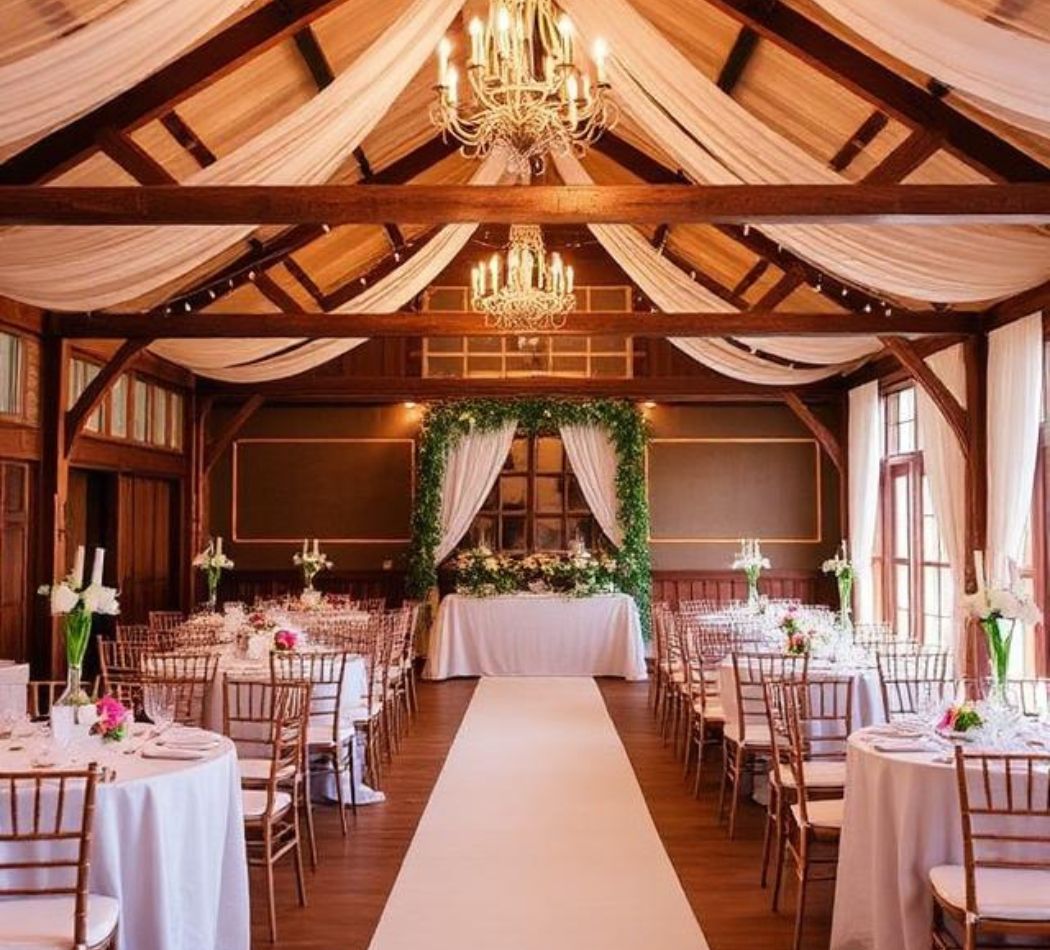
Remember that first rush of excitement when you got engaged? The champagne, the happy tears, the immediate urge to tell your parents? And then… the calm after the storm. The moment you open a browser and type “wedding venues near me.” Suddenly, a tidal wave of Pinterest-perfect barns, glitzy ballrooms, and airy lofts washes over you. It’s magical—and utterly terrifying.
But here’s the reality check that experienced wedding planners and married couples know: your venue is the single most important decision you will make. As one expert notes, “Your wedding venue sets the foundation for your entire celebration. It’s one of the biggest decisions you’ll make, and it often feels overwhelming because so many other choices depend on this one”. The venue dictates your budget (often consuming up to 50% of it), determines your guest experience, and heavily influences your dress style, decor, and even the photographer you choose.
In 2026, the landscape has shifted. Couples are prioritizing guest experience and “photo-worthy” backdrops more than ever, but they are also sharper about negotiating and finding hidden value. This isn’t just about finding a pretty room; it’s about finding the container for your memories.
Consider this your masterclass. We are going to break down exactly how to choose a wedding venue without losing your mind, your savings, or your relationship. Welcome to the “Non-Negotiable Framework.”
Table of Contents
Toggle1. The “Non-Negotiable” Foundation: Before You Fall in Love
The biggest mistake couples make is falling in love with a venue on Instagram before they have the numbers to back it up. A castle looks amazing until you realize it seats 200 and you have 100 guests (it will feel like a ghost town) or it only fits 80 and your parents just invited 150 of their “closest friends.”
A. Draft the Guest List (The Hard Truth)
Before you go anywhere, you need a list. Not a vague idea, but a realistic estimate.
-
The “A” List vs. “B” List: Start with the people you cannot imagine celebrating without. Then add a list of people you’d love to be there but who aren’t deal-breakers.
-
The 10% Rule: “Build in a 10% buffer for last-minute additions or changes. If you’re torn between two guest counts, choose venues that can accommodate the higher number comfortably”.
-
Why it matters: A venue that just fits your number will feel cramped once you add a dance floor, a buffet table, and a DJ booth. “A venue that holds exactly your guest count will feel cramped. Look for spaces that comfortably hold 20-30 more people than you’re inviting”.
B. Budget Reality: The 40-50% Rule
Money is often the elephant in the room. While a venue rental fee might look affordable, the total cost is often a different story.
-
The Standard Allocation: A general guideline suggests allocating about 40–50% of your total wedding budget to venue and catering combined. If your total budget is £20,000, expect to spend roughly £8,000-£10,000 on the venue and food.
-
“All-Inclusive” vs. “Bare Bones”: Ask this question immediately: “Does the venue provide tables, chairs, linens, and staff?” If they don’t, you are saving on the rental fee but will likely spend that difference—and more—on hiring equipment and external caterers.
2. Logistics & Location: The “Guest Experience” Factor
This is where many couples get blindsided. A venue might be a 10/10 on aesthetics but a 3/10 on logistics, creating stress for your guests and for you.
The Travel & Parking Crisis
If the venue is remote, you need to solve the transportation issue.
-
Transport: “Think of all transportation and accommodation options. Is there a train station nearby for those not driving?”.
-
Parking: Is there adequate parking? If not, “find a nearby parking lot available on your wedding date where you can, perhaps, organise a shuttle service to your venue”.
-
Accessibility: “Walk through the venue thinking about guests who might have mobility challenges. Are there stairs to the main areas?”.
The “One Venue vs. Two Venues” Dilemma
Do you host the ceremony and reception in the same place?
-
The Pro of “All-in-One”: “Having one venue, with one venue coordinator, means you don’t have to try and bring together two events and venues”. It also eliminates the “awkward gap” between the ceremony and reception.
-
The Con of “Two Venues”: If you must have two (e.g., a specific church and a barn), logistics multiply. “You want to have minimal travel time between the ceremony and reception. We’re talking 30 minutes or less and definitely no longer than an hour”.
3. The Venue Visit: What to Look For (and What to Ask)
You have a shortlist. It’s time to visit. Do not treat this like a romantic date; treat it like a professional inspection.
Timing is Everything
-
Visit at the Same Time: “Visit venues at the same time of day as your planned event. Lighting changes dramatically throughout the day, and you want to see how the space will actually look during your celebration”.
-
Noise Check: If you are visiting on a Sunday morning, but your wedding is a Saturday night, you might not hear the noise from the bar next door or the street. Ask if you can observe a setup or event in progress.
The “Empty Room” Test
Venues often look completely different when filled with tables, chairs, and people.
-
Flow: “Pay attention to the flow between spaces. Can guests move easily from cocktail hour to dinner? Is there adequate space for dancing?”.
-
Layout Trends for 2026: Modern weddings are focusing on the “flow.” Venues are being evaluated on “the concept of storytelling… layouts are created to provide guests with a natural and seamless flow throughout the wedding event”. Ask to see a floor plan or photos of a fully set-up wedding.
The Essential Questions Checklist
Print this out and bring it with you.
-
Availability: “Is the venue available for exclusive hire?”.
-
Timeline: “What time can we access the venue for setup? What time does the event have to end?” (Overtime charges are a common “hidden cost”).
-
Vendor Restrictions: Do we have to use your preferred caterers? Can we bring our own alcohol?
-
The “Rain Plan”: If it’s an outdoor space, “confirm backup plans for weather”.
-
What’s Included: A breakdown of “tables, chairs, linens, and basic lighting”.
4. Red Flags and Hidden Costs
It is a red flag to feel pressured. Always read the contract.
Watch out for these traps:
-
Service Charges & VAT: A 10-12.5% service charge on top of a £5,000 bill is a significant extra.
-
Overtime Charges: “Ask about service fees, overtime charges, and setup costs upfront”.
-
Corkage Fees: If you can bring your own wine, they might charge you “corkage” per bottle, wiping out the savings.
-
Communication: “Be cautious of venues with poor communication, hidden fees, or inflexible policies. If the venue coordinator seems overwhelmed or unresponsive during the booking process, this likely reflects how they’ll handle your wedding day”. Trust your gut.
5. The 2026 Trends: What’s In and What’s Out
To ensure you are looking for the right things, here is what industry experts are seeing in 2026.
-
Peak Season Flexibility: “While venues tend to book up around two years in advance, try not to fix yourself on a specific date, perhaps choose a preferred time of year”. Flexibility is the key to getting your dream venue.
-
The Guest Experience: Venues are no longer just a backdrop. The trend is “optimizing the attendees’ experience through layout design”. Couples are looking for spaces that offer comfort, good acoustics, and Instagram-worthy backgrounds that are naturally lit.
-
Eco-Conscious Choices: “Venues are designed and constructed… with eco-considerate/waste-minimized decor zoning in mind”. This means venues that allow for less waste and more sustainable decorating.
-
“Bleisure” Weddings: With many guests still working remotely, venues with good Wi-Fi (for those who need to pop online) and mid-week availability are becoming more popular.
6. How to Make the Final Decision
You have seen three to five venues. You are suffering from “analysis paralysis.” How do you choose?
-
Score Them: Create a simple scoring system based on your “must-haves” (Budget, Guest Comfort, Style, Logistics).
-
The “Night Of” Test: Imagine the end of the night. “Can your elderly relatives navigate the space easily? Is there enough room for your photographer to move around during the ceremony? Will your band fit in the designated area with all their equipment?”.
-
The “One Date” Rule: If two are equal, “organise a second visit, and ask for more imagery, floor plans, and video footage from past weddings”.
Conclusion: Your Foundation is Set
Choosing a wedding venue is the most complex, stressful, and exciting part of the planning process. But by following this guide, you aren’t just picking a place; you are designing an experience. You are choosing the backdrop for the biggest party of your life.
Remember: Budget first, guest list second, and aesthetics third. The prettiest barn won’t matter if your guests can’t get there, and the grandest ballroom is a loss if you go into debt for it.
“Focus on quality over quantity; you don’t need to invite people just to fill the room” . The same goes for the venue—choose quality of experience over the “look” every time.
Key Takeaways
-
Start with Numbers: Lock down your guest list and budget before falling in love with photos.
-
Visit “Live”: See the venue at the time of day your event will be held.
-
Read the Fine Print: Always ask about service charges, overtime, and setup times.
-
Trust Your Gut: If the staff is unresponsive now, they will be on your wedding day.
-
Be Flexible: Off-peak dates and Sundays can save you thousands and secure the best vendors.
FAQs
How far in advance should I book a wedding venue?
“Popular venues and peak season dates typically book 12–18 months ahead. If you’re flexible with dates or considering off-season timing, 6–9 months can be sufficient for many venues”. In competitive markets like the UK, it is often recommended to book 18 to 24 months in advance for a Saturday in summer.
What is the first thing to do when choosing a venue?
“Before you go any further and fall in love with a venue, you need to know the cold hard facts… gauge the size of the event” . Count your guests and set your maximum budget immediately.
Can I negotiate a wedding venue price?
Yes, but smartly. “Instead of asking for big discounts, focus on perks… free upgrades… bundled services… small additions like chairs or lighting” . Negotiate for added value rather than a reduced base fee.
Should I book a venue that requires me to use their caterers?
It depends on your priorities. In-house catering simplifies logistics significantly . However, if you are a “foodie” couple or have specific dietary or cultural requirements, bring your own caterer if the venue allows it. “Ask about vendor restrictions, catering requirements, and alcohol policies”.
What happens if my outdoor venue gets rained on?
Always ask about the “wet weather option.” “While most venues have other rooms that you can run into in the event of an unexpected weather incident, in some places, you’ll need to organise a marquee or some sort of back-up yourself” . This must be in the contract.
Sources
-
David’s Bridal. (2026). How to Choose the Perfect Wedding Venue Today.
-
SquareMeal. (2025). How to choose a wedding venue: A step-by-step guide.
-
FNP Venues. (2025). Wedding Venue Tips for Peak Season Dates.
-
The Arcadia Online. (2025). How to Choose the Ideal Wedding Venue- What Really Matters.
-
David’s Bridal. (2026). How to Choose the Perfect Wedding Venue: A Guide.
-
weddingsonline. (2024). How To Choose Your Wedding Ceremony Venue.
-
Eastnor Castle. (2025). How to Choose the Perfect Wedding Venue in 7 Steps.
-
Easy Weddings UK. (2025). 10 things to consider when choosing your wedding venue.
-
Wedding Affair. (2025). How to Pick the Perfect Wedding Venue: Key Factors.
-
FNP Venues. (2025). How to Choose the Right Wedding Venue Layout.