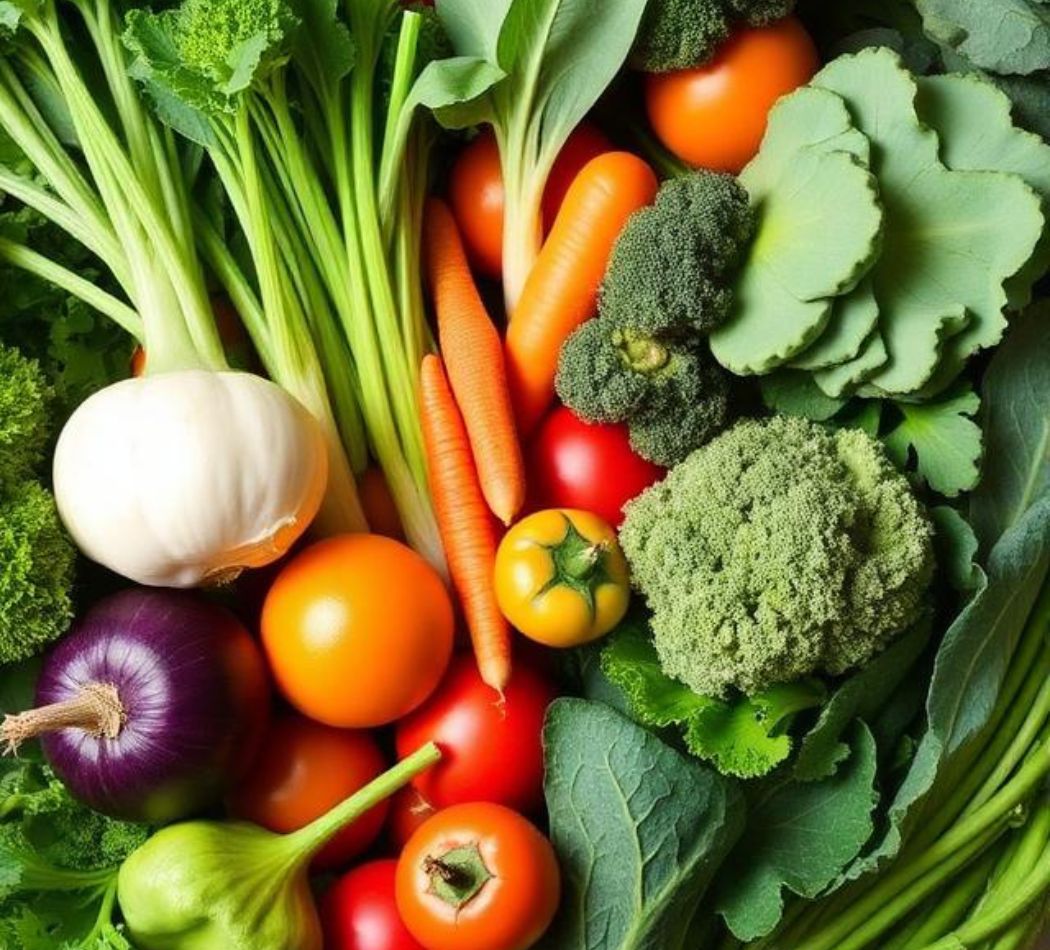
Imagine you’re standing in the produce section, surrounded by an explosion of colors and textures. You’ve got your weekly grocery list in hand, but you find yourself reaching for the same old suspects—spinach, carrots, and potatoes. There’s a whole world of vegetables out there, from the familiar to the exotic, that can transform your meals and supercharge your health. But with so many options, where do you even start? This is where the ultimate “vegg list” comes in, serving as your passport to the vast and varied kingdom of vegetables.
This comprehensive guide isn’t just a list of names; it’s a deep dive into the different types of vegetables, their unique benefits, and how to incorporate more of them into your diet. By the end, you’ll not only be able to name over 100 different varieties but also understand how to use them to “eat the rainbow”.
A Brief History of Our Veg List: From Foraging to Farming
The story of vegetables is the story of human civilization. For tens of thousands of years, our hunter-gatherer ancestors foraged for wild greens, roots, and tubers, relying on the land for sustenance. The “vegg list” of the time was limited to what was naturally available.
The true revolution began about 10,000 years ago with the Neolithic Revolution. This was the birth of agriculture, where humans transitioned from nomadic foragers to settled farmers. It allowed our ancestors to cultivate and breed wild plants, leading to the creation of many of the vegetables we know and love today. Our veg list grew.
Fast-forward to the modern era, and the expansion of global trade has made a vast array of vegetable types available year-round. Today, our “vegg list” includes over 100 varieties that would have been unimaginable to our ancestors.
The Master Veg List: Categorizing by Plant Part & Type
Veg lists can be organized in a few different ways, but the most informative system groups them by the part of the plant we eat and their nutritional profile. This method helps us understand how to use, cook, and benefit from each variety.
Leafy Greens and Brassicas: The Foundation of the Veg List
When you think of “healthy vegetables,” this category likely comes to mind first. They are nutritional powerhouses that come in many forms.
Types:
-
Dark Leafy Greens: Spinach, Kale, Swiss Chard, Collard Greens, Romaine Lettuce, Arugula (Rocket).
-
Cruciferous Vegetables (Brassicas): Broccoli, Cauliflower, Cabbage (green, red, Napa), Brussels Sprouts, Bok Choy.
Why They’re Great:
-
Leafy greens are incredibly low in calories but bursting with vitamins A, C, and K, as well as folate and iron. They are the ultimate base for salads, smoothies, and sautés.
-
Brassicas contain a compound called glucosinolate, which has been linked to significant health benefits, including potential anti-cancer properties. They are also rich in fiber and vitamin C.
Root Vegetables, Tubers, and Bulbs: Earthy and Satisfying
These are the underground heroes of the veg list. They provide essential starch, complex carbohydrates, and deep, earthy flavors that form the backbone of comfort food.
Types:
-
Root Vegetables: Carrots, Beets (Beetroot), Turnips, Radishes, Parsnips.
-
Tubers & Corms: Potatoes, Sweet Potatoes, Yams, Taro, Cassava, Jerusalem Artichokes (Sunchokes), Jicama.
-
Bulb Vegetables: Onions, Garlic, Shallots, Leeks, Fennel.
Why They’re Great:
-
Roots & Tubers are generally starchy, providing a great source of energy, complex carbohydrates, and dietary fiber. They are packed with vitamin A (especially the orange ones like sweet potatoes and carrots) and potassium.
-
Bulb vegetables are the aromatic flavor base for countless global cuisines. Garlic and onions, in particular, are famous for their immune-boosting and anti-inflammatory properties, thanks to their rich concentration of antioxidants.
Fruiting Vegetables and Legumes: The Seeds and Pods
This category often creates the most confusion on a veg list. Botanically, these are fruits (as they contain seeds), but in the culinary world, we use them as vegetables.
Types:
-
Nightshades & Squash: Tomatoes, Bell Peppers, Chili Peppers, Eggplant (Aubergine), Zucchini (Courgette), Cucumbers, Pumpkins, and Butternut Squash.
-
Legumes (Pods & Seeds): Green Beans, Peas, Chickpeas (Garbanzo beans), Lentils, Black Beans, Kidney Beans, Edamame (Soybeans).
Why They’re Great:
-
Fruiting vegetables are rich in vitamins A and C and have high water content, making them refreshing. Lycopene in tomatoes, an antioxidant, is known to support heart health.
-
Legumes are unique in that they are an excellent source of plant-based protein and fiber. They are perfect for vegetarian and vegan diets.
“The Others”: From Stems to Fungi
This category includes vegetables that don’t neatly fit into the above classifications or are not technically plants!
Types:
-
Stem/Stalk Vegetables: Asparagus, Celery, Rhubarb (often used as a fruit), Bamboo Shoots.
-
Unclassified: Artichokes (an edible flower bud), Okra (a pod), Mushrooms (which are actually fungi!).
Practical Tips: How to Use Your Veg List in the Real World
Knowing a veg list is one thing, but incorporating it into your daily life is where the magic happens.
Plan Your Meals Around “Eating the Rainbow”
A simple and effective strategy for optimal nutrition is to aim for a colorful plate. Different colors represent different antioxidants. A veg list can help you stay on track.
-
Green: High in iron and calcium. Think Broccoli, Kale, Spinach.
-
Red/Orange: High in vitamin C and beta-carotene. Think Tomatoes, Bell Peppers, Carrots.
-
Purple/Blue: High in antioxidants like anthocyanins. Think Eggplant, Red Cabbage, Purple Potatoes.
-
White/Brown: Contain allicin which is good for the immune system. Think Garlic, Onions, Mushrooms.
Seasonality is Key
Vegetables taste best when they are in season. Here’s a simple veg list by season to guide your shopping.
Spring: Asparagus, Peas, Spinach, Radishes, Artichokes.
Summer: Tomatoes, Zucchini, Bell Peppers, Cucumbers, Corn.
Fall: Pumpkins, Squash, Brussels Sprouts, Sweet Potatoes, Apples (not a veg, but good company!).
Winter: Kale, Cabbage, Onions, Potatoes, Root Vegetables like Parsnips and Turnips.
Storage and Prep Hacks
-
Store Roots and Tubers in a cool, dark, and dry place.
-
Store Leafy Greens in the fridge with a paper towel to absorb excess moisture.
-
Don’t throw away stems! Broccoli and cauliflower stems are delicious when peeled and chopped.
-
Mushrooms should be stored in a paper bag, not plastic, to prevent them from getting slimy.
Common Mistakes and Challenges + Solutions
Mistake 1: Eating the Same Vegetables Every Week
This often happens because people lack an expanded “vegg list” and stick to their comfort zone. It leads to nutritional gaps and boredom.
Solution: Challenge yourself to try one new vegetable from this list every week. Swap out your usual romaine for radicchio, or try roasting a rutabaga instead of a potato.
Mistake 2: Using a Bad “Veg List”
Many lists are incomplete, leaving out nutritional information and classifications.
Solution: Use this guide! It’s the most comprehensive veg list you’ll find. It categorizes by plant family to make choosing easier and covers over 100 examples.
Mistake 3: Buying Vegetables and Letting Them Spoil
This creates food waste and is a major barrier to eating healthy.
Solution: Plan your weekly meals and buy only what you need for the next 3-4 days. Root vegetables last longer, so you can buy them at the start of the week and use them later. Use your veg list to match recipes to what you can buy.
Pros, Cons, and Balanced Analysis
Pros of Eating a Wide Variety of Veggies
-
Health: Reduced risk of chronic diseases, improved heart health, better digestion, and weight management. According to the USDA, dark green and red/orange veg are among the most nutrient-dense.
-
Variety: Trying new veg keeps cooking and eating interesting.
Cons
-
Cost: Buying exotic or out-of-season vegetables can be expensive.
-
Food Waste: If you don’t use them in time, they can spoil.
-
Allergies: Some people have allergies (e.g., to nightshades like tomatoes or peppers, or to legumes).
The Verdict: The pros far outweigh the cons. The cons can be easily mitigated by focusing on seasonal buying, planning meals, and learning new recipes.
Future Trends & Predictions: The Future of the Veg List
The “vegg list” is constantly evolving, and the future is exciting.
-
Climate-Smart Produce: We will see more veg that are drought and heat-tolerant.
-
Hyper-Local and Heirloom Varieties: There is a growing trend toward local and heirloom produce, which offers better taste and supports local farmers.
-
Plant-Based Meat Alternatives: Legumes are becoming central to this movement. Beans, peas, and lentils from our veg list are being transformed into high-protein alternatives.
Conclusion: Your Ultimate Veg List Key Takeaways
The world of vegetables is a vibrant, diverse, and delicious kingdom. This ultimate veg list is your guide to navigating it. Remember, every new vegetable you try is an investment in your health and a treat for your taste buds.
Quick Summary / Key Takeaways Box
-
The List is Vast: Over 100+ unique vegetables are globally available across categories: Leafy Greens, Brassicas, Roots/Tubers, Fruiting Veg, Legumes, and “Other” Vegetables.
-
Categorize by Plant Part: Grouping them by root, leaf, fruit, or seed helps you understand how to cook and store them and what nutrients they provide.
-
Eat the Rainbow: A diverse diet is crucial for getting a wide range of vitamins, minerals, and antioxidants.
-
Plan Your Meals: Use this veg list to break out of your food rut and try something new each week.
Frequently Asked Questions (FAQs)
What is the official “vegg list”?
There is no single official list. It’s a culinary category that includes edible parts of plants like roots, stems, leaves, flowers, and immature fruits. Different organizations classify them slightly differently.
What’s the difference between a fruit and a vegetable?
Botanically, a fruit is the mature ovary of a plant that contains seeds, while a vegetable is any other part. However, in culinary terms, many fruits (like tomatoes and bell peppers) are used and called vegetables.
What are the 5 main groups in the USDA vegetable list?
The USDA’s MyPlate guidelines list five vegetable subgroups: Dark-Green Vegetables, Red and Orange Vegetables, Beans, Peas, and Lentils, Starchy Vegetables, and Other Vegetables. This is a great framework for a balanced diet.
How many servings of vegetables should I eat per day?
General guidelines recommend 2.5 to 3 cups of vegetables per day for adults, depending on age, sex, and level of physical activity. It’s important to vary your choices from the different categories.
What are some examples of uncommon or exotic vegetables on a veg list?
Some less common ones include: Jicama (a crunchy root), Kohlrabi (a bulbous stem veg), Oca (a colorful tuber), Daikon (an Asian radish), and Romanesco (a fractal-looking brassica).
Are mushrooms considered vegetables?
Technically, no. They are fungi. However, nutritionally and culinarily, they are often treated as vegetables and are included in the “Other” vegetable subgroup in dietary guidelines.