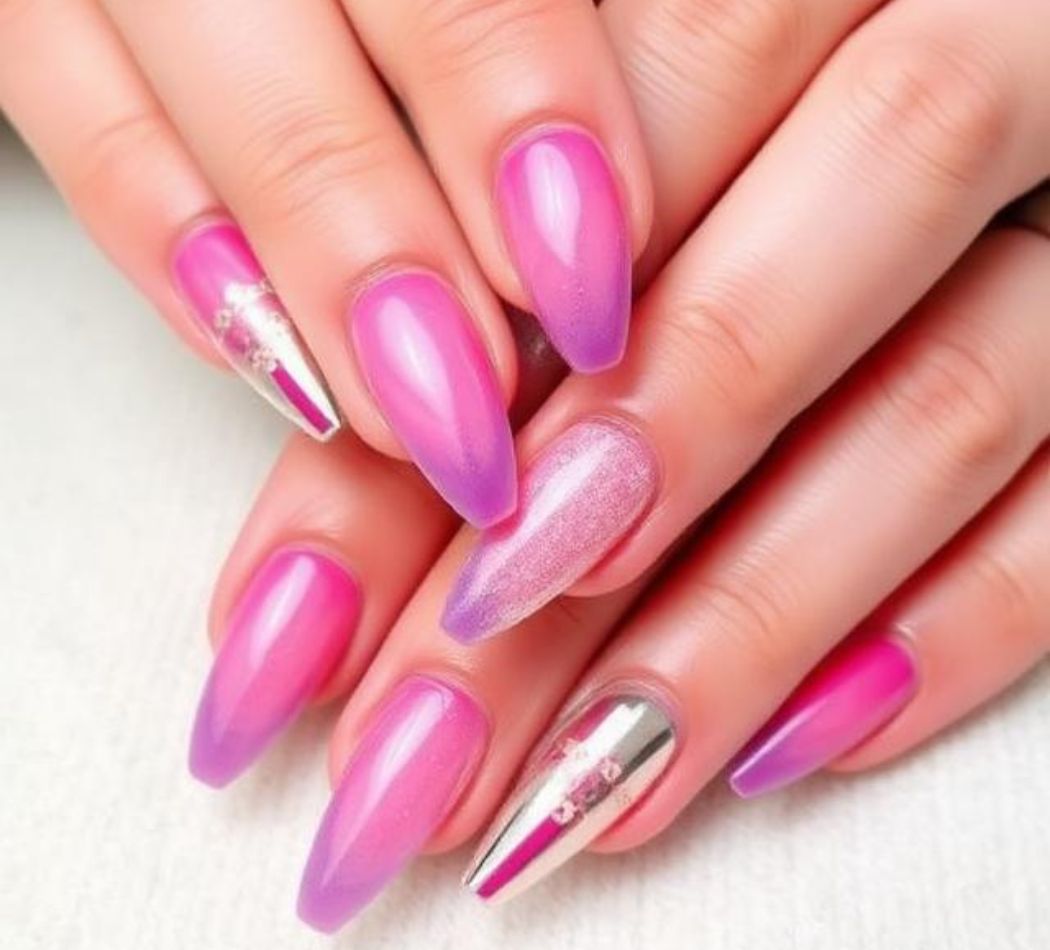
Imagine walking out of a nail salon with nails so flawless they look like they belong on a magazine cover—or better yet, like they’re photoshopped. The cuticles are perfectly clean, the polish is applied so close to the skin that it appears to be growing directly from your nail bed, and there isn’t a single stroke or imperfection in sight. This isn’t a fantasy—it’s the reality of a Russian manicure, a precision-based nail technique that has taken the beauty world by storm.
You’ve probably seen it on TikTok or Instagram, where the hashtag has amassed millions of views and beauty creators can’t stop raving about the results. “The day that I started getting Russian or Ukrainian or European manicures is the day that all of my nail drama came to an end,” one viral TikTok creator shared.
But what exactly is this technique? Is it just a fancy name for a standard manicure, or is there something truly different about it? And more importantly, is it safe for your nails? The answer requires a deep dive into a method that’s been a staple in Eastern Europe for decades and is now revolutionizing Western nail care. Let’s explore everything you need to know about the Russian manicure.
Defining the Russian Manicure: More Than Just a Name
What is a Russian manicure? At its core, a Russian manicure is a meticulous, dry nail technique that focuses on immaculate cuticle work and precise product application. It’s not about a specific color or style like a French manicure; it’s a method of preparation and application that sets it apart from anything you’ve likely experienced at a typical salon.
Experts define it as a nail-care technique that primarily uses an electric file (e-file) to meticulously clean and shape the cuticles around the nail, creating a very precise and clean look. The goal is to create a perfectly clean canvas. This involves removing the cuticle and all dead skin from the nail plate, resulting in a smooth surface with no visible imperfections. The meticulous cuticle work is the signature of the Russian manicure.
How Does It Differ From a Traditional Manicure?
The difference is stark. A traditional manicure typically starts with soaking your nails in warm water to soften the cuticles. The cuticles are then pushed back and usually trimmed with nippers or scissors.
A Russian manicure, in contrast, is a dry manicure—no soaking is involved. Here are some key distinctions:
| Feature | Traditional Manicure | Russian Manicure |
|---|---|---|
| Preparation | Hands are soaked in water to soften skin. | Dry technique; no water or soaking. |
| Cuticle Work | Cuticles are pushed back and often trimmed with nippers. | Meticulous removal using an e-file and small scissors to clean the nail plate entirely. |
| Polish Application | Applied to the nail surface, leaving a small gap from the cuticle. | Applied extremely close to the cuticle, creating a seamless, “growing out of the nail bed” look. |
| Durability | Standard polish: 5-7 days; Gel: 1-2 weeks. | Lasts 3 to 5 weeks with proper maintenance. |
| Time | 45 minutes to 1 hour. | 2 to 3 hours due to the detailed work. |
| Cost | Generally more affordable. | Premium pricing reflects the skill and time required. |
The Step-by-Step Process
The Russian manicure is a precise, multi-step process that demands skill and patience from the technician. If you decide to try one, this is what you can expect :
-
Prep and Shaping: The technician starts by using an e-file to carefully remove any existing gel polish or product. They then shape the nail to your desired length and style.
-
The Signature Cuticle Work: This is where the magic happens. Using fine-grit, specialized e-file bits, the technician works meticulously to clean the cuticle area. They lift the eponychium (the living skin at the base of the nail) to access and remove the non-living cuticle, leaving the area completely clean and neat. Some technicians may use small scissors for the final, delicate touches.
-
Buffing the Nail Plate: The surface of the natural nail is gently buffed to remove oils and shine, creating a perfectly even surface for the polish to adhere to.
-
Precision Polish Application: A specialized base coat is often applied. The color polish is then painted on with incredible precision, using a fine brush to get it as close to the skin as possible without touching it. This creates the flawless, “painted-on” look and is key to the manicure’s longevity.
-
Finishing Touches: A top coat is applied and sealed, leaving you with a glossy, perfect finish.
Why Is It So Popular? The Unmatched Appeal
The Russian manicure’s rapid rise in popularity isn’t just hype. It delivers on its promises, offering a level of perfection that appeals to many.
1. Unparalleled Aesthetic & Longevity
The primary draw is the result. This technique creates a manicure with incredibly clean lines and a polished finish, often described as “surgical” or “editorial. Because the polish is applied so close to the cuticle, regrowth is much less noticeable. This is why a Russian manicure can last 3 to 5 weeks without needing a touch-up, far outlasting a standard gel manicure. “The precision of the electric file prevents hangnails and helps promote healthy cuticle growth… which can actually lead to stronger nails over time,” explains Eli Yusupov, co-founder of a Russian manicure salon in NYC.
2. A More “Nail-Healthy” Approach (When Done Right)
While it might seem aggressive, proponents argue that when performed correctly by a trained professional, the Russian manicure is better for your nail health. Because it’s a dry technique, it avoids the nail plate softening and peeling that can occur during soaking. The meticulous removal of dead skin can prevent painful hangnails. However, this benefit is entirely dependent on the skill and training of the technician.
The Elephant in the Room: Is a Russian Manicure Safe?
This is the most critical question. The answer is nuanced: It can be safe, but it also carries significant risks.
The Expert Warning and Concerns
Dermatologists express concern over the technique, particularly the complete removal of the cuticle. The cuticle serves a crucial biological purpose—it’s the skin’s protective barrier against bacteria and fungi. “The American Academy of Dermatology recommends that cuticles be left alone,” says Dr. Brendan Camp, a dermatologist. “They grow over the root of the nail to protect the nail; compromising the cuticle could set the nail up for injury or infection”.
Removing this protective layer can lead to serious infections like paronychia (an infection of the skin around the nail) or onychomycosis (a fungal nail infection). Repeated trauma can cause chronic inflammation and even scarring, potentially affecting how the nail grows long-term.
Because of these risks, the technique is not legal in some places, like the state of Alabama.
It’s All About the Technician
The key to safety is the expertise of the nail technician. This is not a technique someone can master in a weekend course. It requires intensive training and a deep understanding of nail anatomy to avoid cutting live skin and causing damage.
The risk isn’t inherent to the technique itself, but to its execution. A poorly trained technician with an e-file can easily over-file the nail, cut the skin, and create an entry point for infection. “It’s just as safe as a traditional manicure when done correctly,” Yusupov clarifies. “But improper technique with an e-file can damage the nail or skin”.
Weighing the Pros, Cons, and Costs
Before you book an appointment, let’s summarize the balanced perspective.
Pros:
-
Flawless Aesthetic: An immaculate, ultra-clean, and precise finish.
-
Exceptional Longevity: Lasts for 3 to 5 weeks, making it great for busy people and travelers.
-
Prevents Hangnails: The precision work can prevent dry skin and painful hangnails.
-
Less Frequent Removal: Fewer visits mean less exposure to products and filing, which can be healthier for nails.
-
Classic Look: The sheer and milky colors often used give an elegant “old money” aesthetic.
Cons:
-
High Risk of Infection: Removing the cuticle breaks the protective barrier, increasing the risk of infection and inflammation.
-
Potential for Nail Damage: Aggressive filing can thin the nail plate and lead to brittleness.
-
Expensive: Costs significantly more than a standard manicure.
-
Very Time-Consuming: You should expect to be in the salon for 2-3 hours.
-
Requires an Expert: The technique is only safe when performed by a highly trained professional. Finding a skilled technician is essential.
The Future: Predictions for the Russian Manicure Trend
The Russian manicure has firmly established itself in the global beauty industry, and its popularity shows no signs of waning.
Specialization and Regulation
As the demand grows, we will likely see a greater push for specialized training and certifications. Currently, the technique is often passed down through training within Eastern European communities. To ensure safety and quality, more formalized education may become standard. This could lead to more salons offering the service with properly trained, certified technicians. Conversely, we might see more states following Alabama’s lead and regulating or banning the practice of cuticle removal.
Influence on Mainstream Nail Care
The demand for perfection is already changing expectations. More clients are asking for cleaner cuticle work, influencing how standard manicures are performed. The idea of “longevity” is now a primary selling point for many nail services. Even if a client doesn’t get a full Russian manicure, the emphasis on a “cleaner” look is here to stay.
At-Home Kits vs. Professional Services
There will be a rise in at-home e-file kits and tutorials, driven by the cost of the service and the desire to learn new skills. This is a dangerous trend, as using an e-file without proper training can cause serious damage. Expect beauty professionals to strongly caution against DIY attempts, reinforcing that this is a service best left to trained experts.
Conclusion: Is It Right For You?
The Russian manicure is a testament to the power of precision. It offers an unbeatable aesthetic and longevity but comes with potential risks that shouldn’t be ignored.
Key Takeaways:
-
A Russian manicure is a dry technique involving precise cuticle removal with an e-file for a flawless finish.
-
It lasts 3 to 5 weeks, far outlasting traditional manicures.
-
The procedure takes 2 to 3 hours and is more expensive than a standard manicure.
-
The primary risk is infection from removing the protective cuticle barrier, which dermatologists advise against.
-
Safety and quality are entirely dependent on the skill of the technician. You must go to an expert who has had extensive training.
Ultimately, it’s a personal choice. If the promise of perfect, long-lasting nails is worth the higher price and potential risks to you, then a Russian manicure might be the upgrade you’re looking for. Do your research and choose a reputable, highly skilled professional. Your nail health depends on it.
Detailed FAQs
1. What is a Russian manicure?
A Russian manicure is a precise, dry nail technique that uses an electric file to meticulously remove cuticles and dead skin from the nail plate. The goal is to achieve a flawless, clean canvas and apply polish as close to the cuticle as possible for an exceptionally long-lasting, pristine finish.
2. How long does a Russian manicure last?
A properly done Russian manicure can last from 3 to 5 weeks, and some even report up to 6 weeks without needing a touch-up. This is much longer than a traditional manicure due to the meticulous prep work that creates a better seal and cleaner grow-out.
3. Is a Russian manicure safe?
The safety of a Russian manicure depends entirely on the technician’s skill and training. While the technique is popular, it involves removing the cuticle, which serves as a protective barrier against infection. Dermatologists warn that this can increase the risk of infections and nail damage. However, when performed correctly by a trained professional, many experts consider it a safe and even healthier alternative. It is crucial to find a highly experienced and certified technician.
4. What is the difference between a Russian and a regular manicure?
The main differences are that a Russian manicure is a “dry” technique involving no soaking, uses an e-file for meticulous cuticle work, and applies polish extremely close to the cuticle for a seamless, longer-lasting look. A regular manicure typically involves soaking the hands, pushing back and trimming cuticles, and is a faster, more affordable service that doesn’t last as long.
5. How much does a Russian manicure cost?
A Russian manicure is a premium service and typically costs more than a standard manicure due to the high level of skill, detailed work, and time required (2-3 hours). Prices vary by location and salon reputation.
6. Can I do a Russian manicure at home?
It’s highly discouraged for anyone without professional training. Using an electric file on your nails and cuticles requires extensive knowledge of nail anatomy to avoid injury, infection, and permanent damage. Professionals strongly advise against attempting it at home.
Sources
-
Health.com, What Is a ‘Russian Manicure’—And Can It Affect Your Health?
-
Women’s Health UK, What is a Russian manicure? The nail trend taking over social media
-
Lifestyle.Inquirer.net, Why you should try a Russian manicure this holiday season
-
Refinery29, TikTok Loves The Russian Manicure, But There’s A Serious Catch
-
InStyle, A Russian Manicure Is the Secret for a Super-Clean and Precise Look—Here’s How It’s Done
-
Oriflame UK, What you really need to know about Russian manicure
-
Harper’s BAZAAR, The ‘Russian manicure’ is the cleanest, most minimal nail trend replacing traditional gels
-
Marie Claire, Русский маникюр вернулся — как его повторить?
-
The Daily Dot, ‘I don’t think I can go back’: Woman issues PSA about Russian and Ukrainian nail techs
-
Fashion Week Online, Russian vs Classic Manicure: What’s the Real Difference?
-
Vogue Philippines, What You Need to Know About the Russian Manicure
-
Le Mini Macaron, Russian Manicure: What is it and how is it done?