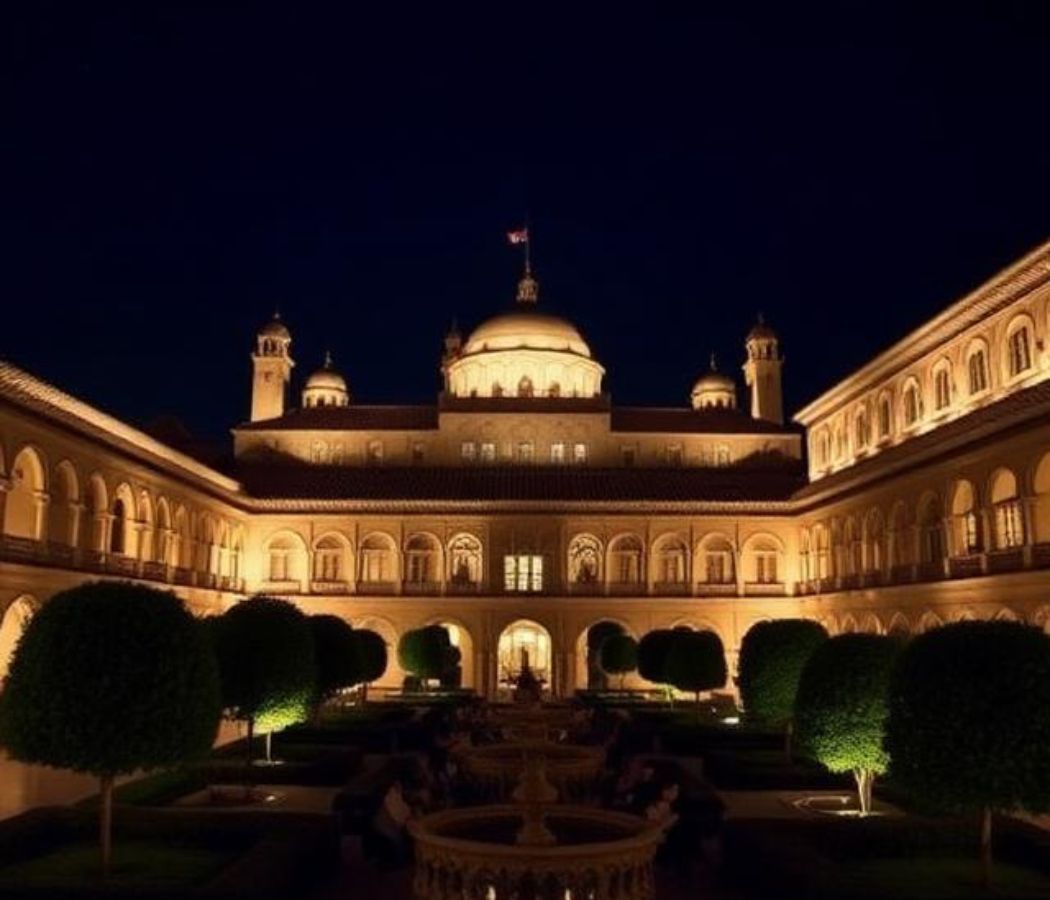
Granada, Spain – As the sun sets over the Sierra Nevada, the ancient walls of the Alhambra Palace don’t close; they transform. The night tour of the Alhambra is widely considered a bucket-list experience—offering moonlit views of the Nasrid Palaces and the Generalife gardens without the crushing daytime crowds.
But beyond the romance of the illuminated archways lies a fascinating economic success story. In an era where mass tourism threatens cultural heritage sites, the Alhambra has mastered the art of “high-value, low-volume” tourism.
If you are a traveler wondering if the night tour is worth the premium, or a industry professional analyzing tourism revenue models, this deep dive into the Alhambra Palace night tour attendance revenue reveals how this UNESCO gem generates millions by doing the opposite of what most attractions do: limiting access.
1. The Numbers: Attendance vs. Exclusivity
To understand the revenue, you must first understand the scarcity. The Patronato de la Alhambra y Generalife strictly caps visitor numbers to preserve the fragile 14th-century stucco work and plasterwork.
-
Total Annual Visitors (Day + Night): Approximately 2.7 to 2.9 million annually.
-
Night Tour Attendance: Roughly 120,000 to 150,000 visitors per year.
This means night tours account for only 5% to 6% of the total foot traffic. You are not just buying a ticket; you are entering a limited club. The capacity per session is strictly enforced, ranging from 200 to 500 visitors depending on the season, compared to the thousands that flow through during the day.
Seasonality & Capacity
-
Peak Season (Summer Weekends): 400–500 visitors per session (sold out weeks in advance).
-
Low Season (Winter Nights): 200–300 visitors per session.
This controlled attendance is the keystone of the pricing strategy. By limiting supply, the Alhambra ensures demand remains high, allowing them to command premium pricing.
2. Revenue Breakdown: From €8 Tickets to €8 Million
There is a common misconception that the night tour is a “budget” option. The data suggests otherwise. While standard daytime general admission hovers around €19–€21, the night tour pricing strategy is nuanced and highly profitable.
How much does a night ticket cost? (2026 Pricing)
-
Nasrid Palaces Night Visit (Adult): Approximately €12.73 – €15.
-
Generalife Gardens Night Visit (Adult): Approximately €7.42 – €12.
-
Granada Card 24h (Night Access): Approximately €50 (bundled with transport & other museums).
Total Revenue Estimates
Here is where the economic magic happens. Despite the low attendance numbers, the revenue contribution is massive.
-
Estimated Annual Night Tour Revenue: €8 Million – €12 Million.
-
Revenue Share: Although night tours represent only ~5% of visitors, they contribute an estimated 15% to 22% of the Alhambra’s total ticket revenue.
Why is the margin so high?
The night tour carries higher operational costs (specialized lighting, security, shorter hours), but the Revenue Per Visitor (RPV) is significantly higher than daytime due to the absence of discounted group tour rates and the inclusion of premium add-ons.
The “High-Net-Worth” Gap
Industry analysts point out that the Alhambra is currently under-monetizing its night product compared to global peers like the Colosseum or the Louvre. While a standard night ticket costs ~€10, private “after-hours” tours command significantly higher rates. Private night tours on platforms like Tripadvisor start at approximately $155 USD (€143) per adult, covering guide fees and skip-the-line access.
3. The Business Model: Why Limiting Access Increases Profit
The Alhambra’s strategy serves as a masterclass in cultural economics. Instead of maximizing volume (which leads to wear-and-tear on the historic fabric and lower visitor satisfaction), the management focuses on Value-Based Tourism.
The Comparative Analysis
| Feature | Daytime Visit | Night Tour |
|---|---|---|
| Annual Attendance | ~2.6 Million | ~120k – 150k |
| Atmosphere | Bustling, hot, crowded | Intimate, cool, quiet |
| Avg. Ticket Price | €14 – €21 | €8 – €15 (Standard) / €150+ (Private) |
| Availability | Sold out daily, high volume | Sold out weeks in advance, scarcity |
| Visitor Satisfaction | High (architecture focus) | Very High (experience/romance focus) |
Source: Analysis of Patronato data & tourism boards.
The “Deterioration Tax”
One critical financial factor often hidden in the revenue discussion is conservation cost. Night tours require artificial lighting and humidity control, which accelerates the decay of the delicate gypsum and stucco work in the Nasrid Palaces. The high revenue margins from night tours are not just profit; they are immediately funneled into micro-restoration projects to combat the physical impact of human respiration and light exposure in the confined spaces of the palaces.
4. Is the Night Tour Right for You? (Visitor Value)
As a travel writer, I often get asked: “Should I do the day or night visit?”
Choose the Night Tour if:
-
You want a romantic or contemplative experience.
-
You hate crowds and want the palace to feel almost private.
-
You are a photographer (the low light creates stunning reflections on the pools).
-
You are visiting in July/August (daytime heat in Granada is intense).
Choose the Day Tour if:
-
It is your first visit; you get to see the Generalife gardens AND the Nasrid Palaces (night tours usually restrict you to either the palaces or the gardens—rarely both).
-
You want a longer visit (the full day complex takes 4-5 hours).
-
You are on a strict budget (the day ticket offers more “square footage” per euro).
5. The Future: Tiered Pricing Coming in 2026/2027?
Current market analysis suggests the current flat-rate pricing for night tours is likely to change. Given the surge in luxury travel demand, expect the Patronato to follow the Louvre and Colosseum model by introducing:
-
Standard Night Access: The current €12-15 ticket (limited slots).
-
“Golden Hour” Premium: €45+ tickets for sunset access with a glass of wine.
-
Private Moonlight Tours: €120+ for groups smaller than 50 people after public hours.
This shift would likely see night tour attendance drop slightly (to maybe 100k visitors) but net revenue increase by 30-40%, further reducing wear and tear while boosting income for conservation.
Conclusion
The Alhambra Palace night tour attendance revenue model proves that less is often more. By capping visits at 150,000 per year, the management has created a scarce, desirable product that generates €8-12 million annually.
For the traveler, this means one thing: Book early. The days of cheap, easy-access night tickets are numbered as the site moves toward an ultra-premium, high-cost preservation model.
Whether you go for the romance of the Court of the Lions under moonlight or the economics of heritage finance, the Alhambra at night remains the gold standard for sustainable tourism.