In the vast and ever‑evolving world of anime and manga, fans do more than just watch and read—they create, reimagine, and expand the stories they love. One of the most fascinating expressions of this passion is Doujin Moe. This term blends independent, fan‑made creation with the deep emotional affection fans feel for adorable characters. Whether you’re a longtime otaku or just curious about Japanese pop culture, exploring Doujin Moe opens a door to a vibrant community where creativity and heartfelt connection go hand in hand. Let’s dive into what Doujin Moe means, where it came from, and why it continues to captivate audiences around the world.
What Is Doujin Moe?
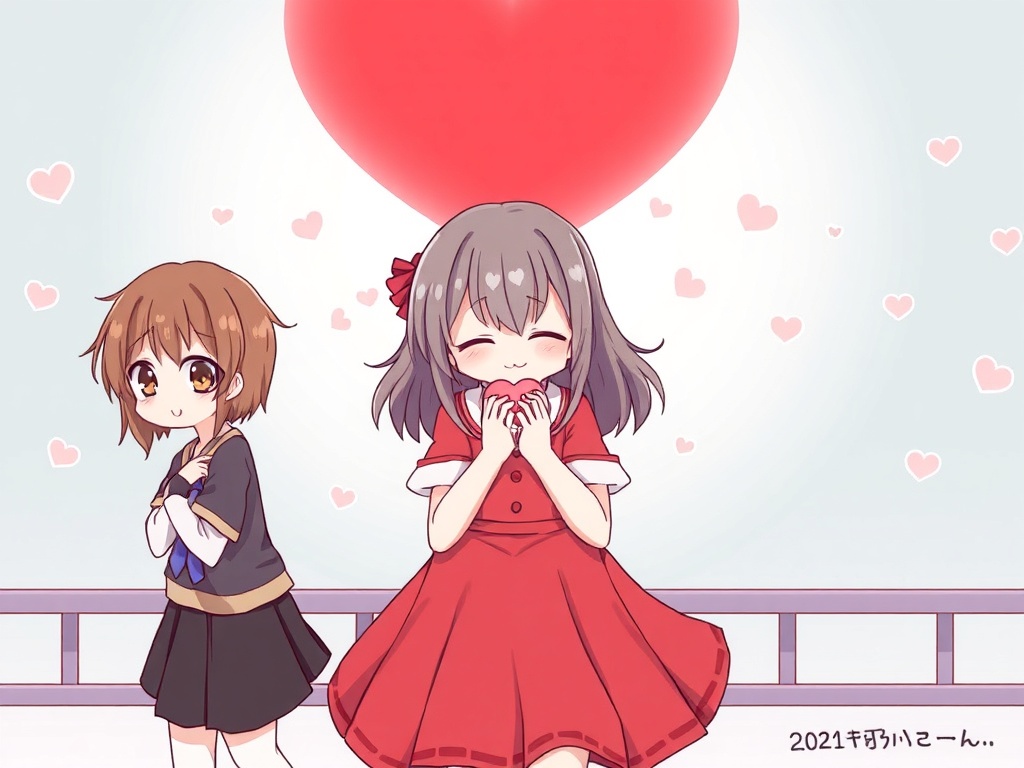
At its simplest, Doujin Moe describes fan‑created works that emphasize cute, endearing, or “moe” characters. The term is a fusion of two Japanese concepts:
-
Doujin (同人) – Self‑published or fan‑made works, such as manga, novels, artbooks, or games, created by amateur artists or small groups rather than large commercial publishers. The word itself translates to “like‑minded” or “same person,” reflecting the collaborative spirit of creators who share a common passion.
-
Moe (萌え) – A slang term that describes a strong feeling of affection, admiration, protectiveness, or emotional attachment toward fictional characters. Although often translated as “cute,” moe runs much deeper—it is the warm, tender feeling you get when you genuinely care about a character’s happiness and wellbeing.
Thus, Doujin Moe can be understood as “fan‑made creations inspired by a sense of affection for fictional characters.” It is the space where independent artistry meets genuine emotional connection.
Interestingly, the term “doujin moe” does not have a single, fixed definition. It has grown organically within online fan communities, functioning more as a shared signal of emotional and creative values than a strict category. One person might use it to describe a soft, pastel fan‑art piece, while another might apply it to a self‑published comic that explores a character’s everyday life. This flexibility is part of its charm—it allows Doujin Moe to adapt and thrive across different mediums and cultural contexts.
The Roots of Doujin Moe
To understand Doujin Moe, we need to look back at the history of doujin culture in Japan.
The Birth of Doujinshi – In the 1970s and 1980s, Japanese fans began creating their own self‑published manga, or “doujinshi,” as a way to reinterpret popular series or experiment with original stories outside the constraints of mainstream publishing. These works were often sold at small gatherings, which eventually grew into massive events like Comiket (Comic Market) in Tokyo, where thousands of artists and fans come together to share their passion.
The Rise of Moe Culture – Around the same time, anime fans started using the word “moe” to describe their emotional bonds with characters. This concept gained momentum in the 1990s and 2000s, as character designs increasingly focused on endearing traits—soft personalities, expressive eyes, and relatable vulnerability. The combination of doujin creativity and moe emotion naturally gave birth to what we now call Doujin Moe.
From Underground to Global – What began as a niche, grassroots movement in Japan has now spread worldwide. Digital platforms like Pixiv, DeviantArt, and social media allow artists from any country to share their work instantly, making Doujin Moe a truly global phenomenon.
Key Characteristics of Doujin Moe
While Doujin Moe encompasses many styles and genres, most works share a set of common artistic and emotional traits.
| Artistic Trait | Description |
|---|---|
| Soft Linework & Gentle Colors | Delicate lines and pastel tones create a warm, inviting, dreamy atmosphere. |
| Expressive Eyes & Faces | Large, detailed eyes and subtle facial cues convey a wide range of emotions—shyness, joy, hesitation, or surprise. |
| Everyday Settings | Stories unfold in relatable, quiet places like classrooms, cafés, small apartments, or city streets, rather than epic battlefields. |
| Character‑Driven Interaction | Emotional tension between characters—friendship, admiration, gentle romance—drives the narrative, not high‑stakes action. |
| Emotional Honesty | The art prioritizes genuine feeling over flashy spectacle. Vulnerability, nostalgia, and quiet affection are central themes. |
Storytelling Themes – Doujin Moe works often explore slice‑of‑life moments, slow‑burn friendships, personal growth, overcoming insecurity, and emotional vulnerability. These intimate, relatable narratives resonate deeply with audiences who are looking for comfort and connection rather than adrenaline‑fueled drama.
Why Fans Love Doujin Moe
The appeal of Doujin Moe goes far beyond cute artwork. Here are some of the key reasons fans are drawn to it:
Creativity Without Boundaries – Doujin artists are not bound by corporate mandates or market trends. They can explore alternate character arcs, develop side stories, create crossovers between different series, or experiment with art styles that mainstream publishers would never approve. This freedom leads to fresh, innovative content that feels personal and authentic.
Emotional Connection – Because doujin artists are often fans themselves, their works resonate deeply with audiences who share the same passions. The “moe” element ensures that every illustration, comic, or game is infused with genuine affection for the characters, making the experience feel intimate and heartfelt.
Community Engagement – Events like Comiket and online platforms foster a strong sense of belonging. Creators and fans interact directly, share feedback, collaborate on projects, and build lasting friendships. This community‑driven environment is one of the most cherished aspects of Doujin Moe.
Exclusive, Collectible Art – Many Doujin Moe pieces are hand‑drawn, limited edition, or sold only at conventions, making them treasured items for collectors. The personal touch found in each piece creates a deeper bond between the artist and the buyer that mass‑produced merchandise simply cannot replicate.
Types of Doujin Moe Works
Doujin Moe covers a wide spectrum of fan‑created content:
-
Manga & Comics – Short stories or serialized comics featuring cute, emotionally resonant characters. This is perhaps the most recognized form of Doujin Moe.
-
Illustrations & Artbooks – High‑quality drawings that showcase moe characters in various scenarios, often collected into beautiful self‑published books.
-
Games & Visual Novels – Independent video games or interactive stories that explore moe narratives. For example, indie games like Moekuri (a strategy RPG featuring over 151 moe characters) and visual novels from doujin circles like Imo Team demonstrate the diversity of this medium.
-
Merchandise & Collectibles – Posters, keychains, figurines, and other items inspired by doujin creations.
-
Music & Audio Projects – Fan‑made songs, soundtracks, or drama CDs related to beloved characters and series.
Where to Find Doujin Moe
Thanks to the internet, Doujin Moe is more accessible than ever:
-
Online Art Communities – Platforms like Pixiv, DeviantArt, and Twitter (X) host millions of doujin moe illustrations, allowing fans to discover new artists daily.
-
Digital Marketplaces – Websites like Booth, Gumroad, and even Steam allow creators to sell e‑doujinshi, digital art packs, and indie games directly to a global audience.
-
Conventions – In‑person events such as Comiket (Tokyo), Anime Expo (Los Angeles), and countless local anime conventions remain vital spaces for buying physical doujin works and meeting creators face‑to‑face.
-
Social Media – Memes, fan edits, and short video reels often showcase moe‑inspired creativity, helping trends spread rapidly across platforms.
Doujin Moe vs. Official Works
How does Doujin Moe compare to commercially produced anime and manga? The differences highlight exactly why fan‑made content holds such a special place in fans’ hearts.
| Feature | Doujin Moe | Official Works |
|---|---|---|
| Creator | Fans, independent artists, small circles | Professional studios, large publishers |
| Storylines | Flexible, experimental, often non‑canonical | Canonical, structured, market‑driven |
| Art Style | Personal, varied, emotionally expressive | Standardized, consistent across episodes/volumes |
| Emotional Appeal | Intimate, fan‑focused, heartfelt | Broad, designed for general audiences |
| Availability | Limited editions, conventions, online stores | Widely distributed through retail channels |
| Pricing | Affordable or variable, often set by the creator | Fixed retail pricing |
As the comparison shows, Doujin Moe offers a personal, fan‑driven experience that official works often cannot replicate.
The Influence of Doujin Moe on Mainstream Culture
Doujin Moe is not an isolated subculture—it has had a profound impact on the anime and manga industry as a whole.
A Talent Incubator – Many professional manga artists and animators began their careers creating doujinshi. The doujin scene serves as a training ground where aspiring creators can hone their skills, build an audience, and gain the confidence to pursue commercial work.
Inspiring Mainstream Trends – Mainstream studios frequently take note of popular doujin art styles and storytelling techniques. Character designs, narrative tropes, and even music scores from the doujin community have found their way into major productions, enriching the overall quality of commercial anime and manga.
A Testing Ground for New Ideas – Because doujin creators operate without corporate oversight, they can experiment with unconventional themes and niche genres that large publishers might consider too risky. When these experiments prove successful, they often influence mainstream trends or even get picked up by professional publishers for wider distribution.
Global Cultural Exchange – While rooted in Japan, Doujin Moe has inspired fan communities worldwide. Artists from different countries blend their own cultural influences with the moe aesthetic, creating a rich, diverse tapestry of global fan art and storytelling.
Challenges and Controversies
Like any creative movement, Doujin Moe is not without its challenges:
Copyright and Legal Issues – Since many doujin works are based on existing intellectual properties, they operate in a legal gray area. While most copyright holders tolerate non‑commercial fan works, there have been notable cases where rights holders took legal action. Such as the Pokémon doujinshi incident in 1999, where an artist was arrested for selling erotic Pokémon fan manga. Creators must navigate this complex landscape carefully.
Explicit Content – Some Doujin Moe works contain mature or explicit themes. While this is a minority of the genre, it has sparked debate about the boundaries of fan expression and the potential impact on the perception of moe culture as a whole.
Perception as “Inferior” Art – Because doujin works are often amateur or self‑published, they can be dismissed as “lesser” than professional art. However, the raw emotion and creative freedom found in many doujin pieces rival—and sometimes surpass—what is produced by big studios.
The Future of Doujin Moe
Looking ahead, Doujin Moe shows no signs of slowing down. Several trends are shaping its evolution:
Digital Revolution – With affordable drawing tablets, powerful art software, and AI‑assisted tools, creating high‑quality doujin works has never been easier. Virtual galleries, VR chat spaces, and interactive storytelling platforms are opening up entirely new ways for fans to experience and create moe content.
Crowdfunding & Direct Support – Platforms like Patreon, Kickstarter, and Fanbox allow fans to support their favorite doujin creators directly, bypassing traditional publishing gatekeepers. This economic model ensures that artists can focus on their passion projects without compromising their vision.
Mainstream Acceptance – As major publishers increasingly recognize the value of indie creativity, we can expect more collaborations between doujin artists and commercial studios. Some successful doujin titles have already transitioned to official releases, proving that grassroots passion can lead to mainstream success.
Continued Global Growth – The international fan base for Doujin Moe will only expand as more people discover the joy of fan‑created art through social media and online marketplaces. This global exchange of ideas and styles will enrich the movement for years to come.
How to Get Involved
Interested in exploring or creating Doujin Moe? Here are a few ways to start:
-
As a Fan – Browse platforms like Pixiv, DeviantArt, or Twitter using hashtags like #doujinmoe, #fanart, or #moe. Attend a local anime convention to buy physical doujinshi and meet artists.
-
As a Creator – Start small! Draw your favorite characters in a soft, expressive style. Write a short comic or a slice‑of‑life story. Share your work online and connect with other like‑minded creators. Remember, Doujin Moe is about passion and emotion, not technical perfection.
-
As a Supporter – Follow your favorite artists on social media, leave encouraging comments, and consider supporting them through crowdfunding platforms. A little recognition can go a long way in keeping the doujin community vibrant and thriving.
Frequently Asked Questions
Is Doujin Moe only about cute girls?
No. While many moe characters are female, the concept of “moe” can apply to any character—male, female, non‑binary, or even anthropomorphized objects and concepts. The key is the feeling of affectionate emotional attachment, not the character’s gender.
Do I need to know Japanese to enjoy Doujin Moe?
Not at all. Many doujin artists share their work with English captions or no text at all. Visual storytelling is a universal language, and the emotional resonance of moe art transcends linguistic barriers.
Is it legal to create Doujin Moe based on copyrighted characters?
This is a complex area. Most Japanese copyright holders tolerate non‑commercial fan works as long as they do not harm the original brand’s image or compete directly with official merchandise. However, selling doujinshi for profit based on someone else’s IP technically infringes on copyright. Many creators operate in this gray zone, relying on the goodwill of rights holders. It is always wise to research the specific policies of the franchise you are working with and to create original characters whenever possible.
What is the difference between “doujin moe,” “doujen moe,” and “dojen moe”?
These are simply different spellings of the same concept. The original Japanese term is “doujin moe.” The variations “doujen” and “dojen” have emerged organically in online communities, reflecting the fluid and informal nature of internet language. All refer to the same blend of fan creation and emotional affection.
Can I make money from my Doujin Moe works?
Yes, many doujin creators sell their works at conventions or through online platforms like Booth, Gumroad, or even Steam (for games). However, if your work is based on existing copyrighted characters, selling it for profit carries legal risks. Many successful doujin creators eventually pivot to creating original characters and worlds. Allowing them to monetize their art without legal concerns.
<h3>Conclusion
Doujin Moe is far more than a niche art style—it is a celebration of creativity, emotional connection, and community. It represents the best of fan culture: the desire to take something you love and make it your own, to pour your heart into a drawing or a story, and to share that joy with others who feel the same way.
<p class=”ds-markdown-paragraph”>Whether you are an artist looking for a space to express your passion, a fan seeking new and intimate interpretations of your favorite characters. Or simply someone who appreciates the warmth of a beautifully drawn, heartfelt scene. Doujin Moe has something to offer. It reminds us that art does not need to be big, loud, or commercially polished to be meaningful. Sometimes, the quietest, most personal creations are the ones that stay with us the longest.
So go ahead—explore a fan‑made comic, try your hand at drawing a moe character, or leave a supportive comment on an artist’s page. In the world of Doujin Moe, every act of creation and appreciation makes the community a little brighter, a little warmer, and a little more connected.
</div>