
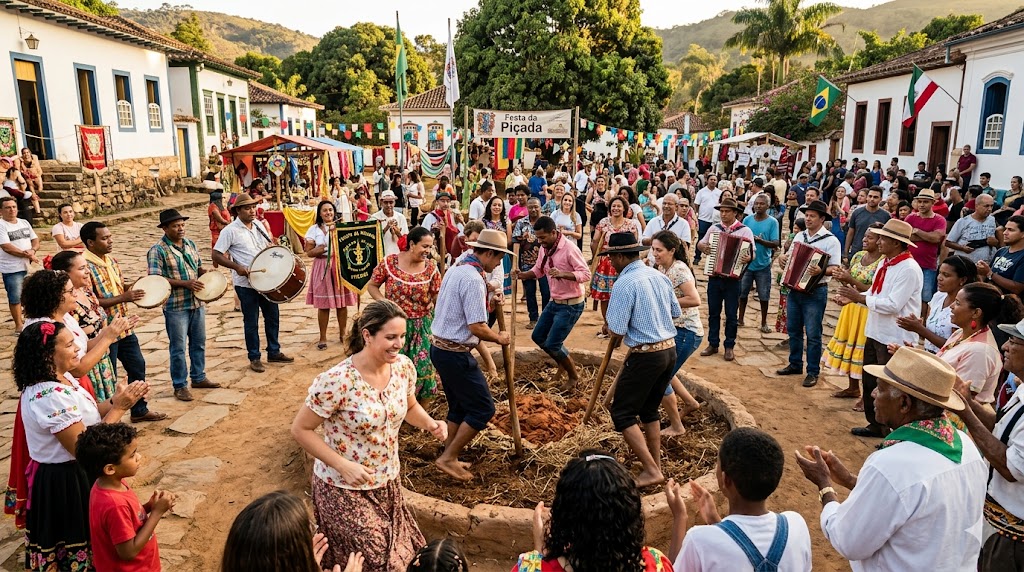
Piçada is a fascinating term that carries cultural, social, and linguistic importance in various contexts. Although not widely known in every region, piçada has gained attention among people interested in local traditions, expressions, and evolving cultural identities. Understanding piçada requires looking beyond a simple definition and exploring the deeper connections it has with communities, communication, and everyday life.
In many cultures, words develop unique meanings over time. Piçada is one such example, reflecting how language evolves through shared experiences and social interactions. Whether used in conversation, storytelling, or cultural discussions, this term continues to spark curiosity among those who encounter it.
The Origin and Background of Piçada
Historical Development
The history of piçada is closely linked to regional language traditions. Like many culturally significant terms, its meaning has been shaped by generations of usage. Communities often create expressions that reflect local experiences, and piçada emerged as part of this natural linguistic evolution.
Over time, the term became associated with specific social situations, making it recognizable within certain groups. While interpretations may vary from one location to another, the underlying cultural value remains an important aspect of its identity.
Linguistic Influence
Language constantly adapts to changing social environments. Piçada demonstrates how words can acquire multiple layers of meaning depending on context. In some settings, it may represent a particular action, while in others it may describe a situation, attitude, or shared understanding among individuals.
This flexibility contributes to the term’s longevity and relevance. Rather than remaining fixed, it continues to evolve alongside the people who use it.
Cultural Importance of Piçada
A Reflection of Community Identity
One reason piçada remains significant is its connection to community identity. Language often serves as a marker of belonging, and unique terms help strengthen cultural bonds. When people use expressions that are familiar within their social circles, they reinforce shared values and traditions.
Piçada can therefore be viewed as more than just a word. It represents a form of cultural expression that connects individuals through common experiences and understanding.
Preserving Local Traditions
Many traditional expressions risk disappearing as globalization introduces new forms of communication. However, terms like piçada help preserve local heritage by keeping regional linguistic traditions alive.
Younger generations who learn and use these expressions contribute to cultural continuity. As a result, piçada plays a role in maintaining connections between past and present communities.
How Piçada Is Used Today
Everyday Communication
In modern society, piçada continues to appear in casual conversations and social interactions. Its meaning often depends on the context in which it is used, making it a versatile part of communication.
People appreciate expressions that efficiently convey emotions, observations, or social situations. Because of its adaptability, piçada remains useful in many forms of dialogue.
Influence on Digital Culture
The rise of social media has created new opportunities for regional expressions to reach wider audiences. Words that were once limited to specific communities can now gain visibility across different regions and countries.
As online platforms encourage cultural exchange, piçada has become more accessible to people who may not have encountered it previously. This increased exposure helps sustain interest in the term and its cultural background.
The Social Value of Piçada
Building Connections
Language plays a powerful role in forming relationships. Shared expressions often create a sense of familiarity and trust among speakers. Piçada contributes to this process by serving as a recognizable cultural reference point.
When individuals understand and use the same terms, communication becomes more meaningful. This shared knowledge can strengthen social bonds and encourage a greater appreciation of cultural diversity.
Encouraging Cultural Awareness
Learning about unique expressions expands understanding of different communities and traditions. Piçada offers insight into how language reflects local perspectives and values.
Exploring such terms encourages curiosity and respect for cultural differences. In an increasingly connected world, this awareness can support stronger intercultural communication and mutual understanding.
Piçada in Modern Cultural Discussions
Growing Interest in Regional Language
There is a growing movement to celebrate regional languages and cultural expressions. Many people recognize the importance of preserving linguistic diversity as part of global heritage.
Within this broader conversation, piçada represents an example of how local terminology contributes to cultural richness. Rather than being viewed as outdated, such expressions are increasingly appreciated for their historical and social significance.
Educational and Research Perspectives
Researchers studying language and culture often examine unique terms to better understand community dynamics. Expressions like piçada provide valuable insights into social behavior, communication patterns, and cultural development.
Educational initiatives that highlight regional vocabulary also help ensure these linguistic elements remain relevant for future generations. By documenting and discussing them, scholars and communities contribute to their preservation.
Challenges Facing Traditional Expressions
The Impact of Globalization
While globalization offers many benefits, it can also place pressure on local languages and expressions. Dominant languages often influence communication habits, leading some traditional terms to become less common.
Piçada, like many culturally specific expressions, may face challenges as communication patterns change. Maintaining awareness and encouraging usage can help prevent the loss of valuable linguistic heritage.
Balancing Tradition and Modernity
Communities often seek ways to preserve cultural identity while embracing modern influences. This balance is essential for keeping traditional expressions meaningful in contemporary society.
By adapting to new contexts without losing their original significance, terms such as piçada can continue to thrive. Their ability to remain relevant demonstrates the resilience of cultural traditions.
Why Piçada Continues to Matter
The continued relevance of piçada reflects the enduring importance of language as a cultural tool. Words carry stories, values, and shared experiences that connect individuals across generations. Even as society evolves, expressions rooted in community identity remain meaningful.
Piçada serves as a reminder that language is not merely a system of communication. It is also a reflection of history, creativity, and collective memory. By understanding and appreciating such terms, people gain a deeper perspective on cultural diversity and human connection.
Conclusion
Piçada represents more than a simple word or expression. It embodies cultural heritage, social interaction, and linguistic evolution. Through its continued use in conversations, cultural discussions, and digital spaces, the term remains a valuable part of community identity.
As interest in regional traditions grows, piçada stands as an example of how language preserves history while adapting to modern life. Recognizing its significance encourages greater appreciation for cultural diversity and highlights the powerful role that words play in shaping human experiences.