If you own a 2011–2016 Chevrolet Silverado or GMC Sierra with the 6.6L Duramax diesel engine, you’ve likely heard a phrase that strikes fear into the heart of any truck owner: CP4 fuel pump failure.
Here’s a scenario that plays out in repair shops across the country every single week. You’re cruising down the highway, towing a 10,000-pound trailer, and suddenly the engine sputters. The “Service Fuel System” light flashes. You coast to the shoulder. The tow truck arrives. And then the mechanic delivers the gut punch: “Your CP4 pump grenaded. You’ll need a full fuel system replacement.”
The estimate? $10,000 to $14,000.
For years, owners have cried foul, arguing that GM knew about the CP4’s fatal flaw but sold the trucks anyway. That frustration has now solidified into a major class-action lawsuit. In this guide, we’ll cut through the legal jargon, give you the real-world facts as of 2026, and help you decide what to do next—whether you’re a current owner, a used buyer, or simply a diesel enthusiast.
Background / Context: What Is the CP4 Fuel Pump and Why Does It Fail?
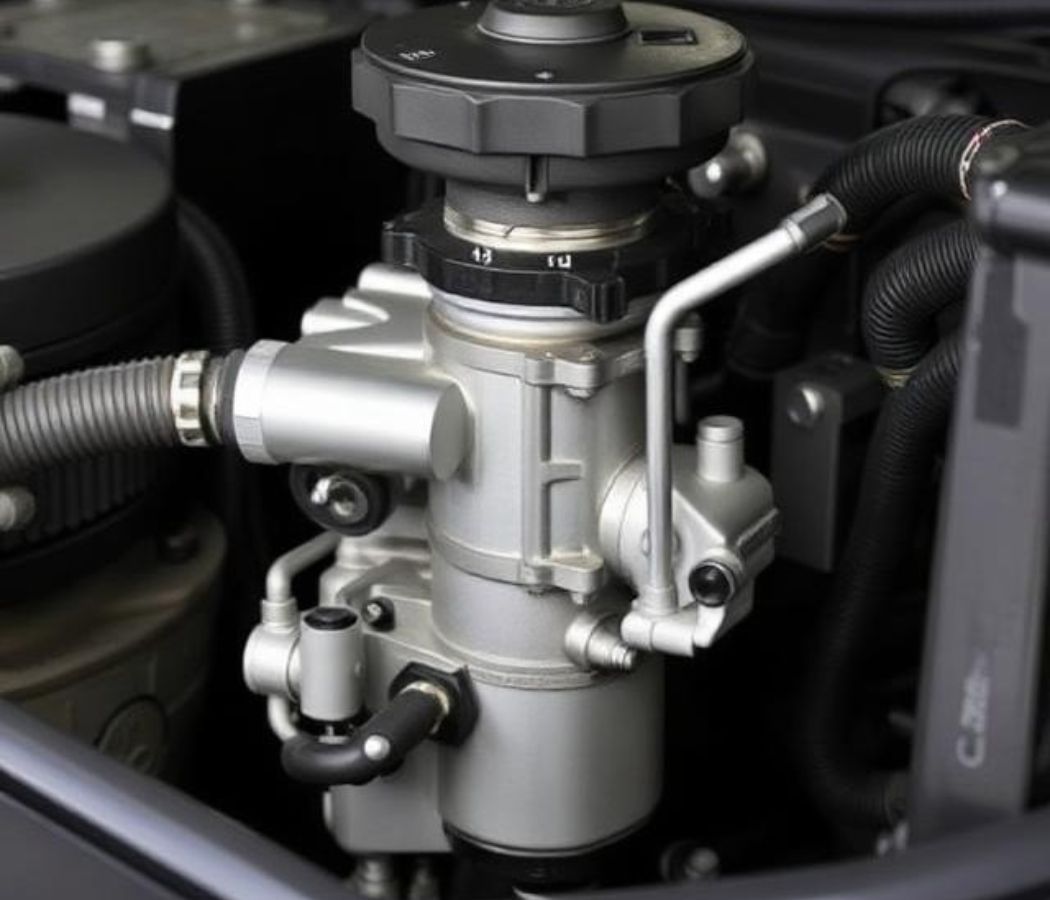
Before we dive into the lawsuit, let’s talk hardware. The CP4 (Bosch CP4.2) is a high-pressure fuel pump used in many modern diesel engines—from Ford Power Strokes to GM Duramax and even some European sedans. It replaced the older, more reliable CP3 pump in GM trucks starting around 2011.
How it works (the simple version): The CP4 uses a single plunger and a roller that rides on a camshaft lobe inside the pump. It needs superb lubrication to survive. In a diesel engine, the fuel itself is the lubricant. That’s the first red flag.
The fatal flaw: When the CP4 experiences even a tiny amount of air, water contamination, or fuel starvation, the internal roller can “skip” or seize. When it does, it shatters into tiny metal fragments. Those fragments then race through your fuel system—destroying injectors, fuel rails, lines, and the fuel tank itself. This isn’t a “replace the pump” failure. It’s a replace everything the fuel touches failure.
Why Did GM Use the CP4 Instead of the Bulletproof CP3?
The CP4 was chosen primarily for emissions compliance and higher injection pressure (up to 30,000 psi). It atomizes fuel better, which helps reduce particulate matter and improves cold-start performance. From an engineering standpoint, it wasn’t a bad idea—on paper. In the real world, it proved fragile.
GM switched back to a modified CP3 for the 2017+ L5P Duramax, which tells you everything you need to know. The CP4 was quietly phased out, but millions of trucks remain on the road with ticking time bombs under the hood.
The Heart of the Matter: The CP4 Fuel Pump Lawsuit Against GM
What Lawsuit Are We Talking About?
The primary federal class-action lawsuit is In re: General Motors LLC Duramax Diesel Fuel Pump Litigation, Case No. 2:21-cv-11515 (E.D. Mich.). It consolidates dozens of individual complaints from Silverado and Sierra owners (model years 2011–2016) who experienced catastrophic CP4 failures.
Key allegations:
-
Design defect: GM knew or should have known that the CP4.2 pump was prone to “catastrophic, sudden, and unpredictable failure.”
-
Failure to warn: Owners were never told that using certain biodiesel blends (B20) or low-quality diesel could dramatically increase failure risk.
-
Unconscionable repair costs: GM allegedly refused to cover repairs under warranty, claiming “fuel contamination” or “owner neglect,” even when owners used proper fuel.
-
Economic loss: Plaintiffs argue that the defect reduces the resale value of their trucks, even before failure occurs.
Settlement Status as of 2026 – The Latest Update
Here’s where many online articles get it wrong. A final nationwide settlement has NOT been fully approved yet, but there have been major developments.
-
December 2024: GM agreed to a proposed settlement covering certain 2011–2016 Duramax trucks. The settlement does not admit wrongdoing, but it offers:
-
A special extended warranty on the CP4 pump (up to 120,000 miles or 10 years from the original in-service date).
-
Reimbursement for out-of-pocket repairs for owners who already paid for a CP4 failure—subject to strict documentation and a cap (typically around $8,000–$9,000).
-
A free inspection of the fuel pump at participating dealers, plus a software update designed to detect “abnormal pump wear” earlier.
-
-
March 2025: The court granted preliminary approval but noted concerns about the reimbursement cap being too low for full system replacements. A fairness hearing was scheduled for late 2025.
-
As of early 2026: The settlement is still in final approval stages. Owners can file claims, but payments are not yet being distributed. Some owners have opted out to pursue individual lemon law or breach-of-warranty claims—with mixed success.
Important nuance: This settlement does NOT cover all CP4 failures. If you used biodiesel above B20, tuned your truck, or missed scheduled fuel filter changes, GM can (and will) deny your claim. They’re looking for “contributory negligence.”
What About Ford and Ram? (A Quick Comparison)
Ford faced similar CP4 lawsuits for its 6.7L Power Stroke (2011–2016) and ended up with a $1.2 billion class settlement in 2023 that included reimbursements and extended warranties. Ram (Cummins) also settled. GM is following the same playbook but with tighter restrictions. This context matters: GM isn’t unique in its failure—but its settlement is less generous than Ford’s was.
In-Depth Analysis: Why This Lawsuit Matters More Than Just Money
1. The Hidden Cost of “Repair Denial”
Most owners don’t realize that a CP4 failure often takes out the fuel tank module, low-pressure pump, and all six injectors. GM’s initial stance was to cover only the pump itself under powertrain warranty—leaving owners with a $4,000 parts bill for injectors. The lawsuit forced GM to acknowledge that “the pump failed because of the pump,” not because of outside contamination.
2. The Biodiesel Trap
Buried deep in your owner’s manual: GM says B20 biodiesel is “acceptable” but only if it meets ASTM D7467. In practice, many fuel stations sell B20 that’s older, water-logged, or improperly stored. Water in biodiesel is a CP4 killer. The lawsuit revealed internal GM emails where engineers flagged this as a “significant and known risk” but marketing pushed ahead with “B20 compatible” labeling.
3. The Aftermarket “Fix” That GM Didn’t Offer
While the lawsuit was brewing, a cottage industry emerged. Shops like Dirty Hooker Diesel, S&S Diesel Motorsport, and Fleece Performance began selling CP3 conversion kits for the LML Duramax. For $2,500–$4,000 in parts and labor, you can rip out the CP4 and install a CP3 pump that will likely outlast the truck. The lawsuit’s proposed settlement does not cover CP3 conversions—only repairs that replace with another CP4. That’s a huge oversight critics have pointed out.
Practical Tips / Actionable Advice (For Owners Right Now)
You don’t have to wait for a judge’s gavel to protect yourself. Here’s what you can do today:
✅ Step 1: Check if You’re in the Class
-
Affected trucks: 2011–2016 Chevy Silverado 2500HD/3500HD and GMC Sierra 2500HD/3500HD with the 6.6L Duramax (RPO code LML).
-
Not affected: 2017+ L5P trucks, 2010 and older LMM/LBZ trucks, or gas engines.
✅ Step 2: Gather Your Paperwork
If you’ve already paid for a CP4 repair, find every invoice. You’ll need:
-
Repair order showing pump failure
-
Fuel filter change records
-
Fuel purchase receipts (yes, seriously—this is the hardest part)
✅ Step 3: Consider a Proactive CP3 Conversion
If you plan to keep the truck past 150,000 miles, the CP4 is a liability. A CP3 conversion is cheaper than a full system replacement after failure. Budget $3,000–$4,000 installed. Many shops offer lifetime warranties on the conversion.
✅ Step 4: Install an FASS or AirDog Fuel Lift Pump
This is a $700–$1,200 aftermarket add-on that removes air and water from fuel before it reaches the CP4. It’s not a cure-all, but it significantly reduces risk. The lawsuit noted that GM never offered this, even as a dealer-installed option.
✅ Step 5: File a Claim (If Applicable)
Go to the official settlement website (search “Duramax CP4 settlement administrator”). As of 2026, claims are open but payments are pending final approval. File anyway to lock in your spot. Deadline expected sometime in late 2026.
Common Mistakes & Challenges + Solutions
| Mistake | Why It Hurts | Solution |
|---|---|---|
| Ignoring early warning signs (hard start, loss of power, metal in fuel filter) | The pump is already failing. Every mile spreads more metal. | Stop driving. Tow to a diesel specialist. |
| Using cheap fuel from low-volume stations | Old or water-contaminated fuel kills CP4 lubrication. | Stick to high-volume truck stops. Test for water with a $20 diesel test kit. |
| Waiting for the lawsuit to pay out before repairing | GM’s settlement won’t reimburse a towed truck sitting for 6 months. | Pay for repair now, file for reimbursement later. |
| Installing a “disaster prevention kit” only (a $200 add-on that catches metal after failure) | It saves the injectors but not the pump. The pump still grenades. | Do the CP3 conversion or add a lift pump proactively. |
| Tuning for power without upgrading the fuel system | Extra fuel demand stresses the CP4 beyond its design limit. | If you tune, you must do a CP3 conversion first. |
Pros, Cons & Balanced Analysis of the Lawsuit
Pros (Why the Lawsuit is a Win for Owners)
-
Forces transparency: GM now has to track and report CP4 failures to the court.
-
Partial reimbursement: Owners who spent $12k on repairs might get $8k back. That’s real money.
-
Extended warranty: For trucks under 120k miles, you get peace of mind (with a CP4 replacement, not a CP3 upgrade).
-
Sets precedent: Future diesel pump designs will be scrutinized more carefully.
Cons (Where the Settlement Falls Short)
-
Reimbursement cap is often less than actual repair cost. Many shops charge $13k+ for full fuel system jobs.
-
Still replaces with another CP4 under warranty. No CP3 option from GM.
-
Strict documentation rules exclude owners who didn’t save every fuel receipt.
-
Excludes modified trucks – if you have a tune or aftermarket air intake, your claim is automatically denied.
-
Slow process – as of 2026, no cash has been paid out yet.
The Uncomfortable Truth
*“The CP4 lawsuit is a bandage on a bullet wound. Even if you get reimbursed, you’re still driving a truck with a flawed pump. The only long-term fix is aftermarket.”* — Anonymous diesel shop owner, Idaho, 2025.
Future Trends & Predictions (2026–2030)
1. More States Will Pursue Individual Consumer Lawsuits
Class-action settlements cap payouts. Attorneys are now filing state-level breach of warranty suits in Texas, Florida, and California, where consumer protection laws are stronger. Watch for a second wave of litigation focused on emotional distress and loss of use for commercial owners (e.g., a rancher who lost 3 weeks of work).
2. GM May Offer a “Voluntary CP3 Retrofit” – For a Price
If the CP4 failure rate stays high (some shops report 15–20% of LML trucks fail by 150k miles), GM might launch a customer-pay CP3 conversion program to avoid a second lawsuit. Don’t expect it to be free—$5,000–$6,000—but it would be dealer-backed.
3. Insurance Adjusters Will Start Asking About Fuel Pumps
Progressive and State Farm have already begun flagging CP4-equipped Duramax trucks as “higher risk” in some regions. Future comprehensive policies may exclude “catastrophic fuel system failure” unless you can prove proactive mitigation (e.g., CP3 conversion or lift pump). Read your fine print.
4. The Used Market Will Split
By 2027, expect two prices for 2011–2016 Duramax trucks:
-
CP4 still installed: $4,000–6,000 less than market average.
-
CP3-converted: Sells at a premium, especially with documentation.
If you’re shopping for a used diesel today, a CP3 conversion is a bargaining chip that pays for itself.
Key Takeaways (Quick Summary Box)
What You Need to Remember
The CP4 fuel pump in 2011–2016 Chevy Silverado & GMC Sierra 6.6L Duramax can fail catastrophically, causing $10k–14k in damage.
A class-action lawsuit against GM is in final approval stages as of 2026. Reimbursements are possible but not guaranteed.
Proactive fixes (CP3 conversion, lift pump) are more reliable than waiting for failure.
Do not ignore early symptoms – hard start, rough idle, or metal flecks in the fuel filter.
Keep all fuel and maintenance records if you want to file a claim.
The settlement does not cover modified trucks, B20 use without receipts, or CP3 conversions.
Best long-term play: Convert to CP3 now, file for reimbursement later, and enjoy 300,000+ miles of worry-free diesel.
Final Word from the Author
The CP4 lawsuit isn’t a lottery ticket. It’s a hard-won acknowledgment that GM sold a flawed product. If you own one of these trucks, don’t let anger paralyze you into inaction. The best revenge is a truck that doesn’t leave you stranded. Get the CP3 conversion, install a lift pump, and keep driving.
And if you’re shopping for a used Duramax? Ask one question before you hand over cash: “Has the CP4 been replaced with a CP3?” If the seller says no, you know exactly how much negotiation room you have.