Nestled away from the bustling noise of modern tourism lies a destination that feels like a secret whispered among travelers: Beit Bart. While it may not yet appear on every standard itinerary, this location is rapidly gaining recognition as a profound cultural hub where history, architecture, and community intertwine.
But what exactly is Beit Bart? Depending on who you ask, it is either a picturesque historical village preserving ancient traditions, a vibrant community center dedicated to the arts, or a culinary destination that defines “farm-to-table.” In reality, Beit Bart is an enchanting fusion of heritage, tradition, and fellowship that offers a unique window into a rich, layered past.
Whether you are a history buff, an adventure seeker, or a foodie, this guide will walk you through the meaning, history, and must-see highlights of Beit Bart.
The Meaning and Origins
To truly understand Beit Bart, you must start with its name—a linguistic key that unlocks its soul. The term “Beit” translates to “house” in both Arabic and Hebrew, signifying a place of dwelling or gathering.
The second part, “Bart,” is often interpreted as referring to the son or a descendant, but some of the most compelling research suggests a more agrarian origin. In local dialects, Beit Bart is believed to mean “House of Barley”. Barley, one of the first cultivated grains in the Fertile Crescent, represents sustenance, fertility, and a deep connection to the land.
Thus, the name itself evokes a sense of family rooted in the earth—a “House of Sustenance.” This naming convention is common in the Middle East, but Beit Bart stands out because it has maintained this agricultural identity for centuries.
A Walk Through History: From Ancient Crossroads to Modern Preservation
The history of Beit Bart is a tapestry woven with threads of resilience. It is believed to have been established as a communal agricultural settlement hundreds of years ago, situated strategically along ancient trade routes.
The Crossroads of Civilizations
Because it served as a stopping point for traveling caravans, Beit Bart naturally became a melting pot. Archaeological studies suggest that various ethnic influences passed through the area, leaving marks on the local dialects, cuisine, and artisan crafts that are still visible today.
Unlike many villages that bulldozed the old to make way for the new, the inhabitants of Beit Bart took a different path: preservation. They chose to pace their modernization consciously, effectively turning the village into a “living museum.” The walls here have absorbed countless stories—from joyous harvest festivals to solemn gatherings during times of regional strife.
Architectural Identity: Stones That Speak
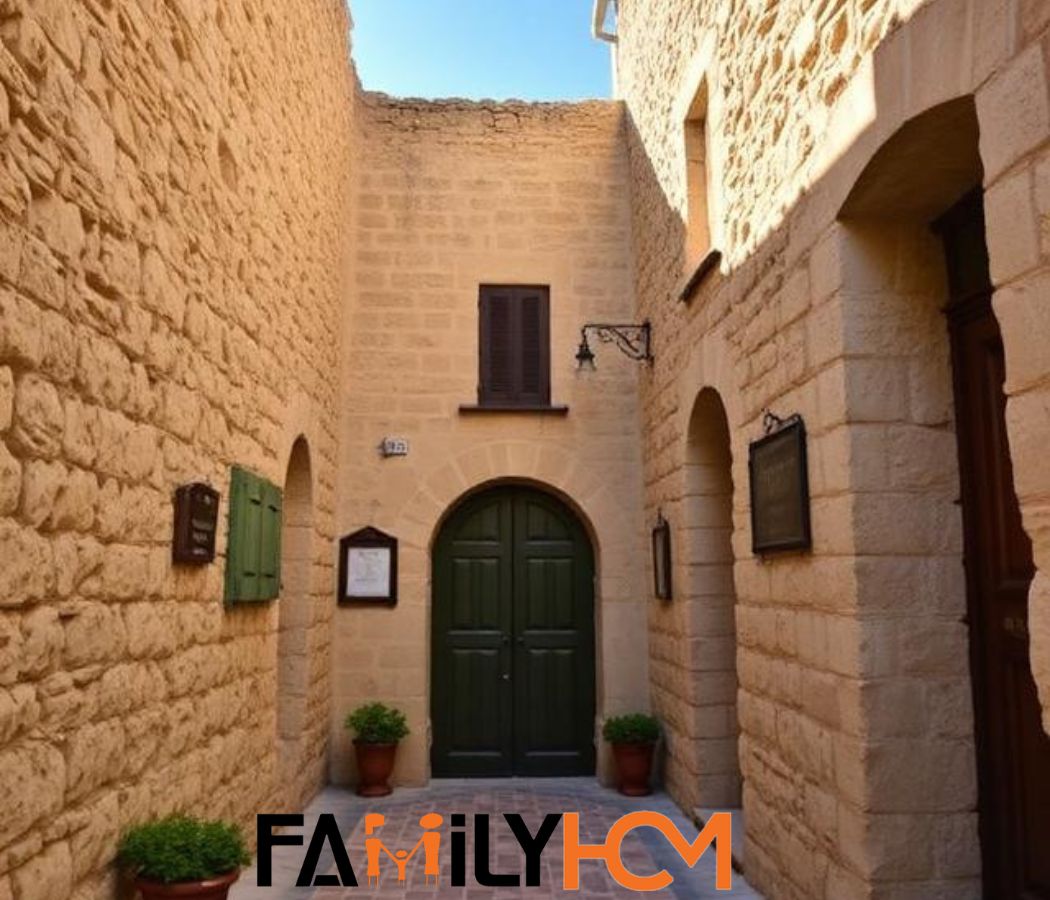
If Beit Bart is a book, its architecture is the narrative. The village is renowned for its vernacular architecture, characterized by the use of locally sourced limestone.
Key Architectural Features
-
Thick Walls and Arched Doors: These are not just aesthetic; they are designed to keep the interiors cool in the summer and warm in the winter.
-
The Mafraj (Social Hall): Almost every traditional home features a distinct “Mafraj”—a guest reception room. Usually situated on an upper floor with large windows, this room offers panoramic views of the surrounding valleys and is dedicated to community discussion and hospitality.
-
Ancient Olive Oil Presses: Hidden beneath some of the older buildings are underground presses that still operate seasonally. This offers a rare, tangible link between ancient technology and modern tradition.
The layout of the village is deliberate; houses cluster around communal courtyards, promoting interaction and family closeness. As you wander the cobblestone streets, keep an eye out for the intricate iron balconies and the vibrant tile work that adorn the facades.
Cultural Significance: The Living Traditions
Beit Bart is not a ghost town; it is a living, breathing community that actively preserves its intangible heritage. For the locals, this place is more than a tourist spot; it is the heart of their identity.
Festivals and Folklore
One of the most vibrant times to visit is during the spring festival known as “Rizq el-Ard” (Blessing of the Earth). During this event, villagers gather to plant symbolic seeds, accompanied by ancient chants meant to summon abundance and harmony. It is a spiritual and agricultural ritual that predates modern religions.
The community also places a high value on oral storytelling. The elders of Beit Bart are the keepers of the village’s memory, passing down heroic tales, proverbs, and folk songs. One popular local proverb states: “Al-hajar ma byekssir ila min haytou” (“A stone only breaks from its own vein”), emphasizing the community’s focus on internal strength and self-reliance.
Culinary Delights: A Taste of the “House of Barley”
No visit to the “House of Barley” would be complete without indulging in its culinary offerings. Whether you are visiting the original village or the modern cultural hub in the city (often described as a “culinary gem” inspired by the village), the food is a highlight.
What to Eat
-
Kibbet Bartiyeh: A unique variant of the classic kibbeh, this dish uses locally grown nuts and wild herbs specific to the Beit Bart region.
-
Stone-Ground Bread: Many family-run establishments still bake bread in old stone ovens, using barley flour—a direct nod to the village’s name.
-
Farm-to-Table Freshness: In the modern interpretations of Beit Bart (like the community-driven restaurants in urban settings), the menu focuses on locally sourced ingredients. Seasonal vegetables and slow-cooked stews dominate the menu.
Dining here is not just about eating; it is about community. Meals are often long, social affairs that take place in courtyards or family-style tables.
Modern Interpretations: The Urban Beit Bart
It is important to note that “Beit Bart” has evolved. In recent years, the name has also been adopted by a mission-driven organization in the heart of a major city. Inspired by the village’s communal values, this modern establishment combines art, food, and social initiatives.
Led by figures like founder Sarah Johnson and Chef Maria Rodriguez, this version of Beit Bart focuses on inclusivity and creativity. It acts as a gallery, a test kitchen, and a venue for social change. The “Urban Beit Bart” proves that the concept of the “House” is not limited by geography; it is a mindset of hospitality and connection.
Travel Guide: How to Experience Beit Bart
If you are planning a visit to the original village of Beit Bart, timing and preparation are everything.
Best Time to Visit
The ideal seasons are spring and autumn. The weather during these months is mild and pleasant, perfect for hiking the nearby trails. Summers can be hot, while winters bring a romantic chill to the stone streets, though some mountain paths may be muddy.
Essential Tips
-
Wear Sturdy Shoes: The cobblestone streets, while beautiful, can be slippery and uneven. You will want supportive footwear to explore the ancient ruins and hillside paths.
-
Engage with Locals: The true magic of Beit Bart is found in conversation. Locals are proud of their heritage and often share anecdotes and historical context you won’t find in any guidebook.
-
Stay Local: If possible, opt for a homestay or a boutique hotel run by a local family. This provides an immersive experience, often including home-cooked meals.
-
Photography: Bring a camera with good low-light capabilities. The interiors of the stone houses and the narrow alleyways create stunning plays of light and shadow.
Unique Experiences
-
Weaving Workshops: Learn traditional weaving techniques from local women who use patterns inspired by local flora.
-
Guided Heritage Walks: Many local youth offer tours that explain how the architecture of Beit Bart has evolved over the centuries.
-
Hiking: The hills surrounding the village offer breathtaking views of historically significant trade routes and valleys.
Conclusion
Beit Bart is more than a dot on a map. It is a philosophy of living. It represents the rare place in our fast-paced world where history is not discarded but built upon, where family is not just relatives but the entire community, and where the past is preserved not in glass cases but in daily life.
From the ancient olive presses buried beneath limestone houses to the vibrant plates of Kibbet Bartiyeh served in welcoming courtyards, Beit Bart offers a sensory journey through time.
Whether you visit the rustic original village or the inspired urban collective, you are stepping into a “House” that welcomes all who seek meaning, beauty, and connection. It is a hidden gem waiting to be discovered—a place where every stone has a story, and every meal is a celebration of life.