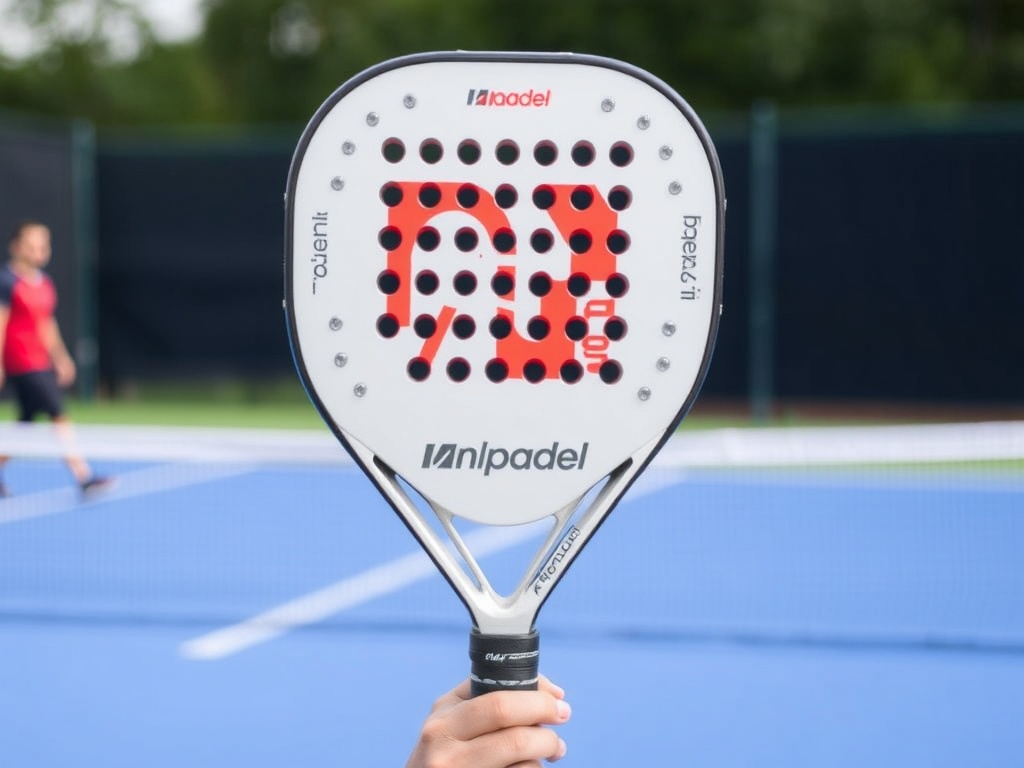
Whether you’re a racket sports fan or a tech enthusiast, you’ve probably come across the term “NLPadel” and wondered what it’s all about. The truth is, it’s one of those unique terms with two very exciting meanings. On one hand, it represents the explosive growth of padel in the Netherlands. On the other, it points to a fascinating new frontier where artificial intelligence meets sports analytics. This guide will break down both sides of NLPadel, showing you why it’s a term worth knowing.
What is NLPadel? The Two Meanings Explained
To truly understand NLPadel, you need to look at it from two different angles: the sports community and the tech world.
NLPadel as “Netherlands Padel”
The most common and straightforward interpretation of NLPadel is as shorthand for “Netherlands Padel”. The “NL” is the internationally recognized code for the Netherlands, and when combined with “padel,” it refers to the entire Dutch padel ecosystem.
This isn’t a single organization but rather a broad term that covers everything related to the sport in the country, including:
-
Clubs and Facilities: From Amsterdam to Eindhoven, “NLPadel” encompasses the growing network of indoor and outdoor padel courts.
-
Players and Community: It represents the thousands of recreational and competitive players who make up the Dutch padel scene.
-
Competitions and Tournaments: It includes local ladders, national leagues, and the “nl padel ranglijst” (ranking list) used to track player progress.
-
Digital Tools: Crucially, the term is also linked to the official digital home for the sport in the Netherlands, which you can find at nlpadel.nl. This is the central hub for rules, competitions, and events.
NLPadel as “Natural Language Processing for Padel”
In a more forward-looking context, NLPadel refers to the exciting intersection of Natural Language Processing (NLP) with the sport of padel. NLP is a branch of artificial intelligence that gives computers the ability to understand, interpret, and generate human language. So, “NLPadel” is about applying these language-based AI models to the world of padel.
Imagine using AI to analyze thousands of match commentaries to identify winning strategies, or to automatically translate a coach’s post-match notes into a simple, personalized report for a player. That’s the promise of NLPadel.
🇳🇱 NLPadel as Netherlands Padel: The Rise of a Sporting Phenomenon
Understanding the “Netherlands Padel” meaning requires a look at why the sport has become such a sensation in the country. Its growth can be attributed to a perfect mix of accessibility, culture, and smart use of space.
Why Padel Exploded in the Netherlands
Padel’s origins date back to Mexico in the 1960s, and it found a massive following in Spain and Argentina before spreading across Europe. The Netherlands has proven to be fertile ground for the sport for several key reasons:
-
Accessibility: Unlike tennis, which can have a steep learning curve, beginners can enjoy a fun rally in their very first session. The court is smaller and the walls keep the ball in play longer, making it less frustrating for newcomers.
-
Social Nature: Padel is almost always played in doubles, making it an inherently social and team-oriented activity. This fits perfectly with the Dutch club culture, which values community and participation.
-
Efficient Use of Space: Padel courts are smaller than tennis courts, making them easier to fit into dense urban areas. This allows clubs to install courts in converted warehouses or alongside existing tennis facilities.
-
Weather Resistance: The rise of indoor padel facilities means the infamous Dutch weather is no longer a barrier to playing, allowing the sport to thrive year-round.
How the Dutch Padel Ecosystem Works
The infrastructure for padel in the Netherlands is robust and player-friendly. The Royal Dutch Lawn Tennis Association (KNLTB) has fully integrated padel into its operations, providing a massive boost to the sport’s professionalization and organization.
Here’s a quick look at how it all works:
| Feature | Description |
|---|---|
| Finding Courts | Most clubs use apps like Playtomic or the KNLTB’s own platform to find and book courts in real-time across the country. |
| Membership & Play | Players can choose from flexible options, including annual memberships, pay-per-play passes, or training packages with licensed coaches. |
| Competitions | The KNLTB organizes national leagues and tournaments with clearly defined levels, ensuring players of all skill levels can find a competitive match. |
| Coaching & Learning | Professional coaching is widely available for those looking to improve their “nlpadel speelsterkte” (playing strength) and learn advanced techniques. |
Mastering the Game: Key NLPadel Techniques
Whether you call it padel or NLPadel, mastering the fundamentals is key to enjoying and excelling at the sport. Here are essential techniques for every aspiring player.
Essential Techniques for Beginners
Building a solid foundation is crucial for long-term success and enjoyment. Focus on these core areas:
-
Grip and Stance: The continental grip is highly recommended as it offers versatility for different types of shots. Combine this with a balanced, athletic stance to be ready for anything.
-
Footwork: Quick, lateral movements are critical for positioning yourself correctly to strike the ball. Good footwork enhances your reach and helps you maintain balance during play.
-
Basic Shots: Start by mastering the fundamental shots: forehands, backhands, and volleys. Prioritize consistency and accuracy over power to build a reliable game.
Advanced Strategies for Experienced Players
Once you’ve mastered the basics, you can elevate your game with more sophisticated techniques:
-
Master the Volley: Having quick reactions and solid volleying skills at the net can completely turn a match in your favor.
-
Court Positioning: Learn to read your opponent’s shot and anticipate where to move. Knowing when to advance to the net or retreat to the back of the court provides a significant strategic advantage.
-
Deceptive Shots and Spin: Incorporate deceptive shots to throw off your opponent’s timing. Experimenting with topspin or slice on your serves and groundstrokes adds complexity to your game and keeps your opponents guessing.
The Mental Game: Strategies for Success
Physical skill is only half the battle. Mental resilience is what separates good players from great ones on the padel court.
-
Visualization: Before executing a shot, take a moment to visualize it in your mind. This mental rehearsal strengthens your confidence and improves your execution.
-
Positive Self-Talk: Replace doubts with positive affirmations. A simple mantra like “I am ready” can help shift your mindset and keep you focused during tough points.
-
Develop a Routine: A consistent pre-match routine can help calm your nerves, sharpen your focus, and prepare you mentally for the competition ahead.
Avoiding Common Pitfalls
Many new players make similar mistakes. Being aware of them can help you improve faster and avoid bad habits.
-
Poor Footwork: Relying too much on your upper body strength can limit your movement. Focus on staying light on your feet and making quick adjustments during rallies.
-
Lack of Communication: Padel is a doubles game. Silence leads to confusion and missed opportunities. Develop clear verbal cues or hand signals to coordinate with your partner.
-
Poor Positioning: Always be aware of where you are standing in relation to the net and your opponents. Small adjustments in your positioning can have a big impact on your shot placement and defense.
NLPadel as Tech: The Future of Sports Analytics
Now, let’s explore the second, more futuristic meaning of NLPadel: the application of Natural Language Processing to the sport. This is where data science meets racket sports.
What is Natural Language Processing?
At its simplest, Natural Language Processing (NLP) is the technology used to help computers understand, interpret, and manipulate human language. It’s the AI behind your email’s spam filter, your phone’s predictive text, and language translation apps. When applied to padel, NLP can analyze vast amounts of text-based data to extract valuable insights.
Potential Applications in Padel
The potential applications of NLP in padel are vast and could revolutionize how the sport is played, coached, and consumed:
-
For Players: Imagine receiving instant, personalized reports derived from your coach’s notes or even post-match commentary. NLP could break down complex feedback into simple, actionable steps for improvement.
-
For Coaches: NLP could automate the tedious task of summarizing performance data, saving coaches hours of time. It could also analyze players’ own language and emotional patterns from interviews or journals to provide deeper psychological insights.
-
For Fans: NLP could power real-time, multilingual commentary for live matches, making padel accessible to a global audience. It could also generate interactive experiences where an AI explains on-court strategies in real-time.
-
For Organizations: Clubs and federations could use NLP to analyze fan conversations on social media, gaining powerful marketing insights to improve fan engagement and guide strategic decisions.
Challenges and Considerations
While the potential is exciting, applying NLP to a specific sport like padel comes with its own set of challenges:
-
Data Quality: AI models require large amounts of clean, accurate, and context-rich data to function properly. Garbage in means garbage out.
-
Interpretability: Translating the complex output of an AI model into simple, actionable advice for a coach or player can be tricky.
-
Cultural Nuance: Padel is a global sport. NLP models would need to be adapted to understand the different languages, slang, and cultural expressions used by players in different regions.
-
Cost and Scalability: Developing and maintaining reliable NLP systems for a niche sport can be resource-intensive, though costs are decreasing as the technology becomes more widespread.
Final Thoughts
So, what is NLPadel? It’s a term that perfectly captures two distinct but equally exciting stories. One is the real-world, grassroots explosion of a fun, social, and accessible sport in the Netherlands. The other is a glimpse into a high-tech future where AI and data analytics transform how athletes train, coaches instruct, and fans engage with their favorite game.
Whether you’re picking up a padel racket for the first time at a local club in Amsterdam or dreaming of using AI to analyze match strategies, the world of NLPadel has something to offer. It’s a dynamic concept that shows how a sport can grow through community and be reimagined through technology.