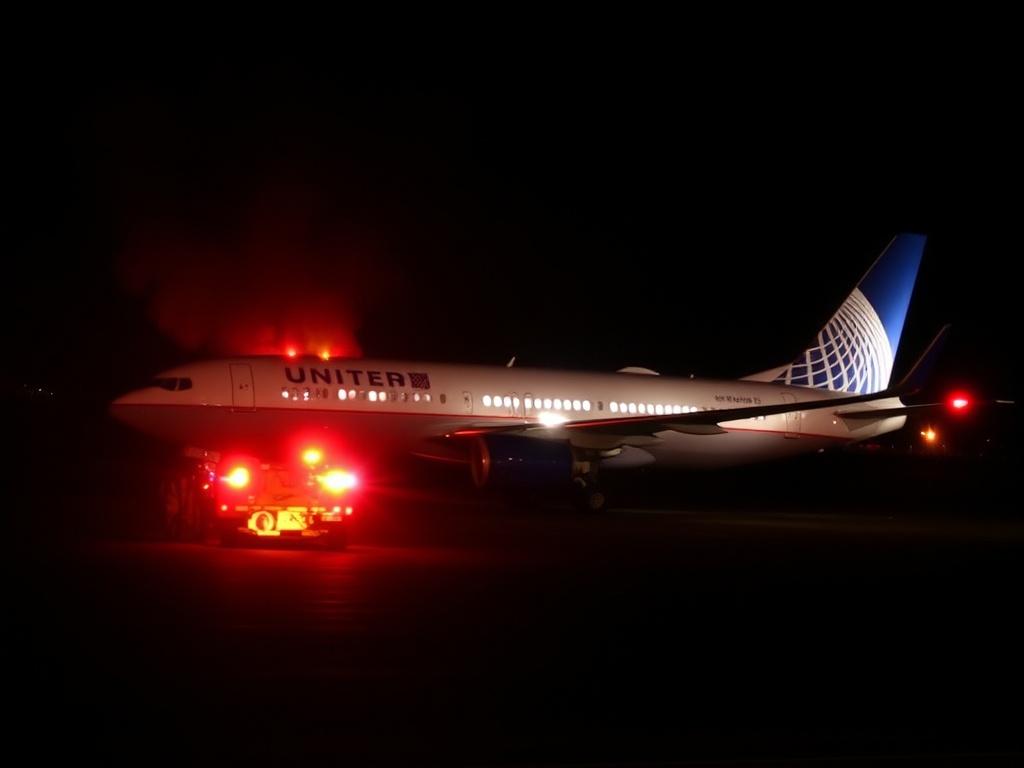
In an era where air travel is both a convenience and a necessity, incidents such as flight diversions can significantly impact passengers’ journeys. United Airlines Flight UA109, a scheduled route connecting various cities, recently experienced a notable diversion. In this article, we will delve into the details of this event and explore its implications for travelers and the aviation industry.
Overview of UA109
Flight UA109 is a key route for United Airlines, primarily operating between major hubs. Such flights are meticulously planned to ensure safety, efficiency, and punctuality. However, unforeseen circumstances can lead to diversions—situations that can happen for various reasons ranging from severe weather to technical issues.
What Happened During the Diversion?
On the day of the incident, UA109 was en route when it had to divert from its original flight path. The diversion was primarily due to [insert specific reason, if known; e.g., mechanical issues, adverse weather conditions, or medical emergencies].
Timeline of Events
- Pre-Flight Preparation: Before departure, UA109 underwent standard pre-flight checks.
- Mid-Flight Incident: Approximately [insert time], during the flight, the crew received information about [specific issue].
- Decision to Divert: After assessing the situation, the captain, in collaboration with air traffic control, decided to divert to [insert alternative airport].
- Landing and Post-Diversion Process: The flight safely landed at the alternate location, where passengers were assisted by ground crew.
Passenger Impact
The UA109 diversion had several immediate effects on passengers onboard:
- Disruption of Travel Plans: Many passengers faced unexpected delays, rebooking arrangements, and potential missed connections.
- Communication: United Airlines ensured that passengers were informed about the situation clearly and promptly.
- Support Services: Upon landing, ground support arranged for transportation, food, and accommodation if necessary.
Challenges for Airlines
Diversions pose various challenges for airlines, including:
- Operational Costs: An unplanned landing can lead to increased fuel consumption and extended service times, impacting overall operational efficiency.
- Customer Satisfaction: Maintaining a good relationship with travelers is crucial; hence, effective communication during diversions is essential for minimizing dissatisfaction.
- Regulatory Compliance: Airlines must adhere to specific regulations concerning passenger care during diversions, as outlined by aviation authorities.
Lessons Learned
From the UA109 incident, several key lessons can be drawn:
- Importance of Communication: Transparent communication between the airline and passengers is vital during emergencies.
- Preparedness for Diversions: Airlines must continuously train their crew to handle unexpected situations efficiently, ensuring passenger safety and comfort.
- Customer Support Services: Having robust systems in place for passenger support post-diversion is crucial to maintaining trust and satisfaction.
Conclusion
The diversion of United Airlines Flight UA109 serves as a reminder of the complexities involved in air travel. While diversions are often unavoidable, the responses from the airline, crew, and ground staff can make a significant difference in how passengers experience the situation. Understanding these events not only highlights the challenges airlines face but also emphasizes the importance of safety and communication in the aviation industry.
FAQs about UA109 Diversion
1. What caused the diversion of United Flight UA109?
The diversion of UA109 was prompted by [specific reasons such as severe weather, mechanical issues, a medical emergency, or air traffic control instructions]. Such decisions are made with the utmost concern for passenger safety and are typically the result of careful evaluation by the flight crew.
2. Where did UA109 divert to?
UA109 diverted to [insert alternative airport], which was the closest suitable option for ensuring passenger safety and addressing the issue that necessitated the diversion.
3. How did passengers respond during the diversion?
Passengers onboard responded with a mix of concern and curiosity. The crew provided updates and reassurances throughout the incident, keeping passengers informed about the situation, which helped alleviate some anxiety.
4. What support did United Airlines provide to passengers after the diversion?
Upon landing, United Airlines offered various supports to affected passengers, including:
- Transportation: Ground transport was arranged to take passengers to the terminal or their accommodation.
- Meals: Complimentary food or meal vouchers were provided while awaiting further instructions.
- Accommodation: In cases where passengers faced extended delays, hotel accommodations were arranged.
5. Will passengers receive compensation for the diversion?
Compensation policies vary based on the circumstances of each incident and the airline’s policies. For UA109, passengers may be eligible for:
- Flight Vouchers: Depending on the length of the delay.
- Refunds: For significant changes to their travel plans.
- Rebooking: Assistance to connect to alternate flights without additional charges.
6. How does United Airlines handle in-flight emergencies or diversions?
United Airlines follows a structured protocol for in-flight emergencies, which includes:
- Crew Training: Regular training programs for cabin crew and pilots to effectively manage emergencies.
- Communication with ATC: Continuous coordination with air traffic control for updates and instructions.
- Passenger Briefing: Keeping passengers informed about developments and next steps.
7. What should passengers do if they experience a flight diversion?
Passengers encountering a diversion should:
- Stay Calm: Follow crew instructions and remain calm.
- Ask Questions: If unsure about the situation, engage with the cabin crew for updates.
- Plan Ahead: Utilize airline apps or customer service channels to rebook flights or inquire about accommodations.
8. How do diversions affect flight schedules?
Diversions can lead to:
- Delayed Connections: Subsequent flights may be affected, requiring rebooking.
- Extended Travel Time: Additional flying distance and time added to the schedule.
- Operational Adjustments: Airlines must reschedule flights to accommodate the diverted aircraft’s return.
9. What are the safety protocols during diversions?
During a flight diversion, safety protocols include:
- Crew Review of Procedures: Assessment of the situation in line with safety guidelines.
- Passenger Safety Briefings: Providing necessary information about expected next steps.
- Emergency Services Coordination: If needed, arrangement of emergency medical services upon landing.
10. Can passengers provide feedback about their experience?
Yes, passengers are encouraged to provide feedback through United Airlines’ customer service platforms. Feedback can help the airline improve service and processes during such incidents. Passengers can fill out online forms or contact customer service directly to share their experiences.