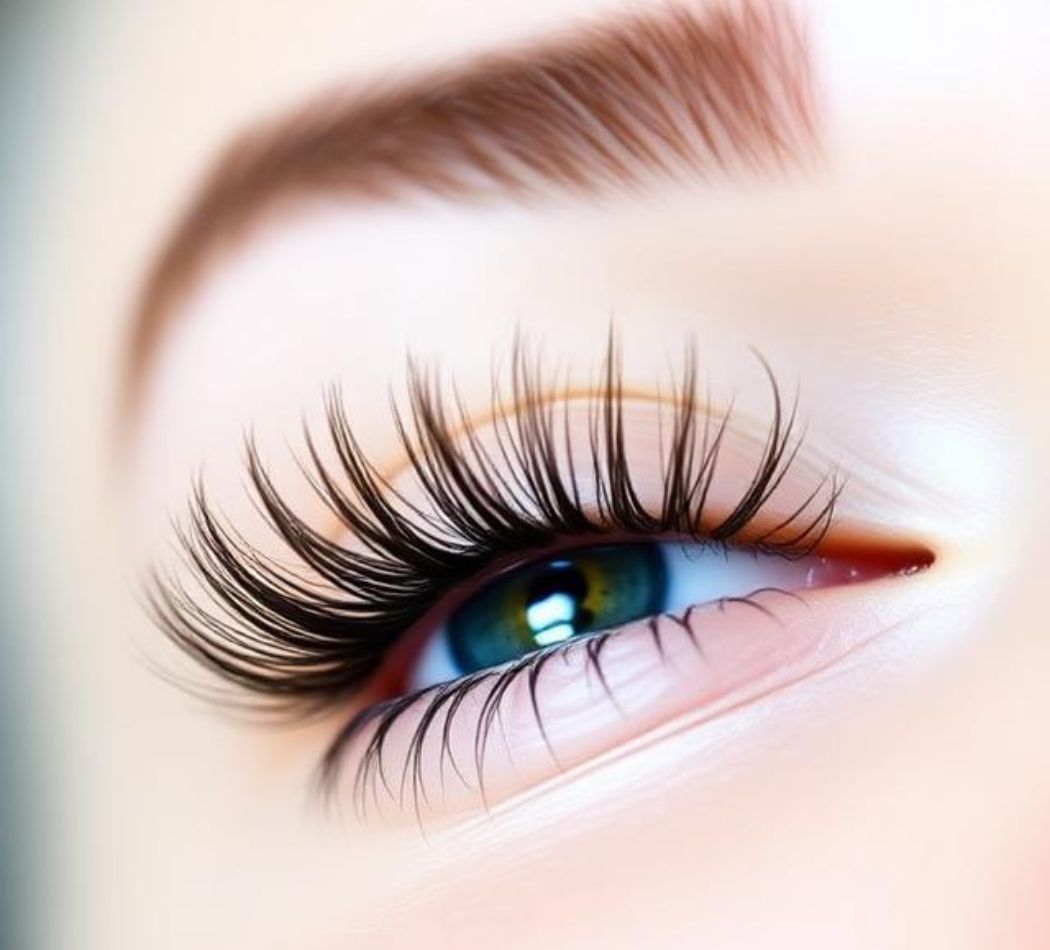
Imagine waking up every morning with perfectly curled, eye-opening lashes. No eyelash curler. No struggle with mascara. Just beautiful, naturally enhanced lashes that frame your eyes perfectly from the moment you open them. This isn’t a fantasy—it’s the reality of cils lifting, one of the most transformative beauty treatments to gain mainstream popularity in recent years.
For anyone tired of the daily lash routine or the commitment of eyelash extensions, cils lifting offers a refreshing alternative. But what exactly is it, and is it right for you? This comprehensive guide explores everything you need to know about this innovative treatment, from how it works to the latest trends shaping the industry in 2026.
What is Cils Lifting?
Cils lifting—sometimes called a lash lift or eyelash lift—is a semi-permanent treatment that enhances your natural eyelashes by curling and lifting them from the root. Unlike eyelash extensions, which involve attaching synthetic fibers to your natural lashes, cils lifting works with what you already have, optimizing your natural lashes for a more open, wide-eyed look.
The word “cils” comes from French, meaning “eyelashes,” and this treatment has its roots in European beauty practices before taking the global beauty industry by storm. The treatment has evolved significantly since its early days, with modern formulations featuring keratin, nourishing oils, and gentler ingredients that protect lash health while delivering stunning results.
The Difference Between Cils Lifting and Traditional Eyelash Perming
You might wonder: isn’t this just like getting a perm for your lashes? While they share similarities, the key difference lies in the direction of the curl. Traditional eyelash perms curl lashes downward and inward—similar to how a hair perm works. Cils lifting, by contrast, lifts lashes upward from the root, creating a more natural, open-eye effect that doesn’t compromise the lash’s natural appearance.
The formulations have also evolved significantly. Early perms relied heavily on harsh chemicals that could damage delicate lash fibers. Modern cils lifting products are enriched with keratin, amino acids, and nourishing oils that protect and condition lashes throughout the process.
How Cils Lifting Works: Step-by-Step
Understanding the process helps you know what to expect and why choosing a skilled professional matters. Here’s what a typical cils lifting treatment involves:
1. Preparation and Cleansing
The treatment begins with a thorough cleansing of your lashes using an oil-free cleanser. This removes any makeup residue, oils, or impurities that could interfere with the lifting solutions. This step is crucial for achieving consistent results.
2. Applying the Silicone Shields
Your technician will select an appropriately sized silicone shield or rod based on your lash length and the desired lift intensity :
-
Small shields: Create a stronger lift, ideal for shorter lashes
-
Medium shields: Provide a moderate, natural lift for most lash types
-
Large shields: Give a gentler lift, perfect for longer lashes
These shields are carefully placed on your eyelid and secured with a gentle adhesive.
3. Attaching Your Lashes
Using a specialized tool, your technician meticulously brushes each lash onto the silicone shield, ensuring they’re evenly separated and aligned. This determines the final curl pattern, so precision matters.
4. Applying the Lifting Lotion
A lifting solution containing active ingredients—often including thioglycolic acid derivatives—is applied to the mid-section of your lashes (avoiding the tips) . This solution softens the keratin structure of your lashes, allowing them to be reshaped. It typically sits for 8-12 minutes, with the exact timing depending on your lash type and desired result.
5. Applying the Setting Lotion
Once the lifting lotion is removed, a setting solution is applied to stabilize and lock in the new curl shape. This step “sets” the lift, ensuring the curl lasts for weeks. This also sits for approximately 8-10 minutes.
6. Neutralizing and Nourishing
The final step involves applying a nourishing serum. Modern treatments often include keratin or “lash Botox” treatments that condition and strengthen your lashes. The shield is then gently removed, and your lashes are combed through to reveal the beautiful, lifted result.
Optional Tinting
Many clients opt for a lash tint during the same session to intensify the look. Because lifting can make lashes appear lighter at the tips, tinting restores contrast and definition for a more dramatic effect. This adds approximately 15-20 minutes to the overall treatment time.
The entire process takes between 45 to 75 minutes, depending on whether you choose tinting as well.
The Benefits of Cils Lifting
Why are so many people making the switch? Here’s what makes this treatment stand out:
1. Effortless Daily Beauty
Perhaps the most compelling benefit is the time savings. With lifted lashes, you can literally wake up looking more awake and polished. Many clients find they no longer need eyelash curlers and can significantly reduce or even eliminate mascara from their daily routine.
2. Natural-Looking Enhancement
Unlike extensions, which add length and volume that can sometimes look artificial, cils lifting enhances what nature gave you. It simply curls and lifts your lashes for a more open, wide-eyed appearance that looks entirely natural.
3. Long-Lasting Results
Your lift typically lasts 6 to 8 weeks, covering the full natural cycle of your eyelashes. Because new lashes grow in to replace the lifted ones gradually, the effect fades naturally rather than disappearing overnight.
4. Low Maintenance and Commitment
One of the greatest advantages is the minimal upkeep. No fill appointments every two to three weeks, no special sleeping positions to protect extensions, and no complicated cleaning routines. The aftercare is simple and straightforward.
5. Healthier Lash Journey
Modern cils lifting formulations often include nourishing ingredients that support lash health rather than damaging it. The lifting action also stimulates the lash follicle, potentially encouraging healthier growth.
6. Cost-Effective Over Time
When you consider the costs over a three-month period, cils lifting is generally more economical than eyelash extensions, which require frequent fill appointments.
Aftercare: Protecting Your Investment
Proper aftercare extends the life of your lift and protects your lash health. Here’s what you need to know:
The Critical First 24-48 Hours
The initial aftercare period is the most important for setting your lift:
-
Keep your lashes completely dry for at least 24 hours (some professionals recommend 48 hours).
-
Avoid steam, heat, and humidity—no saunas, steam rooms, or hot showers that direct water at your face.
-
No rubbing or touching your eyes, as this can disturb the curl while it’s settling.
-
Skip mascara for at least 24-48 hours to allow the lift to fully set.
Ongoing Care
-
Use oil-free products around your eyes. Oil-based cleansers and makeup removers can break down the chemical structure of the lift, significantly shortening its lifespan.
-
Avoid waterproof mascara when you resume wearing makeup—it’s heavy and requires oil-based removers to take off.
-
Brush your lashes regularly using a clean spoolie brush to keep them looking tidy and separated.
-
Consider lash serums or conditioners to nourish your lashes between treatments. Look for serums containing biotin, peptides, panthenol, or amino acids.
What to Avoid
-
Oil-based skincare products applied near your eye area can compromise your lift.
-
Mechanical rubbing or scrubbing of the eye area weakens lashes and can distort the curl.
Latest Trends in Cils Lifting (2026)
The beauty industry never stands still, and cils lifting has evolved with exciting innovations. Here’s what’s trending:
Korean No-Glue Lifting
One of the most significant innovations in 2026 is Korean-style no-glue lifting. This technique uses a specially formulated adhesive powder and cream (often containing cysteamine) instead of traditional lash glue, creating a strong curl even on stubbornly straight lashes. It’s gentler on the lashes and eyes, and it’s gaining popularity among professionals for its ability to handle tricky lash types.
Keratin Lash Lift
Keratin-infused treatments are a major trend, offering lashes a smoother, shinier finish while strengthening the hair fiber and reducing breakage. For clients with dry, brittle, or stressed lashes (perhaps from previous extensions), keratin lifts are a game-changer.
Lash Botox
Despite the name, this has nothing to do with injections. “Lash Botox” refers to a deeply nourishing treatment that infuses lashes with amino acids, vitamins, and peptides to restructure and condition them. The result is lashes that appear denser, more hydrated, and healthier—it’s a restorative treatment as much as a cosmetic one.
Eco-Conscious and “Green” Products
With growing environmental awareness, there’s an increasing demand for lifts using natural, certified, and less chemically aggressive products. This trend responds to clients who want beauty treatments that align with their eco-conscious values.
Micro-Lifting for Fragile Lashes
For clients with weak, thin, or damaged lashes, gentle micro-lifting techniques use shorter processing times and regenerative treatments. These protocols are designed to minimize stress on delicate lashes while still achieving visible results.
Who is a Good Candidate for Cils Lifting?
Cils lifting is versatile and suitable for many people, but knowing if you’re an ideal candidate helps set realistic expectations.
You’re a Good Candidate If:
-
You have straight or downward-pointing lashes that need a lift.
-
You have naturally long lashes but want them to appear more curled and visible.
-
You want a low-maintenance beauty routine.
-
You’ve had negative experiences with extensions and want a gentler alternative.
-
You have sensitive eyes (modern products are generally gentle, though patch testing is recommended).
You Might Not Be the Best Candidate If:
-
You have very short lashes (less than about 2-3mm). The lifting effect requires enough length to work with.
-
You have very sparse lashes. Cils lifting doesn’t create new lashes or add volume—it enhances what’s there.
-
You have active eye infections, conjunctivitis, or recent eyelid surgery.
-
You’re using certain dermatological treatments like retinoids around the eye area.
-
You have very brittle or damaged lashes. Your technician may recommend conditioning your lashes first with a lash serum before treatment.
A professional consultation is always the best way to determine suitability.
Choosing a Qualified Professional
The quality of your results—and your safety—depends heavily on your technician’s skill and experience. Here’s what to look for:
What to Ask:
-
Training and certification: Have they completed recognized training?
-
Experience: How many lifts have they performed?
-
Products used: Do they use professional-grade products? Can you see what they’ll be using?
-
Portfolio: Can they show you before-and-after photos of their work?
-
Patch testing: Do they require a patch test before treatment (especially for tinting)?
Red Flags:
-
Low prices significantly below market average—quality products and training cost money.
-
Unsuitable facilities—the treatment area should be clean and professional.
-
Unwillingness to discuss products or answer questions about the process.
-
Promising unrealistic results—ethical technicians manage expectations honestly.
Look for a salon or individual who prioritizes lash health alongside aesthetics, as this is the mark of a true professional.
Common Mistakes and How to Avoid Them
Even great cils lifting can go wrong. Here are the most common pitfalls and how to avoid them:
Mistake 1: Not Performing a Patch Test
Why it’s a problem: Allergic reactions to lifting solutions or tints can cause serious eye irritation.
Solution: If your technician doesn’t offer a patch test, request one at least 24 hours before your appointment.
Mistake 2: Choosing the Wrong Shield Size
Why it’s a problem: Too small a shield can create an unnatural over-curl that looks strange as lashes grow out. Too large gives minimal effect.
Solution: Trust your technician’s recommendation, but understand how different sizes create different looks. If you want a dramatic lift, don’t ask for a large shield—it will under-deliver.
Mistake 3: Overprocessing
Why it’s a problem: Leaving lifting solutions on too long damages the hair structure, leading to dried-out, brittle, or frizzy-looking lashes.
Solution: Quality technicians assess lash type and adjust timing accordingly. Avoid anyone who uses one fixed timing for all clients.
Mistake 4: Neglecting Aftercare
Why it’s a problem: Getting lashes wet too soon or using oil-based products can significantly reduce the lift’s longevity.
Solution: Follow aftercare instructions meticulously. The first 48 hours are non-negotiable.
The Future of Cils Lifting
What does the future hold for cils lifting? As we move through 2026, several trends are emerging:
Increased Personalization
The one-size-fits-all approach is fading. We’re moving toward highly personalized treatments that consider lash length, thickness, texture, and even eye shape to create bespoke results for each client.
Integration with Hair Health Technology
As our understanding of hair biology improves, products that actively promote lash health alongside cosmetic enhancement will become standard. We’re likely to see more treatments that incorporate growth-stimulating peptides and hair-health compounds.
Hybrid Treatments
Combining treatments for enhanced results will increase—for example, pairing a lift with a lash tint and a conditioning treatment in a single session to maximize effect and convenience.
Home Care Innovations
We’ll likely see more sophisticated home-care products designed to work synergistically with professional treatments, extending the life of lifts and maintaining lash health between appointments.
Quick Summary: Key Takeaways
-
Cils lifting is a semi-permanent treatment that curls and lifts your natural lashes from the root for 6-8 weeks of beauty.
-
The treatment takes 45-75 minutes and involves applying lifting and setting solutions to restructure the lash keratin.
-
Benefits include effortless daily beauty, natural-looking results, low maintenance, and cost-effectiveness compared to extensions.
-
Aftercare is simple: keep lashes dry for 24-48 hours, avoid oil-based products, and gently brush daily.
-
Innovations in 2026 include no-glue Korean lifting, keratin lifts, and eco-conscious products.
-
Best candidates have straight or downward-pointing lashes of sufficient length.
-
Choose a professional with proper training, quality products, and a commitment to lash health.
-
Results vary depending on the natural lash cycle, with gradual fading as new lashes grow in.
Cils lifting is more than a beauty trend; it’s a smart solution for anyone wanting to simplify their routine while enhancing their natural features. With proper selection of a qualified professional and good aftercare, you can enjoy weeks of effortless, beautiful lashes. Whether you’re completely new to lash treatments or looking for a welcome break from extensions, it’s a treatment worth exploring.
FAQ: Your Cils Lifting Questions Answered
How long does cils lifting last?
Most lifts last between 6 to 8 weeks, though this varies depending on your natural lash cycle and how well you maintain them.
Will lifting damage my lashes?
When performed by a trained professional using quality products, cils lifting is safe and shouldn’t damage your lashes. Modern formulations include nourishing ingredients that protect lashes throughout the treatment.
Can I wear mascara after cils lifting?
Yes, but wait at least 24-48 hours for the lift to fully set. Avoid waterproof mascara, which requires oil-based removers that can shorten the lift’s life.
Is cils lifting better than extensions?
It depends on your goals. Cils lifting is better if you prefer a natural look with minimal maintenance. Extensions are better if you want significant added length, volume, and a more dramatic appearance. Many women actually use both at different times depending on their lifestyle and needs.
Can I get cils lifting with short lashes?
The treatment works best on lashes at least 2-3mm in length. Very short lashes may not show significant results . Some technicians recommend lash growth serums for a few weeks before treatment.
Can I get a lash lift if I’m pregnant?
Most professionals advise against lash lifts during pregnancy due to hormonal changes that can affect how your body reacts to the chemicals. Also, being pregnant means extra caution with any unnecessary chemical exposure. Check with both your doctor and your technician.
Will I need touch-ups?
Unlike extensions that require frequent fills, cils lifting doesn’t need “touch-ups” per se. However, if you want to maintain the look continuously, you’ll need a new treatment every 6-8 weeks as your lashes naturally cycle.
Is cils lifting painful?
The treatment itself is generally not painful—just a sensation of something being on your lashes. Some clients find the process relaxing enough to fall asleep. If you experience any discomfort, your technician should be able to adjust.
Sources Used:
-
xtremelashes
-
Flute Journal
-
WebFactory Ltd
-
Droga Raia
-
Modes et travaux
-
Coco House of Beauty
-
Cheeky Zebra
-
FORPRO Paca
-
Tecniwork
-
Biba Magazine