Nestled away in the picturesque landscapes of Denmark, Pindhuset is far more than a single destination; it is a concept that reflects warmth, simplicity, and cultural authenticity. Rooted in deep Danish traditions, this unique name graces everything from a stunning architectural wonder to a beloved culinary hub and a stylish lifestyle boutique. Whether you’re an architecture enthusiast, a foodie seeking authentic Nordic flavors, or a traveler looking for a serene escape, Pindhuset offers an experience that harmoniously blends history, modern elegance, and rustic charm.
Table of Contents
ToggleWhat Does “Pindhuset” Mean?
The story of Pindhuset begins with its name. Derived from the Danish language, “Pindhuset” translates to “pin house”. This intriguing name directly reflects the building’s most distinctive architectural features: striking wooden beams that resemble sturdy wooden pins, creating an eye-catching silhouette against the sky. Local folklore suggests that fishermen once used these robust wooden structures to store their tools and nets, a humble utility that over time transformed into an emblem of community resilience. The name evokes imagery of simplicity and functionality, perfectly echoing how design can harmonize with purpose.
The Rich History of Pindhuset
Pindhuset’s history is as captivating as its architecture. While some accounts trace its origins to a simple early 20th-century warehouse, built for local businesses with a sturdy structure ideal for storage, others describe it as a community gathering space from its very inception, quickly becoming a hub for social events and fostering connections among residents. Over the decades, it has witnessed significant historical moments and adapted to changing needs. During the mid-1900s, it functioned as a venue for cultural performances and workshops, where artists and artisans showcased their talents.
In the late 1990s, visionary architects recognized the potential of this then-neglected space. A significant restoration transformed it into an architectural gem, blending old-world character with innovative design. Today, Pindhuset stands as a testament to adaptive reuse, showcasing how forgotten structures can be rejuvenated to enrich communities while preserving their historical essence.
Unique Architectural Design
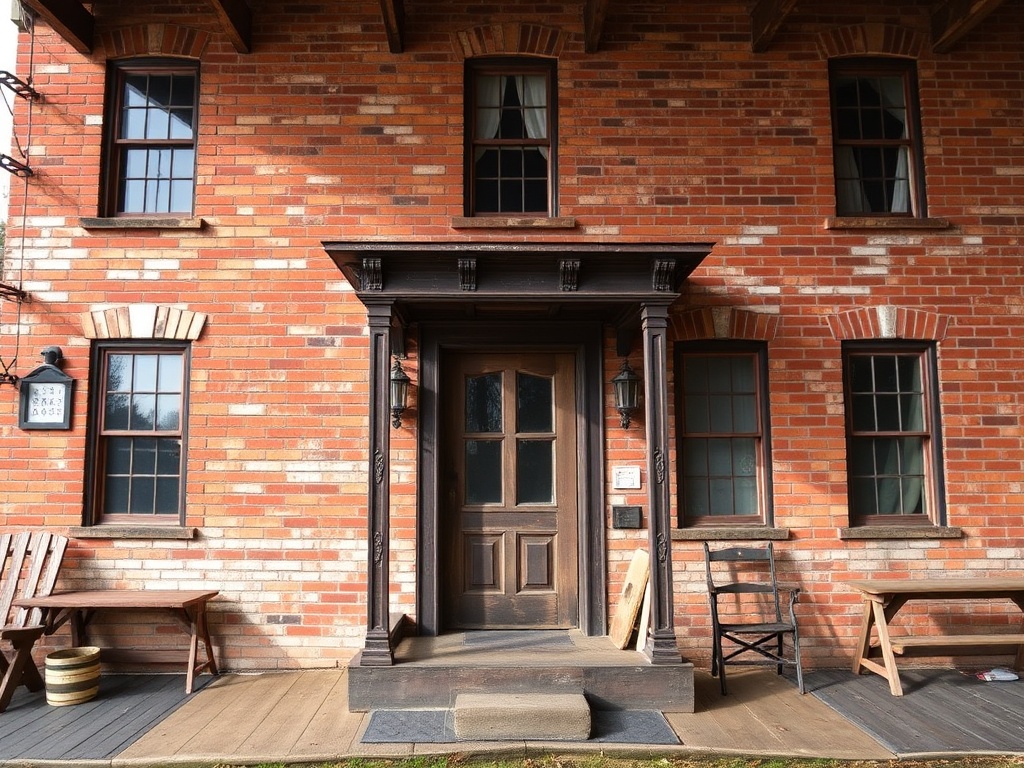
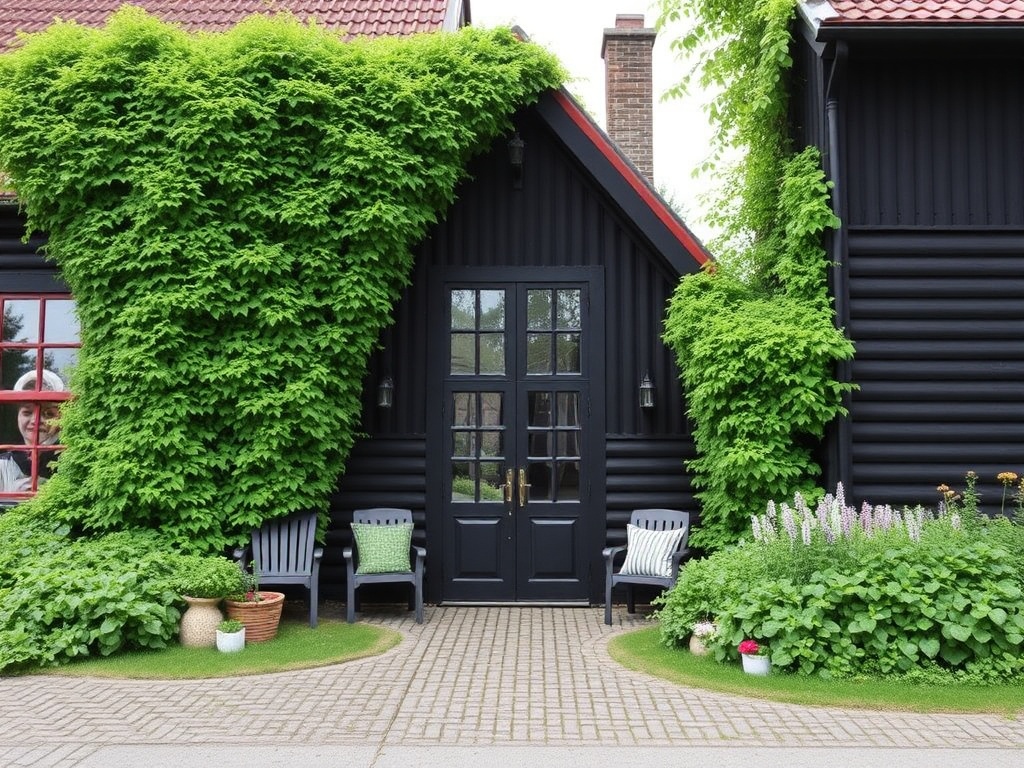
Pindhuset stands out for its remarkable and unique design. The structure is a perfect fusion of modern elegance and rustic charm, with sleek lines and expansive windows that flood the interiors with natural light. Influenced by traditional Nordic aesthetics, it harmonizes seamlessly with its natural surroundings.
-
Materials: The use of sustainable, local materials like timber and stone emphasizes harmony between the architecture and its environment.
-
Connection to Nature: The building’s structure is said to resemble a ship, with graceful lines that evoke the feeling of movement, capturing the essence of its coastal surroundings.
-
Interior Design: Inside, you’ll find warm wooden interiors, soft inviting lighting, and handcrafted furniture that adds a unique character, creating a relaxed and welcoming atmosphere.
-
Artistic Elements: Artistic installations adorn various corners, making each visit feel like stepping into an evolving gallery.
A Taste of Denmark: The Culinary Experience
One of the most celebrated facets of Pindhuset is its culinary offering. As a charming venue and restaurant in Silkeborg, it is renowned for its warm atmosphere and delicious cuisine. The menu is a vibrant celebration of local Danish ingredients, sourced fresh from nearby farms, while also cleverly integrating international flavors for a diverse culinary experience. Each plate tells its own vibrant story, bursting with colors and tantalizing aromas, with chefs often experimenting with seasonal offerings to keep the menu exciting and fresh.
Community & Cultural Heartbeat
What truly distinguishes Pindhuset is its deep commitment to community engagement. It began as a small initiative, aimed at bringing unique flavors and local products to the community, with a vision of creating a space where people could gather, share stories, and enjoy quality items sourced from nearby artisans. Today, it is a lively cultural hub that regularly hosts events such as live music nights and themed dinner parties, transforming the eatery into a social hub where locals gather to connect over delightful food.
As a stylish home decor and lifestyle boutique, Pindhuset invites you to explore the beauty and craftsmanship of Scandinavian aesthetics, offering everything from unique furnishings to artisanal decor pieces. Each item tells a story, often crafted by local artisans who pour their creativity into every piece. It acts as a bridge between generations, with the stories behind each piece resonating with visitors and weaving personal narratives into the fabric of community life.
Tips for Your Visit
To make the most of your visit to this enchanting destination, keep these insider tips in mind:
-
Best Time to Go: Plan your visit during weekdays to avoid larger crowds and have more time to relax and take in the sights and sounds.
-
What to Bring: Wear comfortable shoes, as you will likely be doing a lot of walking and exploration. Keep your camera on hand to capture the breathtaking scenery and distinctive architecture.
-
Enhance Your Experience: Consider joining a guided tour. Local guides share intriguing stories that bring the structure’s history to life, adding depth to your visit.
Conclusion
Pindhuset is more than just a place; it is a testament to the enduring principles of Danish design, hospitality, and community spirit. From its intriguing name to its unique architectural features and its role as a vibrant cultural hub, it offers a truly immersive experience. Whether you are a resident searching for a new favorite spot or a traveler keen to taste authentic Danish cuisine amidst breathtaking scenery, make sure this delightful treasure finds its way onto your itinerary.
Frequently Asked Questions About Pindhuset
1. Where is Pindhuset located?
Pindhuset is located in Denmark, with notable references in Silkeborg (as a restaurant and cultural venue) and in coastal areas featuring the original architectural structures. The exact address may vary depending on which Pindhuset you plan to visit – the culinary venue or the historical building. Always check local listings for the specific location.
2. What does the name “Pindhuset” mean?
“Pindhuset” is Danish and translates to “the pin house.” The name comes from the building’s distinctive wooden beams that resemble large pins or pegs. It reflects the structure’s simple, functional origins.
3. Is Pindhuset a restaurant, a museum, or a shop?
Pindhuset is a multi-faceted destination. It can refer to:
-
A restaurant and café in Silkeborg serving Danish and international cuisine.
-
A historical building with unique architecture open for tours.
-
A lifestyle boutique selling Scandinavian home decor and artisanal goods.
4. Do I need to book a table or tour in advance?
Yes, especially for the restaurant during weekends and for guided architectural tours. Booking ahead is recommended to secure your spot, as Pindhuset is popular among both locals and tourists.
5. Is Pindhuset family-friendly?
Absolutely. The restaurant offers a welcoming atmosphere for children, and the open spaces around the building are suitable for families. Special events like themed dinners and live music may be more adult-oriented, but general visiting hours are family-friendly.
6. What kind of food does Pindhuset serve?
The menu focuses on seasonal, locally sourced Danish ingredients with a modern twist. Expect dishes like smørrebrød (open-faced sandwiches), fresh seafood, foraged herbs, and artisanal desserts. Vegetarian and gluten-free options are often available.
7. Can I buy souvenirs or gifts at Pindhuset?
Yes, the on-site boutique offers a curated selection of handmade ceramics, textiles, candles, and furniture – all crafted by local Danish artisans. These make for authentic, high-quality souvenirs.
8. Is Pindhuset accessible by public transport?
Most Pindhuset locations are reachable by bus or train, especially those in towns like Silkeborg. However, some historical Pindhuset buildings in more remote coastal areas may require a car or bike. Check local transit maps before you go.
9. When is the best time to visit?
Spring and summer offer long daylight hours and pleasant weather for exploring the architecture and outdoor surroundings. Autumn is ideal for enjoying seasonal menus and cozy indoor settings. Weekdays are quieter than weekends.
10. Are there any special events held at Pindhuset?
Yes – live music nights, themed dinner parties, art exhibitions, and craft workshops are held regularly. Check their official social media or website for an up-to-date calendar of events.
11. Is photography allowed inside Pindhuset?
Yes, non-commercial photography for personal use is generally allowed. However, during special events or in boutique areas, you may be asked to refrain from flash photography. Always ask staff if unsure.
12. Can I host a private event at Pindhuset?
Many Pindhuset venues offer rental options for weddings, corporate retreats, or family celebrations. Contact the management directly for capacity, catering, and pricing details.