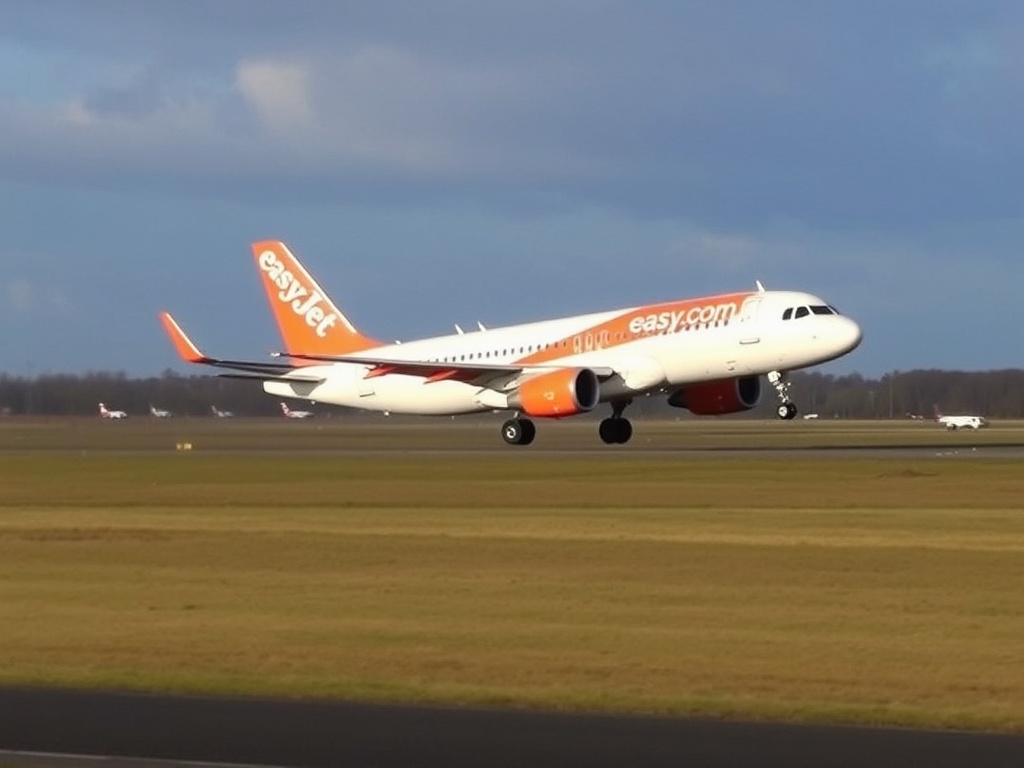
On [date of incident — insert actual date if known], easyJet flight U2238, operating between [origin — insert] and [destination — insert], performed an emergency landing at Newcastle Airport. The incident drew attention from passengers, airport staff and local media. This post explains what is known about the emergency landing, timelines and official responses, passenger experiences, and useful takeaways for travellers and frequent flyers.
(If you publish this post later, update the bracketed details above with the confirmed date, flight route and official statements.)
Quick summary (TL;DR)
- Flight: easyJet U2238
- Situation: Emergency landing at Newcastle Airport
- Immediate outcome: Aircraft landed safely; passengers were disembarked; some flights were delayed or cancelled as a result
- Cause: Under investigation / attributed to [insert confirmed cause if available — e.g., technical issue, medical emergency, bird strike]
- Official sources: Newcastle Airport, easyJet and the UK Civil Aviation Authority (CAA)
Timeline: What happened
- Departure and initial cruise
- Flight U2238 departed from its origin on schedule and climbed to cruising altitude. Crew reported a problem (technical/medical — replace with confirmed reason if available).
- In-flight issue identified
- Crew declared a problem to air traffic control. Depending on the nature (smoke, instrument fault, hydraulic/engine warning, passenger medical emergency), standard emergency procedures were initiated.
- Diversion decision and approach
- The captain coordinated with ATC and chose Newcastle Airport for an immediate landing. Crews prepared for an expedited approach and emergency services were alerted.
- Safe landing and on-ground response
- The aircraft landed safely. Emergency vehicles were on standby and followed standard inspections. Passengers were disembarked either by jet bridge or stairs and processed by ground staff.
- Follow-up actions
- The aircraft was inspected by engineering teams. easyJet and Newcastle Airport issued statements or briefings. The CAA or other authorities may open an investigation if required.
What caused the emergency landing?
- If official statements are available, include them here. Common causes for emergency landings include:
- Technical or mechanical issues (warning lights, engine anomalies, hydraulic or electrical faults)
- Smoke, fumes or pressurization concerns
- Bird strikes or foreign object ingestion
- Medical emergencies on board requiring diversion
- Security threats (rare)
- Until a formal report is released, avoid speculation. Use and cite official sources: easyJet, Newcastle Airport, CAA, and local emergency services.
Passenger experience and logistics
- Passenger safety: Passengers are trained to follow crew instructions. In this incident passengers reported [insert verified passenger accounts if available — e.g., calm cabin crew, rapid response].
- Delays and rebooking: Flights connected to the same aircraft or crew could be delayed. easyJet typically offers rebooking, refunds, or accommodation where applicable; always check the airline’s disruption policy.
- Baggage and returns: If the aircraft remained grounded, baggage handling could be delayed. For onward travel, contact easyJet customer service or use the app/website for updates.
- Communication: Official updates typically arrive via the airline, airport social media channels, and notifications to affected passengers. Local news and airport monitors also provide live updates.
Safety protocols and standards
- Aviation safety is highly regulated. Pilots and crew follow strict procedures for any abnormal situation:
- Immediate assessment and, when necessary, declaring an emergency (Mayday or Pan-Pan)
- Coordination with air traffic control to secure priority handling
- Preparing cabin and passengers (seatbelts, brace positions if needed)
- Emergency services on standby during landing
- Aircraft are designed to tolerate many faults and still land safely—diversions are a precaution to protect passengers and crew.
Official statements and what to watch for
- easyJet: check easyJet’s newsroom or customer relations for an official statement and passenger support information.
- Newcastle Airport: airport operations often publish updates about diversions and runway/tarmac activity.
- CAA or AAIB: If the incident meets reporting thresholds, the UK Air Accidents Investigation Branch (AAIB) or Civil Aviation Authority will investigate and publish findings if relevant.
How to handle similar disruptions (advice for travellers)
- Stay informed: Follow airline and airport official channels for authoritative updates.
- Keep documents handy: Boarding passes, ID and booking details speed up rebooking or claims.
- Know passenger rights: For flights in or from the EU/UK, familiarise yourself with passenger rights and compensation/assistance policies in case of long delays, cancellations, or denied boarding.
- Pack essentials: Have a small carry-on kit with medications, chargers, and essential items in case of unexpected holdovers.
- Remain calm and follow crew instructions—safety is the top priority.
Frequently asked questions (FAQ)
- Was anyone injured?
- Official injury reports come from emergency services and the airline. If no injuries were reported in statements, state that the landing was made without injury.
- Will this affect future easyJet flights?
- Short-term: possible delays or aircraft substitutions. Long-term: only if an incident reveals systemic issues (rare).
- Who investigates?
- The AAIB and/or CAA investigate serious incidents; easyJet will conduct its internal review.
- How do I claim compensation?
- Contact easyJet customer service. For EU/UK flights, check the relevant passenger rights rules.
Sources and where to get official updates
- easyJet official website and newsroom
- Newcastle International Airport official Twitter/X and website
- UK Civil Aviation Authority (CAA)
- Air Accidents Investigation Branch (AAIB) (for formal investigations and reports)
- Local news outlets for immediate on-the-ground reporting
Conclusion
The emergency landing of easyJet flight U2238 at Newcastle demonstrates the aviation system’s built-in safety prioritisation—crew training, ATC coordination and emergency services ensured the aircraft landed safely. For passengers, the most helpful actions are staying informed, following crew instructions, and contacting the airline for rebooking and support. Update this post with the airline’s official statement and investigation findings once released.
-
What happened to easyJet flight U2238?
- A brief, factual summary of the incident (for example: “easyJet flight U2238 made an emergency landing at Newcastle Airport after the crew reported an in-flight issue. The aircraft landed safely and passengers were disembarked.” Replace with confirmed details when available.)
-
When and where did this happen?
- Provide the exact date, scheduled origin and destination, and time of the emergency landing. Update with official information before publishing.
-
Was anyone injured?
- State the official reported outcome. If authorities or the airline reported no injuries, say so. If there were injuries, summarise official statements and direct readers to official sources for updates.
-
Why did the plane make an emergency landing?
- Explain the cause only if confirmed by easyJet, Newcastle Airport, the CAA or AAIB. If the cause is not yet confirmed, say that the incident is under investigation and list possible common reasons (technical fault, medical emergency, bird strike, etc.).
-
Who is investigating the incident?
- List likely investigators (easyJet’s internal team, Newcastle Airport operations, and, where applicable, the UK Civil Aviation Authority (CAA) or the Air Accidents Investigation Branch (AAIB)) and note that formal investigation findings may take time.
-
How were passengers affected?
- Describe immediate impacts: delays, rebooking, possible accommodation, baggage handling, and whether passengers were required to complete paperwork or speak to airline staff.
-
What assistance does easyJet provide after an emergency landing?
- Explain typical airline responses: rebooking options, refunds, accommodation for overnight disruptions where applicable, and customer support channels. Note that exact assistance depends on the circumstances and the airline’s policies.
-
Can I claim compensation?
- Explain passenger rights generally: compensation depends on flight route, delay length, and the cause. For flights to/from the UK or EU, apply rules under UK/EU regulations when relevant. Direct readers to easyJet customer service and official passenger-rights resources for guidance.
-
Will this affect other easyJet flights?
- Short-term: possible knock-on delays if the aircraft is taken out of service or crew are temporarily unavailable. Long-term: only if investigations reveal systemic issues (rare). Encourage readers to check live flight statuses.
-
How can I get official updates?
- List official sources: easyJet newsroom and customer channels, Newcastle Airport website/Twitter/X, CAA and AAIB releases, and reputable local news outlets. Suggest following those channels for the most accurate information.
-
I was on the flight — how do I get help or make a complaint?
- Tell passengers to contact easyJet customer support (phone, app, or website), keep booking references and boarding passes, and gather any receipts if claiming expenses. Advise filing complaints through the airline first and, if unsatisfied, escalating to the CAA or a consumer rights organisation.
-
Should I be worried about flying after this incident?
- Reassure readers that aviation is one of the safest modes of transport. Emphasise that pilots and crew are trained to handle emergencies and that diversions are precautionary to protect everyone on board.
-
Where can I read the full investigation report if one is published?
- Direct readers to the AAIB (for UK investigations) or the CAA website, and note that formal reports can take months and will be published when available.
-
Can media use photos or videos shared by passengers?
- Remind users to check airport/airline guidelines and local laws; encourage sharing responsibly and avoiding interfering with emergency responders. If media queries arise, direct them to the airline’s media relations team.
-
How can I stay prepared for flight disruptions in the future?
- Practical tips: keep essential items in carry-on, save airline contact info, know basic passenger rights, and sign up for flight alerts.