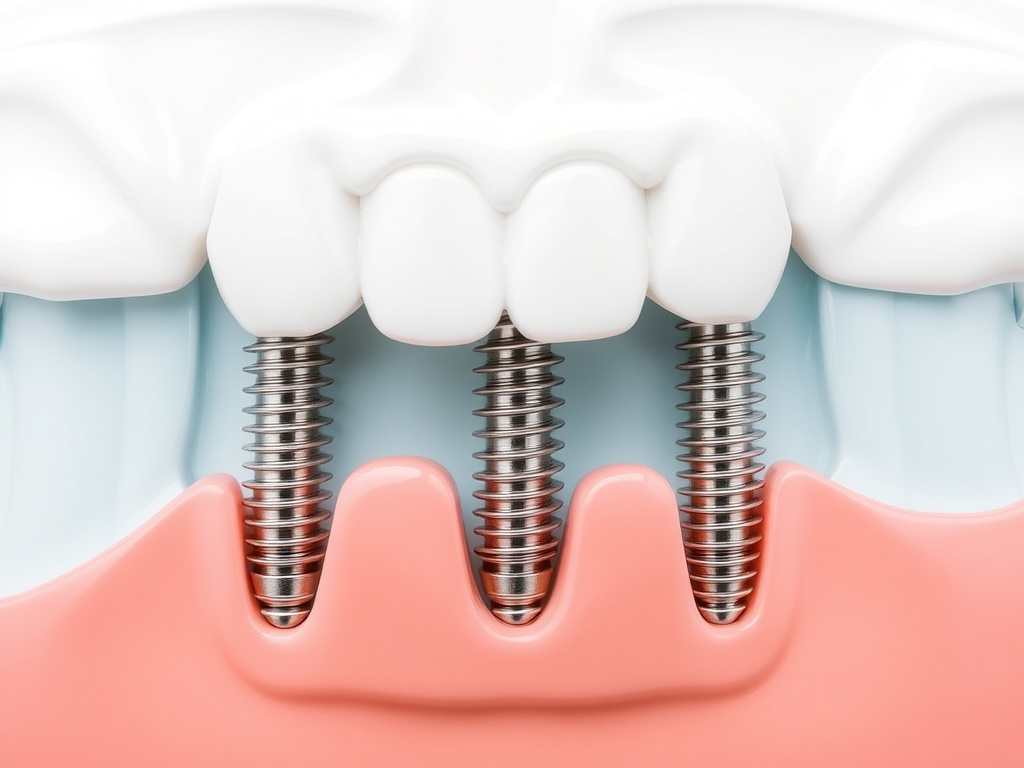
Dental implants are the gold standard for replacing missing teeth. For many patients in Western Europe and beyond, Hungary has become a leading destination for implant dentistry thanks to excellent clinical standards, highly trained specialists, modern clinics, and far lower prices. Helvetic Clinics are among the well-known providers serving international patients. This article explains what dental implants are, why patients choose Hungary, what Helvetic Clinics offer, treatment steps, costs, risks and aftercare, and tips for planning a safe, successful implant trip.
Why choose dental implants?
- Natural function and appearance: Implants replace tooth roots with titanium or zirconia posts anchored in the jawbone, supporting crowns, bridges, or full-arch prostheses. They restore chewing efficiency, speech, and smile aesthetics.
- Bone preservation: Where a natural root is missing, an implant preserves bone by transmitting functional load to the jaw.
- Long-term value: With proper care, implants commonly last decades, making them a cost-effective solution compared with removable dentures or frequent bridge replacements.
- Improved quality of life: Implants remove restrictions associated with removable dentures and reduce social self-consciousness.
Why Hungary for dental implants?
- High clinical standards: Hungary trains many dentists to EU standards; many specialists speak good English and have international experience.
- Modern facilities: Leading Hungarian clinics use digital diagnostics, 3D imaging (CBCT), CAD/CAM prosthetics, and modern sterilization protocols.
- Cost savings: Implant procedures commonly cost 40–70% less than in the UK, Scandinavia, Switzerland, or the Netherlands, while maintaining comparable quality.
- Easy travel access: Hungary — especially Budapest — is well connected by short flights across Europe and offers tourism opportunities for companions.
- Strong dental tourism infrastructure: Clinics experienced with international patients provide treatment coordination, translations, travel logistics, and follow-up planning.
About Helvetic Clinics
Helvetic Clinics are a network of dental clinics operating in Hungary with a reputation for serving international patients. Key features:
- Multidisciplinary teams: Specialists in oral surgery, implantology, prosthodontics, endodontics, and periodontics collaborate on complex cases.
- Modern technology: On-site labs, digital smile design, intraoral scanners, CBCT imaging, and CAD/CAM restorations for faster, more precise treatment.
- International patient services: Treatment coordinators, multilingual staff, tailored quotes, and aftercare arrangements for returning home.
- Accredited quality systems: Many clinics follow European hygiene and safety standards; individual branches often publish case portfolios and patient testimonials.
Types of dental implants and solutions offered
- Single-tooth implants: Replace one missing tooth with an implant and crown; preserves neighboring teeth.
- Implant-supported bridges: Replace multiple adjacent missing teeth without using natural teeth as abutments.
- All-on-4 / All-on-6 / full-arch fixed solutions: Immediate‑loading protocols that replace a full arch on four to six implants — efficient for edentulous patients.
- Overdentures: Implant-retained removable prosthesis that combines security with easier hygiene.
- Zygomatic implants and advanced grafting: Solutions for severe bone loss using longer implants anchored in cheekbone (zygomatic) or bone augmentation techniques (sinus lift, ridge augmentation).
Typical treatment process
- Initial inquiry and consultation: Provide medical and dental history, photos, and X-rays. Helvetic Clinics usually offer a detailed treatment plan and cost estimate.
- In-person assessment and 3D imaging: CBCT scan and clinical exam to plan implant positions and evaluate bone quality.
- Preoperative preparation: Any necessary extractions, periodontal therapy, or bone grafting may be done prior to implant placement.
- Implant surgery: Under local anesthesia (sedation available on request), implants are placed. Immediate loading may be an option for suitable cases.
- Healing phase: Osseointegration typically takes 3–6 months; temporary prosthesis can be provided for aesthetics and function.
- Restorative phase: Abutments and final crowns/bridges are fabricated using CAD/CAM and fitted.
- Follow-up and maintenance: Regular check-ups and hygiene visits to preserve implant health.
Costs — what to expect
- Price ranges vary by implant brand, type of restoration, number of implants, and additional procedures (bone grafts, sinus lifts, extractions).
- Representative examples (approximate ranges; always verify with clinic):
- Single implant with crown: €900–€1,800
- Two-tooth implant bridge (2 implants + 3-unit bridge): €2,000–€4,500
- Full-arch All-on-4: €6,000–€12,000 per arch
- Bone grafting / sinus lift: €200–€1,200 depending on complexity
- Compare with local prices at home; savings can be substantial even after travel and accommodation.
Quality and safety considerations
- Implant brand and warranty: Reputable clinics use proven implant systems (Nobel Biocare, Straumann, Zimmer, Dentsply Sirona, Ankylos etc.). Ask about brand, warranty, and traceability.
- Clinician qualifications: Verify implantologist credentials, continuing education, and clinical experience with the specific procedure.
- Diagnostic standards: Request that the clinic use CBCT imaging and digital planning—these reduce surgical surprises.
- Sterilization and infection control: Confirm adherence to EU hygiene standards.
- Realistic expectations: Any medical procedure carries risk — ask for complication rates, how complications are handled, and an emergency contact for post-op care.
- Follow-up arrangements: Ensure clear plans for follow-up care at home (local dentist coordination) and immediate post-op support from the Hungarian clinic.
Risks and complications
- Typical risks: infection, implant failure/non-integration, nerve injury (rare), sinus complications (upper jaw), peri-implantitis over time.
- Minimizing risk: choose an experienced team, follow pre- and post-op instructions, maintain oral hygiene, and attend regular maintenance visits.
Aftercare and long-term maintenance
- Oral hygiene: Brush twice daily with appropriate techniques, use interdental brushes/floss around implants, and consider antiseptic mouthwash if advised.
- Professional maintenance: Regular reviews every 3–12 months depending on risk profile; professional cleaning to remove biofilm around implants.
- Lifestyle: Smoking, uncontrolled diabetes, and poor oral hygiene increase risk for implant failure—manage systemic health factors.
- Immediate concerns: Most clinics provide emergency contact for swelling, severe pain, or bleeding; follow up promptly.
How to plan your trip to Helvetic Clinics in Hungary
- Initial contact: Send digital records and photos for preliminary assessment. Ask for detailed cost breakdowns, implant brand, planned treatment timeline, and included services.
- Travel logistics: Book flexible flights and accommodation. Many clinics assist with transfers and local arrangements.
- Multiple visits: Complex cases (bone grafting, staged implants) may require multiple trips. All-on-4 and immediate-load protocols often reduce visits to one or two.
- Documentation: Keep all treatment records, radiographs, and warranties to present to your local dentist for future maintenance.
FAQs
Will my health insurance cover implants abroad?
Most national health systems do not fully cover cosmetic implants, but check private insurance and travel policies. Some insurers reimburse a portion if you submit invoices and proof of medical necessity.
How long does the whole process take?
Simple single implants can be completed in 2–4 months; complex reconstructions may take 6–12 months depending on grafting and healing.
Are implants painful?
Surgery is performed under local anesthesia and often sedation; discomfort is usually manageable with prescribed medications and resolves in a few days to weeks.
How long do implants last?
With good care, implants can last many years or decades. Long-term success depends on bone health, oral hygiene, and regular maintenance.
Conclusion
Hungary has established itself as a premier dental tourism destination, offering high-quality dental implants at competitive prices. Helvetic Clinics combine modern technology, multidisciplinary teams, and international patient services to provide comprehensive implant care. If you’re considering dental implants abroad, request a detailed treatment plan and cost estimate, verify clinician qualifications and implant brands, and plan follow-up care. With careful planning, treatment in Hungary can deliver long-lasting, life-changing results at a fraction of the price in many home markets.