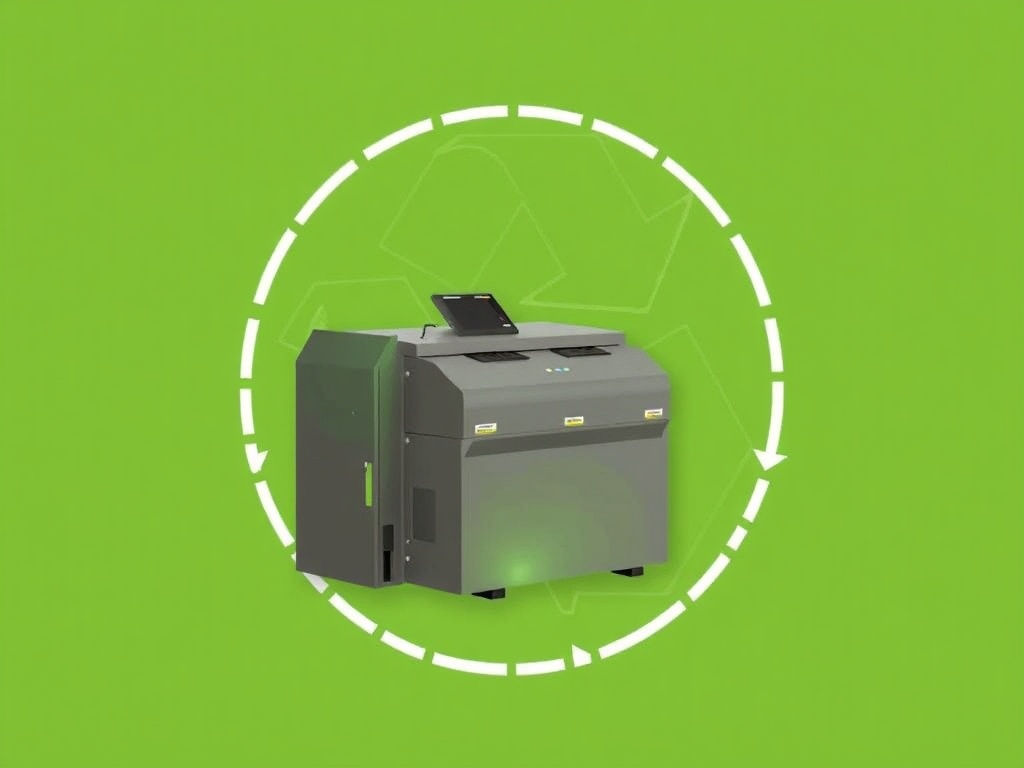
In a world grappling with mounting waste and overflowing landfills, the limitations of traditional recycling have become impossible to ignore. We’ve all stood at a recycling bin, unsure if that takeout container is actually recyclable. This confusion at the consumer level, combined with inefficiencies in sorting facilities, means that millions of tons of potential resources still end up incinerated or buried each year.
Enter MataRecycler, a groundbreaking approach to waste management that is shifting the paradigm from linear disposal to a truly circular economy. By harnessing the power of artificial intelligence, smart sensors, and user-centric design, MataRecycler isn’t just improving recycling rates—it’s transforming how businesses, communities, and individuals interact with waste.
Table of Contents
ToggleWhat is MataRecycler?
At its core, MataRecycler is a smart recycling ecosystem designed to make waste management more efficient, transparent, and effective. Unlike traditional systems that rely heavily on manual labor and outdated machinery, MataRecycler integrates advanced technology to streamline the entire recycling journey—from the moment an item is thrown away to its rebirth as a new material.
Whether deployed in a bustling city center, a corporate campus, or a manufacturing plant, the goal remains the same: to maximize resource recovery, minimize contamination, and lower the costs and environmental impact associated with waste.
The Technology: How MataRecycler Works
The magic of MataRecycler lies in its sophisticated, multi-layered approach to handling waste. It moves beyond simple collection to create an intelligent sorting and processing network.
-
AI-Driven Sorting and Identification: As waste enters a MataRecycler-equipped facility, advanced sensors and cameras scan each item. Powered by machine learning algorithms, the system can identify the specific material composition—differentiating between types of plastics, metals, paper, and organics with incredible accuracy. This reduces the human error and contamination that often plagues traditional recycling.
-
Data Analytics and Tracking: MataRecycler doesn’t just sort waste; it learns from it. The platform integrates real-time data analytics to monitor waste streams, track recycling efficiency, and identify trends. This data is invaluable for businesses and municipalities looking to optimize their programs and measure their environmental impact.
-
User-Friendly Interfaces: The technology extends to the user level through intuitive apps and dashboards. These tools provide instant feedback on recycling habits, educate users on proper disposal, and connect them with local recycling resources, turning a passive act into an engaging experience.
The Benefits: Why MataRecycler is a Game-Changer
The shift to MataRecycler technology offers a host of benefits that go far simply keeping waste out of landfills.
🌍 Enhanced Efficiency and Purity
By automating the sorting process with precision, MataRecycler drastically reduces contamination. This means that recyclable materials come out cleaner and of higher quality, making them more valuable and easier for manufacturers to reuse in new products.
💰 Significant Cost Savings
For businesses and local governments, waste disposal is a major operational expense. By improving sorting accuracy, MataRecycler lowers contamination fees, reduces the labor costs associated with manual sorting, and streamlines logistics. This transforms waste management from a cost center into a more efficient, value-retaining operation.
♻️ Boosting Sustainability and Reducing Carbon Footprint
MataRecycler directly supports a circular economy by ensuring more materials are actually recycled. This conserves natural resources, reduces the energy consumption required to produce virgin materials, and lowers greenhouse gas emissions by diverting waste from landfills.
📊 Data-Driven Decision Making
With access to detailed analytics, organizations can pinpoint exactly where their waste is coming from and what it consists of. This insight allows them to make targeted changes, such as working with suppliers to reduce packaging or adjusting procurement policies to favor more sustainable materials.
Real-World Impact: Success Stories in Action
The theoretical benefits of MataRecycler are being proven in the real world through tangible results. Communities and companies that have adopted this technology are seeing dramatic transformations.
In one notable example, a small town in Oregon implemented MataRecycler and witnessed a 40% increase in recycling rates within just six months. The community became more engaged, inspired by the clear feedback and visible results of their efforts.
Similarly, a mid-sized manufacturing plant integrated the technology into its operations and reported a 40% reduction in landfill contributions shortly after. The system’s ability to accurately sort complex industrial waste allowed them to recover materials that were previously destined for the dump, leading to significant cost savings and a boost in their sustainability profile.
Even on a community level, a local recycling program using MataRecycler’s user-friendly features achieved an unprecedented 60% diversion rate from landfills, showing how technology can empower individuals to make a bigger impact.
Engaging Communities for a Cleaner Future
One of the most powerful aspects of MataRecycler is its ability to bridge the gap between technology and human behavior. Traditional systems often fail because they ignore the human element. MataRecycler is designed with people in mind, offering clear guidance and simple solutions that make recycling correctly feel like second nature.
By fostering a sense of awareness and shared responsibility, it helps build a culture of sustainability within communities. Schools use it to teach students about environmental stewardship, and neighborhoods use it to collaborate on collective environmental goals.
The Future of Recycling
As global waste challenges continue to grow, so does the potential for solutions like MataRecycler. Future developments point toward even deeper integration of artificial intelligence to predict waste patterns and further optimize processing.
The vision is a globally connected network where recycling is not a confusing chore but a seamless, data-driven part of daily life. With its focus on scalability and adaptability, MataRecycler is poised to become a standard practice worldwide, leading the charge toward a truly sustainable future.
Conclusion
MataRecycler represents more than just a technological upgrade; it represents a fundamental shift in our relationship with waste. By making recycling smarter, more efficient, and more engaging, it offers a viable path out of the waste crisis.
For businesses looking to cut costs and boost their green credentials, and for communities striving to protect their local environment, MataRecycler provides the tools to turn intention into action. It’s a powerful reminder that with the right innovation, our trash can truly become a valuable resource for generations to come.
Frequently Asked Questions About MataRecycler
1. What exactly is MataRecycler?
MataRecycler is an advanced, technology-driven recycling ecosystem designed to improve the efficiency and accuracy of waste management. It utilizes a combination of Artificial Intelligence (AI), smart sensors, and data analytics to automatically sort recyclable materials, reduce contamination, and provide real-time feedback to users and operators.
2. How does MataRecycler differ from traditional recycling bins?
Traditional bins rely on the user to sort correctly (which often leads to mistakes) or on manual sorting at a facility. MataRecycler automates the sorting process using AI and sensors to identify materials with high precision. It also tracks data, allowing businesses and communities to monitor their recycling performance and make informed decisions.
3. Is MataRecycler suitable for home use, or is it just for businesses?
While the core technology is scalable, MataRecycler is currently most impactful in commercial settings, such as corporate campuses, manufacturing plants, apartment complexes, and municipal recycling centers.
However, designers create the principles and user-friendly apps to educate and guide individuals, no matter where they recycle.
4. Can MataRecycler handle contaminated items (like greasy pizza boxes)?
One of the primary benefits of MataRecycler’s AI is its ability to detect contamination. If the system finds an item too soiled to be recycled, it can flag it and divert it to the correct waste stream (e.g., landfill or composting). This prevents one bad item from ruining an entire batch of recyclables.
5. What types of materials can MataRecycler identify and sort?
The system trains to recognize a wide variety of materials, including different grades of plastic (PET, HDPE, PP, etc.), aluminum, steel, paper, cardboard, glass, and organics. Developers continuously update the machine learning models to recognize new packaging types as they enter the market.
6. How much does it cost to implement MataRecycler technology?
Pricing depends on scale, but ROI is realized via labor savings, lower fees, and revenue from premium recyclate.
7. Does MataRecycler require an internet connection to work?
For full functionality—including data syncing, software updates, and accessing the analytics dashboard—a stable internet connection is required. However, the core sorting mechanism can often operate locally even if cloud connectivity is temporarily interrupted. Storing data to upload once the connection is restored.
8. What happens to the data MataRecycler collects?
The data is aggregated and anonymized to provide insights into waste generation trends. For businesses, this data is used to improve sustainability reporting and operational efficiency. MataRecycler adheres to strict data privacy protocols to ensure that no personally identifiable information is compromised.
9. How does MataRecycler help with “Circular Economy” goals?
By producing cleaner, purer streams of recyclable materials. MataRecycler ensures that waste can be confidently fed back into the manufacturing supply chain to create new products. This closes the loop, reduces reliance on virgin raw materials, and lowers the overall carbon footprint of production.
10. Where can I see MataRecycler in action?
You can check the official MataRecycler website for case studies, pilot programs, and deployment locations. Many sustainability conferences and zero-waste events also feature the technology as a demonstration of next-generation waste solutions.