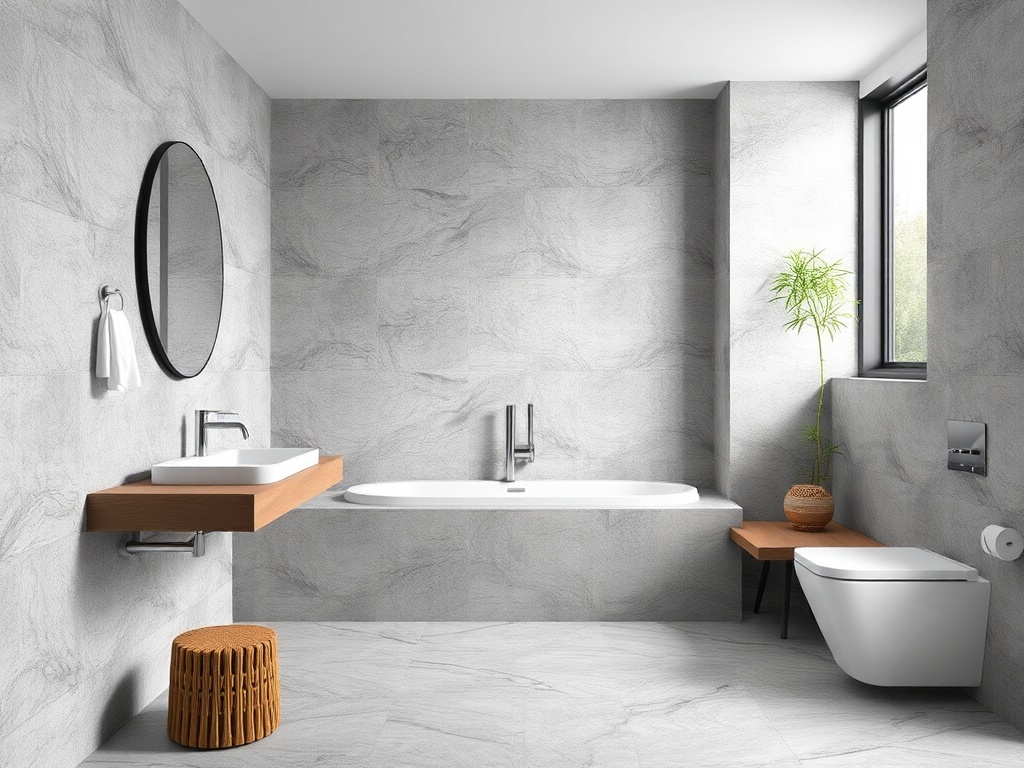
In an era where durability must coexist with design, and sustainability is no longer optional, the materials we choose for our spaces matter more than ever. Enter Sodiceram, a name that has rapidly become synonymous with innovation, quality, and environmental responsibility in the ceramic industry. Whether you’re an architect planning a large-scale commercial project, a designer seeking the perfect finish, or a homeowner looking to renovate, understanding what makes Sodiceram unique is essential.
This comprehensive guide explores everything about Sodiceram, from its advanced manufacturing processes and diverse applications to its commitment to a greener future.
Table of Contents
ToggleWhat is Sodiceram? Blending Tradition with Technology
Sodiceram represents a new breed of high-performance ceramic material that bridges the gap between age-old craftsmanship and cutting-edge technology . While its roots may be in traditional ceramic heritage—with a foundation in artisanal techniques passed down through generations—the brand has evolved into an industrial powerhouse that leverages modern innovation .
At its core, Sodiceram is more than just a tile; it is an engineered solution. It begins with responsibly sourced, high-grade natural minerals like clay, feldspar, and silica . These materials undergo a sophisticated production process that includes digital glazing, high-temperature firing (reaching up to 1200°C), and precision controls to ensure every piece meets exacting standards for strength, density, and aesthetic accuracy . The result is a product that doesn’t just look beautiful but performs exceptionally in both residential and industrial contexts.
What Sets Sodiceram Apart? Key Features and Benefits
Choosing Sodiceram means investing in a material that offers a host of advantages over traditional ceramics. Its unique composition and production methods result in a product that stands out in a crowded market.
Unmatched Durability and Longevity
Sodiceram is engineered to withstand the test of time. Its high-density surface is exceptionally resistant to scratches, chips, stains, and the wear and tear of heavy foot traffic . While traditional ceramics may last 10-15 years, Sodiceram products are designed to maintain their structural integrity and visual appeal for over 20 years, making them a cost-effective, long-term investment .
Superior Performance in All Conditions
This material is built to handle extremes. It exhibits excellent resistance to both high and low temperatures without cracking or distorting, making it suitable for applications ranging from kitchen countertops to industrial settings . Its non-porous nature provides outstanding water and moisture resistance, which is why it is a perfect choice for bathrooms, kitchens, and outdoor installations .
Aesthetic Versatility
Thanks to advanced digital printing technology, Sodiceram can authentically replicate the look of natural materials like marble, wood, stone, and even concrete with stunning realism . Available in a vast array of colors, patterns, textures, and finishes—from glossy to matte—it offers endless design possibilities to complement any interior style, from minimalist to eclectic .
Eco-Friendly and Sustainable
Sustainability is not an afterthought for Sodiceram; it is a core principle of its production philosophy. The company prioritizes eco-friendly practices, including the use of recycled materials, closed-loop water systems, and energy-efficient kilns that significantly reduce carbon emissions . Choosing Sodiceram means you are supporting a circular economy and reducing your environmental footprint.
Low Maintenance and Hygienic
The non-porous surface of Sodiceram prevents dirt, grime, and bacteria from adhering, making it incredibly easy to clean. A simple wipe with a pH-neutral cleaner is usually enough to keep it looking pristine . This feature, combined with its resistance to mold and stains, makes it a highly hygienic option for healthcare facilities, kitchens, and homes with children .
Here is a quick comparison to illustrate how Sodiceram stacks up against traditional ceramics:
| Feature | Sodiceram | Traditional Ceramic |
|---|---|---|
| Durability | Very High (Scratch & Chip Resistant) | Moderate |
| Water Resistance | Excellent (Non-porous) | Good |
| Lifespan | 20+ years | 10-15 years |
| Design Variety | Extensive (Digital printing, realistic textures) | Limited |
| Sustainability | High (Eco-friendly manufacturing, recycled materials) | Variable |
| Maintenance | Easy (Low adhesion surface) | Moderate |
Diverse Applications Across Multiple Industries
The versatility of Sodiceram allows it to excel in a wide range of settings, proving that high-performance ceramics are not limited to just one use case .
-
Residential: Transform your home with durable and stylish solutions. Use it for flooring in high-traffic areas, stunning kitchen backsplashes, elegant bathroom walls and floors, and heat-resistant countertops . Its thermal properties also help keep rooms cool in summer and warm in winter .
-
Commercial: In offices, hotels, restaurants, and retail stores, Sodiceram provides the perfect balance of elegance and durability. It can withstand the demands of busy environments while creating a sophisticated atmosphere that enhances the customer and employee experience .
-
Industrial: Beyond aesthetics, Sodiceram is valued for its technical properties. It is used in the automotive industry for components requiring high heat resistance, in healthcare for its antimicrobial and easy-to-clean surfaces, and in the energy sector for thermal barriers .
-
Outdoor Spaces: Thanks to its weather resistance and durability, Sodiceram is ideal for patios, pool areas, garden pathways, and exterior wall cladding, creating a seamless transition between indoor and outdoor living .
Innovation and the Future of Ceramics
Sodiceram is not resting on its laurels. The company is deeply invested in research and development to push the boundaries of what ceramics can do. The future of Sodiceram lies in smart ceramics—materials that can actively interact with their environment . This includes developing surfaces with:
-
Self-cleaning properties
-
Antibacterial coatings for enhanced hygiene
-
Embedded sensors for temperature control or interactive features
-
Integrated heating systems within tiles
By embracing technologies like 3D printing and collaborating with top-tier architects and designers, Sodiceram is poised to remain at the forefront of the global ceramic market, which is valued at over $70 billion .
Conclusion: Embrace a Greener, More Beautiful Future with Sodiceram
Sodiceram is more than just a building material; it is a statement about quality, responsibility, and forward-thinking design. By seamlessly integrating sustainability with advanced technology and timeless aesthetics, it offers a superior alternative to traditional ceramics.
Whether you are looking to build your dream home, renovate a commercial space, or specify materials for a large-scale industrial project, Sodiceram provides reliable, stylish, and long-lasting solutions. Investing in Sodiceram is an investment in durability, beauty, and the well-being of our planet. It’s time to embrace the future of ceramics.
Sodiceram: Frequently Asked Questions (FAQs)
To help you make an informed decision, we’ve compiled answers to the most common questions about Sodiceram, covering everything from selection and installation to care and sustainability.
1. Selection and Identification
Q: How do I choose the right Sodiceram tile for my specific project (e.g., a bathroom vs. a kitchen)?
A: The best choice depends on the specific demands of the space.
-
For Bathrooms (Floors & Walls): Prioritize water resistance and slip resistance. Look for Sodiceram tiles with a high coefficient of friction (COF) or a textured/matte finish to prevent slipping when wet. Porcelain options from Sodiceram are ideal due to their low water absorption rate (<0.5%).
-
For Kitchens (Countertops & Backsplashes): Prioritize durability, stain resistance, and ease of cleaning. Choose a polished or glossy Sodiceram tile for backsplashes because it wipes clean easily. For countertops, select tiles rated for heavy use that resist acids (like lemon juice) and heat.
For High-Traffic Areas (Hallways, Living Rooms): Focus on durability by checking the PEI rating. Opt for Sodiceram tiles with a high PEI (Porcelain Enamel Institute) rating, ideally Class IV or V, designed to withstand heavy foot traffic and resist scratching.
For Outdoor Spaces (Patios, Pool Decks): Select tiles specifically rated for exterior use. These Sodiceram products are frost-proof and feature a textured surface for maximum slip resistance, even when wet.
Q: How can I verify that a tile is authentic Sodiceram?
A: To ensure you are getting a genuine, high-quality Sodiceram product, look for the following:
-
Official Branding and Packaging: Check the boxes for the official Sodiceram logo and product codes.
-
Batch Numbers: Ensure all tiles come from the same production batch number (printed on the box) to guarantee color consistency.
-
Certifications: Reputable suppliers will provide documentation of Sodiceram’s quality and sustainability certifications (e.g., ISO standards, environmental product declarations).
-
Authorized Retailers: Purchase from Sodiceram’s official website or a network of authorized dealers and distributors. This is the most reliable way to guarantee authenticity and warranty coverage.
2. Installation and Practicality
Q: Can I install Sodiceram tiles myself, or do I need a professional?
A: While Sodiceram tiles are user-friendly, professional installation is highly recommended for the best results.
-
Challenges: Ceramic and porcelain tiles require precise cutting, especially around corners and fixtures. Achieving a perfectly level surface and consistent grout lines demands experience. Large-format Sodiceram tiles, in particular, can be heavy and awkward to handle alone and may require special leveling systems.
-
Professional Benefit: A certified installer will ensure the substrate is properly prepared, the correct adhesives and grout are used, and the installation meets warranty requirements, preventing issues like lippage or cracking down the line.
Q: Is Sodiceram compatible with underfloor heating systems?
A: Yes, absolutely. Sodiceram is an excellent conductor of heat, making it one of the best flooring choices to pair with underfloor heating (UFH). The tile absorbs heat from the UFH system and radiates it evenly across the surface, providing efficient and comfortable warmth. Always inform your installer that you have UFH so they can use the appropriate flexible adhesives and grout designed to accommodate thermal expansion.
Q: What type of grout and adhesive should I use with Sodiceram tiles?
A: The choice depends on the tile and the application.
-
Adhesive: For floors and wet areas (like showers), use a polymer-modified, flexible thin-set mortar. This provides a strong bond and can handle minor substrate movement and thermal expansion.
-
Grout: For standard applications, a high-quality cementitious grout works well. For areas prone to moisture or staining (like kitchen backsplashes or bathroom floors), an epoxy grout is recommended. It is stain-proof, waterproof, and does not need sealing, ensuring a long-lasting, hygienic finish.
3. Maintenance and Long-Term Care
Q: How do I clean Sodiceram tiles daily, and what products should I avoid?
A: Daily cleaning is simple. Sweep, dust-mop, or vacuum regularly to remove abrasive grit and dirt. For damp mopping, use a mixture of warm water and a few drops of a pH-neutral cleaner specifically designed for ceramic or stone tiles.
-
AVOID: Harsh chemicals like bleach, ammonia, or vinegar-based cleaners, as these can damage the grout and dull the finish of the tile over time. Also, avoid using abrasive scouring pads or steel wool.
Q: Is sealing required for Sodiceram tiles or grout?
A:
-
The Tile Itself: Generally, no. Sodiceram’s high-quality glazed and porcelain tiles are non-porous and do not require sealing.
-
The Grout: Yes, often. Standard cementitious grout is porous and should be sealed after installation and periodically thereafter (every 1-2 years) to prevent staining and moisture absorption. If you use an epoxy grout, sealing is not necessary.
Q: What should I do if a Sodiceram tile gets chipped or cracked?
A:
-
Minor Chips: For small chips on a glazed tile, you can sometimes use a color-matched repair kit or epoxy filler designed for ceramics.
-
Major Damage (Cracks/Breaks): If a tile is cracked, the best long-term solution is to replace it.
-
Retain Spares: This is why it’s crucial to keep a few spare tiles from your original installation in storage.
-
Professional Removal: A professional will carefully remove the grout around the damaged tile and break it out without harming the surrounding tiles.
-
Replacement: The new tile is set with fresh adhesive and regrouted. Color matching is guaranteed if you kept spares from the original batch.
-
4. Purchasing and Sustainability
Q: What is the typical price range for Sodiceram compared to standard ceramics?
A: Sodiceram is positioned as a premium product.
-
Cost: It will generally have a higher upfront cost than basic ceramic tiles. However, this price reflects its superior durability, advanced manufacturing, sustainable practices, and high-definition designs.
-
Value: When viewed as a long-term investment, Sodiceram often proves more economical. Its lifespan of 20+ years (versus 10-15 for standard ceramics) means you will avoid the cost and hassle of replacing flooring much sooner. You are paying for longevity and performance.
Q: Can you elaborate on Sodiceram’s “eco-friendly” manufacturing claims?
A: Sodiceram’s commitment to sustainability is multifaceted:
-
Recycled Content: They incorporate pre- and post-industrial recycled materials (like scrap tiles and glass) into their new products, reducing the demand for virgin raw materials.
-
Energy Efficiency: Their state-of-the-art kilns are designed for maximum energy efficiency, reducing overall carbon emissions. Many facilities utilize cogeneration plants to produce their own electricity and thermal energy.
-
Water Stewardship: Sodiceram factories often operate closed-loop water systems, meaning water used in production is treated and reused repeatedly, minimizing waste.
-
Emission Control: They employ advanced filtration systems to capture dust and purify air released during manufacturing, protecting the local environment.
Quick Decision-Making Guide
To help you quickly determine if Sodiceram fits your needs, here is a simple checklist:
Choose Sodiceram if you:
-
Want a floor or surface that will last for 20+ years.
-
Are looking for a sustainable and eco-conscious building material.
-
Need a low-maintenance, hygienic surface (especially for kitchens/baths).
-
Desire a high-end, realistic look (wood, stone, marble) without the upkeep of natural materials.
-
Are installing underfloor heating.
Consider an alternative (like vinyl or basic ceramic) if you:
-
Have a very strict, minimal budget with no room for long-term investment.
-
Are looking for a soft, warm surface underfoot (though Sodiceram works well with UFH).
-
Are planning a temporary renovation where longevity is not a priority.