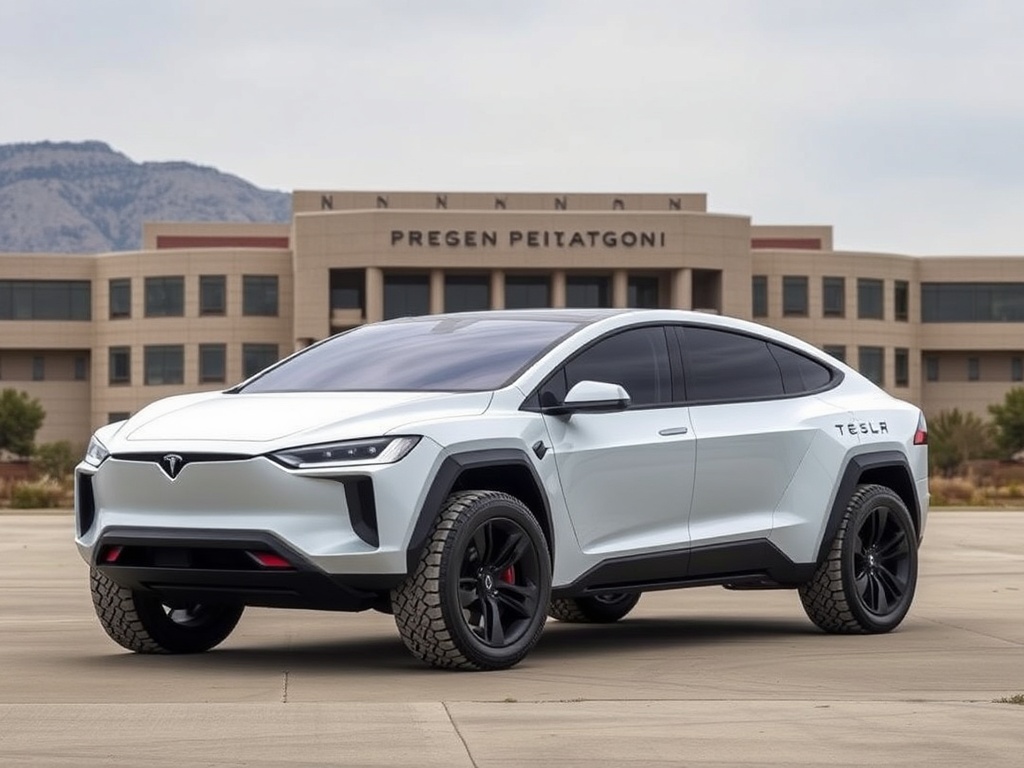
Pentagon Big Tech Tesla Cybertruck: The intersection of technology and defense has never been more prominent, especially as the Pentagon explores partnerships with major tech companies to innovate its operations. Tesla, with its groundbreaking developments, is poised to play a critical role in this evolution, especially with the launch of the highly anticipated Cybertruck.
The Pentagon’s Interest in Big Tech
In recent years, the Pentagon has recognized the potential of integrating advanced technologies into its operations. From artificial intelligence (AI) to autonomous vehicles, the military seeks to leverage innovations to enhance efficiency and effectiveness. Big Tech companies like Google, Microsoft, and Amazon have already made strides in this domain. However, Tesla, known primarily for its electric vehicles, is emerging as a unique player, particularly with its Cybertruck.
The Cybertruck: More than Just a Pickup
Design and Features
The Tesla Cybertruck’s futuristic design, characterized by its angular shape and stainless-steel frame, has sparked discussions across various sectors. Unlike traditional vehicles, the Cybertruck is built for versatility, with options for high payload capacities and off-road capabilities. Its electric drivetrain allows for reduced operational costs, making it an appealing option for defense applications.
Autonomous Capabilities
One of the most significant aspects of the Cybertruck is its potential for autonomy. With Tesla’s advanced AI-driven autopilot technology, the Cybertruck can be equipped for various military tasks, from supply delivery to reconnaissance missions. The ability to operate without direct human control can enhance operational safety and efficiency, allowing for missions in high-risk areas without endangering personnel.
Synergies between Tesla and the Pentagon
Logistics and Supply Chain
The Cybertruck’s robust design and electric capabilities make it an ideal candidate for logistics tasks within military operations. Its ability to transport supplies efficiently can streamline the supply chain, especially in remote or challenging terrains.
Sustainability and Environmental Considerations
The Pentagon has made commitments to reducing its carbon footprint, and opting for electric vehicles aligns with this initiative. The Cybertruck presents a sustainable alternative to traditional military vehicles, paving the way for more environmentally responsible operations.
Challenges Ahead
While the partnership between the Pentagon and Tesla shows promise, several challenges must be addressed:
- Regulatory Hurdles: Military applications require rigorous testing and adherence to safety standards, which may slow down the integration of new technologies like the Cybertruck.
- Cost Considerations: The initial investment for transitioning to electric vehicles is significant. The Pentagon will need to weigh long-term savings against upfront costs.
- Technological Reliability: Military operations demand high reliability. Ensuring that the Cybertruck can perform under extreme conditions will be critical.
Conclusion: Pentagon Big Tech Tesla Cybertruck
The collaboration between the Pentagon and big tech firms, particularly Tesla, signifies a transformative shift in military operations. The Cybertruck’s innovative design, autonomous capabilities, and sustainability make it a prime candidate for future defense applications. As the Pentagon continues to explore modern technologies, collaborations with forward-thinking companies like Tesla could redefine the landscape of military logistics and operations.
By embracing electric and autonomous vehicles, the future of defense not only looks more efficient but also more environmentally conscious. The Cybertruck could well be the catalyst that propels these changes forward.
FAQs: Pentagon Big Tech Tesla Cybertruck
1. What is the role of the Pentagon in relation to Big Tech?
The Pentagon is actively exploring partnerships with major tech companies to incorporate advanced technologies, such as artificial intelligence, autonomous vehicles, and data analysis, into its operations to enhance military effectiveness and efficiency.
2. How can the Tesla Cybertruck contribute to military operations?
The Tesla Cybertruck can enhance military logistics through its robust design, high payload capacity, and off-road capabilities. Its electric drivetrain also offers reduced operational costs, promoting sustainability within military operations.
3. What are the key features of the Tesla Cybertruck that make it suitable for the military?
Key features of the Cybertruck include:
- Futuristic Design: Its angular shape and stainless-steel frame provide durability.
- Versatility: It can handle various payloads and terrain types.
- Autonomous Technology: Equipped with AI-driven autopilot capabilities for missions that require remote control or delivery.
4. What are the environmental benefits of using the Cybertruck in military operations?
By utilizing electric vehicles like the Cybertruck, the Pentagon can significantly reduce its carbon footprint, contributing to environmentally responsible operations and aligning with sustainability goals.
5. What challenges does the Pentagon face in adopting the Cybertruck?
The Pentagon faces several challenges in adopting the Cybertruck, including:
- Regulatory Hurdles: Ensuring compliance with military safety and testing standards.
- Cost Considerations: The need to balance initial investments against long-term savings.
- Technological Reliability: Ensuring that the vehicle can withstand extreme conditions typically encountered in military operations.
6. What advancements have been made in military technology through partnerships with Big Tech?
Partnerships with Big Tech have led to advancements in AI, cybersecurity, drone technology, and enhanced logistics systems, contributing to more efficient military operations and improved strategic planning.
7. How does the Cybertruck compare to traditional military vehicles?
The Cybertruck offers advantages over traditional military vehicles, including:
- Lower Operating Costs: Electric vehicles generally have lower maintenance and fuel costs.
- Enhanced Sustainability: Electric vehicles produce zero emissions during operation.
- Advanced Technology Integration: The potential for autonomous capabilities and connectivity features.
8. Will the Cybertruck be used for frontline combat roles?
While the Cybertruck may not be designed for direct combat, it can play critical supporting roles such as logistics, reconnaissance, and supply delivery in various military operations.
9. What is the timeline for integrating the Cybertruck into military operations?
The timeline for integration is uncertain and depends on several factors, including regulatory approvals, testing outcomes, and budget allocations. The process could take several years, from initial trials to full operational deployment.
10. Where can I find more information about the Pentagon’s technology initiatives?
More information can be found on official Pentagon and Department of Defense websites, as well as publications and reports discussing military technology advancements and partnerships with private sectors. Additionally, niche tech and defense news platforms regularly cover updates on these initiatives.