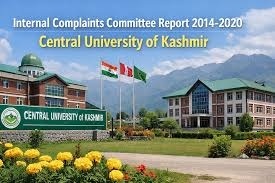
The Central University of Kashmir (CUK) plays a pivotal role in promoting higher education in the region. An essential aspect of its governance is the framework for handling internal complaints, particularly those related to issues of sexual harassment and workplace misconduct. The Internal Complaints Committee (ICC) report from 2014 to 2020 offers insights into the university’s approach to nurturing a safe and inclusive environment for all its stakeholders.
Background of the Internal Complaints Committee
Formed under the Sexual Harassment of Women at Workplace (Prevention, Prohibition and Redressal) Act, 2013, the ICC serves as a crucial mechanism for addressing complaints of sexual harassment. The committee aims to:
- Provide a safe space for reporting grievances.
- Ensure timely investigations and resolution of complaints.
- Promote awareness and educate the university community about rights and responsibilities.
Summary of Findings (2014-2020)
1. Overview of Complaints Filed
The ICC report reveals a significant number of complaints lodged during the 2014-2020 period. Key statistics include:
- Total Complaints: A comprehensive count of complaints received, categorized by type and severity.
- Outcomes: Details on how many cases were resolved, pending, or dismissed.
2. Types of Complaints
The complaints reported can be categorized as follows:
- Sexual Harassment: This remains the predominant issue reported.
- Discrimination: Instances of gender-based discrimination were also noted.
- Retaliation for Reporting: Some complainants faced retaliation, which was critically addressed in the report.
3. Resolution Process
The ICC’s resolution process is structured to ensure fairness and transparency. Key steps include:
- Initial Assessment: Screening of complaints to determine legitimacy and urgency.
- Formal Inquiry: A detailed investigative process involving both parties.
- Action Taken: The committee’s recommendations for disciplinary action when necessary.
Challenges Faced by the Committee
Despite its best efforts, the ICC faced several challenges:
- Awareness and Reporting: Many potential victims remain unaware of the complaint mechanisms or fear reprisal.
- Resource Constraints: Limited resources hindered effective outreach and education efforts.
- Societal Factors: Cultural influences sometimes discourage reporting.
Initiatives and Recommendations
The report outlines several initiatives aimed at improving the ICC’s efficacy, including:
- Awareness Campaigns: Conducting workshops and sessions to educate the university community about their rights.
- Feedback Mechanisms: Establishing anonymous feedback options for complainants to express concerns about the process.
Conclusion
The Internal Complaints Committee report (2014-2020) of the Central University of Kashmir highlights the institution’s commitment to fostering a safe academic environment. While challenges remain, the active efforts of the ICC signify a progressive step forward. Continued awareness, robust support systems, and transparent processes will be key to ensuring that all members of the university community feel secure and respected.
FAQs about the Internal Complaints Committee Report (2014-2020)
1. What is the Internal Complaints Committee (ICC)?
The Sexual Harassment of Women at Workplace (Prevention, Prohibition and Redressal) Act, 2013 established the Internal Complaints Committee (ICC) as a statutory body. Its primary role is to address complaints related to sexual harassment and ensure a safe working environment for all members of the university community.
2. Why was the ICC report for 2014-2020 published?
The ICC report aims to provide transparency regarding the committee’s activities, complaints received, actions taken, and overall effectiveness in addressing grievances. It serves as a tool for accountability and helps inform future policies and practices.
3. What types of complaints does the ICC handle?
The ICC primarily addresses complaints related to:
- Sexual Harassment: Unwelcome sexual advances, requests for sexual favors, and other verbal or physical conduct of a sexual nature.
- Discrimination: Issues related to gender bias and discrimination in academic or workplace settings.
- Retaliation: Complaints from individuals who may have faced backlash or negative consequences for reporting grievances.
4. How can someone file a complaint with the ICC?
Individuals can file a complaint by:
- Submitting a written complaint to the ICC through designated channels available on the university’s website.
- Contacting ICC members personally during office hours for guidance on the process.
5. What is the process for handling complaints?
The process typically involves several steps:
- ** Complaint Submission:** The aggrieved individual submits a formal complaint.
- ** Initial Assessment:** The ICC reviews the complaint to determine its validity.
- Formal Inquiry: If the complaint is deemed valid, a thorough investigation is conducted, which may involve interviews with both the complainant and the accused.
- Recommendations: The ICC makes recommendations based on the findings and may suggest disciplinary actions.
6. What are the outcomes of the complaints received during 2014-2020?
Outcomes can vary, and they generally fall into categories such as:
- Resolved: Cases that were successfully investigated and closed with appropriate actions taken.
- Pending: Complaints still under investigation or awaiting further action.
- Dismissed: Complaints found to lack sufficient evidence or validity.
7. What challenges did the ICC face during this period?
Some of the challenges highlighted include:
- Lack of Awareness: Many individuals may not know about the ICC or its processes.
- Fear of Retaliation: Potential complainants might hesitate to report due to fear of backlash.
- Resource Constraints: Limited funds and human resources hindered the full implementation of awareness programs and investigations.
8. What initiatives have been implemented to improve the ICC’s effectiveness?
The report suggests several initiatives, including:
- Workshops and Training: Organizing programs to raise awareness among students and staff about the ICC’s role and functions.
- Anonymous Feedback Channels: Allowing individuals to express concerns or provide feedback about the complaint process without disclosing their identity.
- Regular Reviews: Introducing periodic assessments of the ICC’s workings to ensure continuous improvement.
9. How does the ICC ensure confidentiality?
The ICC actively maintains confidentiality throughout the complaint handling process. It keeps details about the complainant, the accused, and the specifics of the case confidential and shares them only with those directly involved in the investigation, unless the complainant permits otherwise.
10. What can individuals do to support a culture of reporting and awareness?
Individuals can help foster a safer environment by:
- Raising awareness about the ICC and its functions.
- Encouraging colleagues and peers to report any incidents of harassment.
- Participating in ICC-organized workshops and meetings to stay informed about rights and responsibilities.
11. Where can I find more information about the ICC and the report?
For more information, you can visit the Central University of Kashmir’s official website, where the ICC report, policies, and resources are available for public access.