Ladybugs, also known as ladybird beetles, are among the most cherished insects due to their vibrant colors and beneficial role in gardens and agriculture. Often regarded as a symbol of good luck, these tiny beetles play a crucial role in maintaining ecological balance. Understanding their diet is essential for anyone interested in horticulture or simply trying to attract these lovely creatures to their gardens. This article will delve into what ladybugs eat, their feeding habits, and frequently asked questions about these fascinating insects.
Ladybug Diet Overview
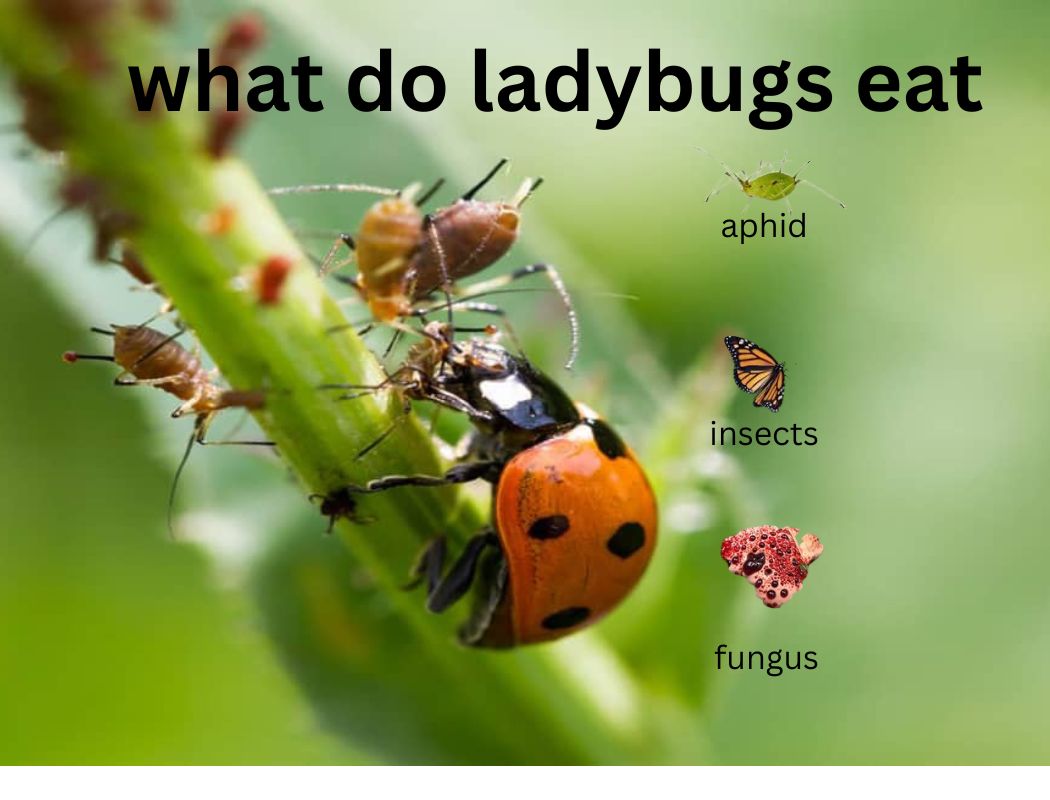
Ladybugs are predominantly carnivorous, with a strong preference for aphids, which are small sap-sucking insects that can wreak havoc on plants. However, their diet extends beyond just aphids. Here’s a closer look at what they eat:
1. Aphids
Aphids are the primary food source for most ladybug species. Adult ladybugs can consume up to 50 aphids in a single day. Their appetite for these pests makes them invaluable helpers in gardens.
2. Other Soft-bodied Insects
In addition to aphids, ladybugs also consume other soft-bodied insects, such as:
- Scale insects: These are small and often found on plant stems and leaves.
- Mealybugs: Similar to scale insects, mealybugs are another target for ladybugs.
- Spider mites: These tiny arachnids can also be on the menu for ladybugs.
3. Pollen and Nectar
While ladybugs primarily feed on insects, they also supplement their diet with pollen and nectar. This is especially true when aphid populations are low. Pollen provides essential proteins, while nectar offers carbohydrates.
4. Fungi and Algae
Some ladybug species have been observed consuming fungi and algae, particularly in the larval stage. This behavior helps diversify their diet and ensures they receive the necessary nutrients for growth.
5. Plant Leaves
Occasionally, ladybugs may feed on plant leaves as a last resort. However, this is not typical and often occurs when other food sources are scarce.
Importance of Ladybugs in Ecosystems
Ladybugs play a vital role in controlling pest populations in gardens and agricultural settings. By naturally reducing the number of harmful insects like aphids, they help maintain healthy plants without the need for chemical pesticides. Additionally, their consumption of pollen contributes to the pollination of various plants.
Tips for Attracting Ladybugs to Your Garden
If you want to enjoy the benefits of ladybugs in your garden, consider the following tips:
- Diverse Plant Selection: Incorporate a variety of flowering plants that provide nectar and pollen.
- Provide Shelter: Create habitats using plants like dill, fennel, and yarrow, which can offer shelter for ladybugs.
- Avoid Pesticides: Minimize or eliminate the use of pesticides that could harm ladybugs and other beneficial insects.
- Regularly Monitor: Keep an eye on aphid populations and introduce ladybugs if necessary.
Conclusion
Ladybugs are not only beautiful and harmless creatures but also essential allies in maintaining healthy ecosystems. By understanding what they eat and how to attract them, you can foster a balanced and productive garden. Engaging with ladybugs helps promote natural pest control, ultimately leading to healthier plants and a more vibrant outdoor space.
Frequently Asked Questions (FAQs)
-
Do ladybugs really eat only aphids?
- While aphids are their primary food source, ladybugs also eat other soft-bodied insects like mealybugs, spider mites, and scale insects.
-
How many aphids can a ladybug eat in a day?
- An adult ladybug can eat up to 50 aphids per day, making them highly effective at controlling aphid populations.
-
Can ladybugs harm plants?
- No, ladybugs do not harm plants. They primarily feed on pests, making them beneficial for gardens.
-
What happens to ladybugs in winter?
- As temperatures drop, ladybugs enter a state of dormancy and seek shelter in protected areas, often hibernating in large groups.
-
Are ladybugs harmful to humans?
- Ladybugs are not harmful to humans. While some species may bite if threatened, their bite is not dangerous.
-
How do I attract ladybugs to my garden?
- To attract ladybugs, plant nectar-rich flowers, avoid using pesticides, and create habitats using plants like yarrow and fennel.
-
Do ladybugs have any natural predators?
- Yes, natural predators of ladybugs include birds, spiders, and parasitic wasps.
-
Can ladybugs be kept as pets?
- While it’s possible to keep ladybugs temporarily, they are not typical pets and require specific conditions to survive.
-
What do ladybug larvae eat?
- Ladybug larvae are also carnivorous and primarily feed on aphids and other soft-bodied insects.
-
How long do ladybugs live?
- The lifespan of a ladybug varies by species but can range from several months to a few years under optimal conditions.